1 de julho de 2026
10 min de leitura
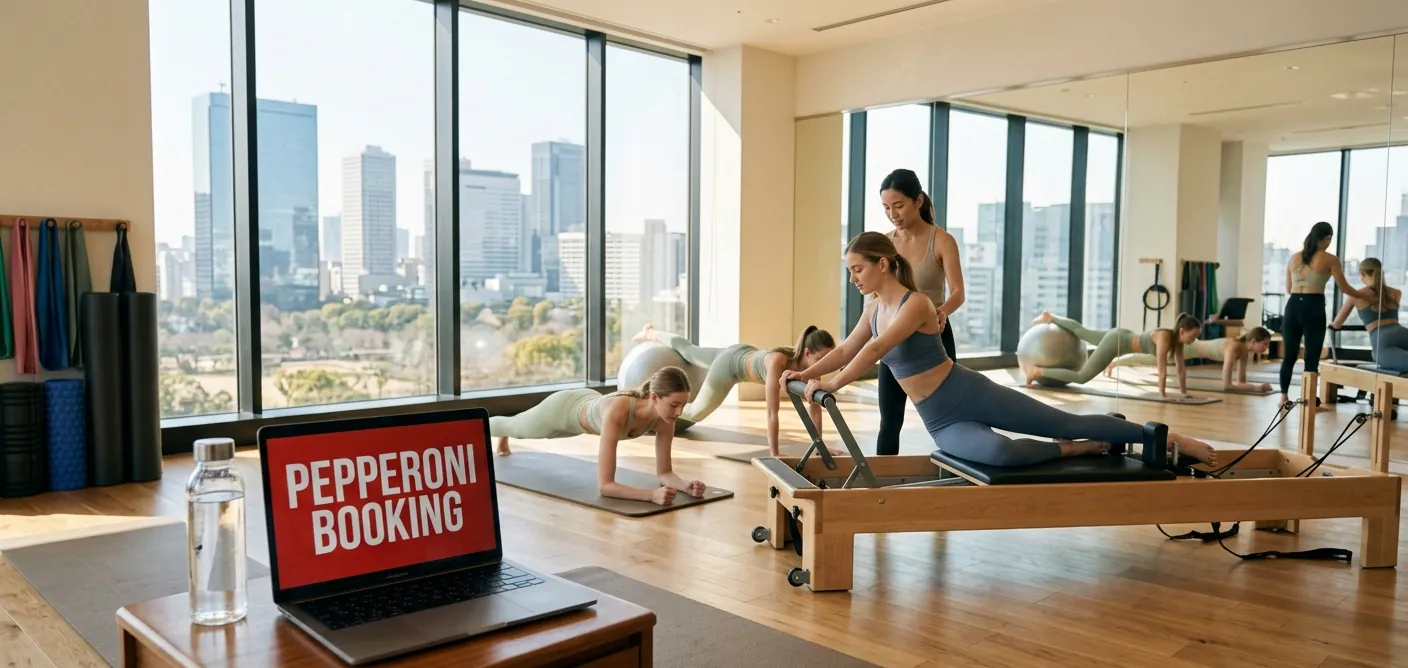
A indústria do Pilates evoluiu dramaticamente desde 2020. Estúdios que se apegam a modelos de precificação desatualizados correm o risco de estagnação — ou pior, fechamento. Em 2026, as expectativas dos clientes mudaram em direção à flexibilidade, personalização e experiências baseadas em valor. Isso significa que sua estratégia de precificação deve fazer mais do que cobrir custos; ela deve alinhar-se aos comportamentos modernos dos clientes e aos objetivos de lucratividade do estúdio.
Precificar não se trata apenas de números. Trata-se de posicionar seu estúdio em um mercado competitivo, garantindo receita sustentável. Um modelo de precificação bem estruturado pode aumentar o valor vitalício do cliente, reduzir a rotatividade e até atrair instrutores de maior qualidade. A chave? Decisões baseadas em dados que equilibram acessibilidade e lucratividade.
Por exemplo, um estúdio de balé em Tóquio viu um aumento de 30% na receita após reestruturar seus níveis de precificação para incluir assinaturas híbridas. Essa mudança não apenas aumentou a renda — também melhorou a retenção de clientes ao oferecer flexibilidade para agendas ocupadas.
Antes de fazer alterações, você precisa de uma visão clara da saúde financeira do seu estúdio. Comece com uma auditoria de precificação para identificar lacunas e oportunidades. Veja como:
Dica
Use o sistema de reservas do seu estúdio para extrair relatórios sobre frequência nas aulas, taxas de ausência e padrões de gastos dos clientes. Esses dados são críticos para tomar decisões informadas sobre precificação.Depois de reunir esses dados, pergunte: Meus preços atuais são sustentáveis? Se não forem, é hora de explorar modelos alternativos.
A precificação comunica valor. Um estúdio que cobra R$ 125 por aula se posiciona de forma diferente de um que cobra R$ 225. A diferença não está apenas no preço — está na qualidade percebida, na expertise do instrutor e na experiência do cliente.
Por exemplo, estúdios premium geralmente justificam tarifas mais altas com:
Por outro lado, estúdios com preços acessíveis atraem clientes com:
Nenhuma abordagem é inerentemente melhor. A estratégia certa depende dos objetivos do seu estúdio, localização e público-alvo. A chave é a consistência — sua precificação deve refletir a experiência que você oferece.
Os estúdios de maior sucesso em 2026 usam uma combinação de modelos de precificação para atender às diferentes necessidades dos clientes. Aqui estão cinco estratégias a considerar:
Assinaturas em níveis criam receita previsível enquanto oferecem flexibilidade aos clientes. Estruture os níveis com base em níveis de acesso, como:
Esse modelo funciona porque:
Um estúdio de balé implementou assinaturas em níveis e viu um aumento de 22% no gasto médio por cliente. A chave? Oferecer uma opção de nível intermediário que equilibrasse acessibilidade com benefícios premium.
A precificação dinâmica ajusta as tarifas com base na demanda. Por exemplo:
Essa estratégia maximiza a receita em horários de alta demanda, enquanto preenche os horários mais vazios. Muitos estúdios usam software de gestão para estúdios de Pilates para automatizar a precificação dinâmica com base em dados históricos de frequência.
Pacotes de aulas incentivam compras antecipadas enquanto criam urgência. Por exemplo:
Datas de validade reduzem o risco de clientes acumularem aulas indefinidamente. Elas também criam uma oportunidade natural para reengajar clientes antes que o pacote expire.
Sessões privadas são uma oferta de alta margem, mas os clientes muitas vezes hesitam devido ao custo. Pacotes tornam-nas mais acessíveis enquanto aumentam a receita. Por exemplo:
Pacotes funcionam porque:
Assinaturas híbridas atendem a clientes que buscam flexibilidade. Por exemplo:
Esse modelo aproveita a crescente demanda por opções virtuais, mantendo a receita presencial. É particularmente eficaz para estúdios em áreas urbanas, onde os clientes viajam com frequência.
Aumentar os preços pode parecer arriscado, mas com a abordagem certa, é possível minimizar resistências. Veja como:
Os clientes são mais propensos a aceitar aumentos de preço se entenderem o valor agregado. Por exemplo:
Recompense a fidelidade oferecendo aos clientes atuais a manutenção de sua tarifa atual por um período limitado. Por exemplo:
Isso dá tempo aos clientes para se ajustarem, demonstrando apreço pelo compromisso deles.
Em vez de um aumento repentino de preço, implemente as mudanças em etapas. Por exemplo:
Se os clientes resistirem à nova precificação, ofereça alternativas como:
Isso demonstra flexibilidade e ajuda a reter clientes que, de outra forma, poderiam deixar o estúdio.
Utilize dados de frequência e receita para explicar a necessidade de ajustes de preço. Por exemplo:
A transparência constrói confiança e reduz resistências.
A precificação é apenas uma parte do quebra-cabeça da lucratividade. Diversificar seus fluxos de receita pode estabilizar a renda e atrair novos clientes. Aqui estão três estratégias a considerar:
Workshops são uma oferta de alta margem que pode atrair novos clientes enquanto aprofunda o engajamento com os existentes. Exemplos incluem:
Workshops funcionam porque:
Como Realizar Workshops de Pilates de Alta Lucratividade oferece um guia passo a passo para planejar e precificar workshops visando a máxima lucratividade.
As vendas de varejo são uma forma de baixo esforço para aumentar a receita. Estoque itens que estejam alinhados com a marca do seu estúdio, como:
O varejo funciona porque:
Parcerias corporativas trazem receita constante enquanto expandem seu alcance. Exemplos incluem:
Parcerias corporativas funcionam porque:
O Guia 2026 para Pilates Corporativo explora mais a fundo como estruturar e apresentar parcerias corporativas.
A tecnologia é um divisor de águas para a otimização de precificação. Veja como aproveitá-la:
O software de agendamento para estúdios de Pilates moderno fornece insights sobre o comportamento dos clientes, como:
Use esses dados para ajustar a precificação dinamicamente. Por exemplo, se as aulas do meio-dia estiverem subutilizadas, ofereça descontos para preenchê-las.
Sistemas de reserva por vaga podem ajustar automaticamente os preços com base na demanda. Por exemplo:
Isso maximiza a receita enquanto garante que as aulas estejam totalmente reservadas.
O processamento de pagamentos integrado (por exemplo, Stripe, Pay.jp) reduz o atrito para os clientes e garante que você seja pago em dia. Recursos a procurar incluem:
Notificações por e-mail automatizadas mantêm os clientes informados sobre mudanças de preço, pagamentos futuros e ofertas especiais. Por exemplo:
Como Automatizar as Reservas e Pagamentos do Seu Estúdio de Pilates explora como otimizar esses processos.
Precificar não se trata apenas de números — trata-se de psicologia. Veja como estruturar sua precificação para incentivar conversões:
A precificação de âncora envolve apresentar primeiro uma opção de alto preço para fazer com que outras opções pareçam mais acessíveis. Por exemplo:
A opção ilimitada faz com que o nível premium pareça uma melhor oferta.
O efeito isca usa uma opção menos atraente para tornar outra opção mais apelativa. Por exemplo:
A opção do meio faz com que a terceira opção pareça o melhor valor.
Escassez e urgência incentivam os clientes a agirem rapidamente. Exemplos incluem:
A prova social constrói confiança e incentiva conversões. Use depoimentos, avaliações e estudos de caso para mostrar o valor da sua precificação. Por exemplo:
A transparência constrói confiança. Exiba claramente os preços no seu site e explique o que está incluído. Por exemplo:
A precificação é mais do que uma decisão financeira — é uma ferramenta estratégica para o crescimento. Ao auditar seu modelo atual, explorar novos fluxos de receita e aproveitar a tecnologia, você pode criar uma estratégia de precificação que se alinhe aos objetivos do seu estúdio e às expectativas dos clientes.
Os estúdios que prosperarão em 2026 serão aqueles que adotarem flexibilidade, decisões baseadas em dados e uma abordagem centrada no cliente. Seja implementando assinaturas em níveis, precificação dinâmica ou ofertas híbridas, a chave é testar, iterar e refinar com base em resultados do mundo real.
Lembre-se, o objetivo não é apenas aumentar a receita — é criar um negócio sustentável que ofereça valor tanto para o seu estúdio quanto para seus clientes. Comece seu teste gratuito do software para estúdios de Pilates para explorar como a tecnologia pode apoiar sua estratégia de precificação hoje.
Todas as vagas preenchidas, todos os pagamentos controlados — sem a necessidade de folhas de cálculo.
21 dias de período experimental gratuito · Não é necessário cartão de crédito

Founder, Studio Owner & Engineer
Perguntas comuns sobre este tópico
Tem mais perguntas? Fale com nossa equipe
Marcadores:
Junte-se a proprietários de estúdios que estão aprendendo a gerenciar estúdios mais calmos e organizados.
Estamos trabalhando diretamente com os primeiros 100 Estúdios Fundadores — estúdios boutique que ajudam a definir o que entregaremos a seguir. Se isso combina com o seu estúdio, o teste gratuito está aberto.
Reserva e agendamento automatizados para economizar horas toda semana
Ferramentas inteligentes de gestão de aulas projetadas para proprietários de estúdios
Análises em tempo real para acompanhar o crescimento e otimizar operações
Sem necessidade de cartão de crédito • 21 dias de teste gratuito
Dicas práticas para reduzir o caos de agendamentos, reter clientes e crescer sem estresse.