3 серпня 2026 р.
9 хв читання
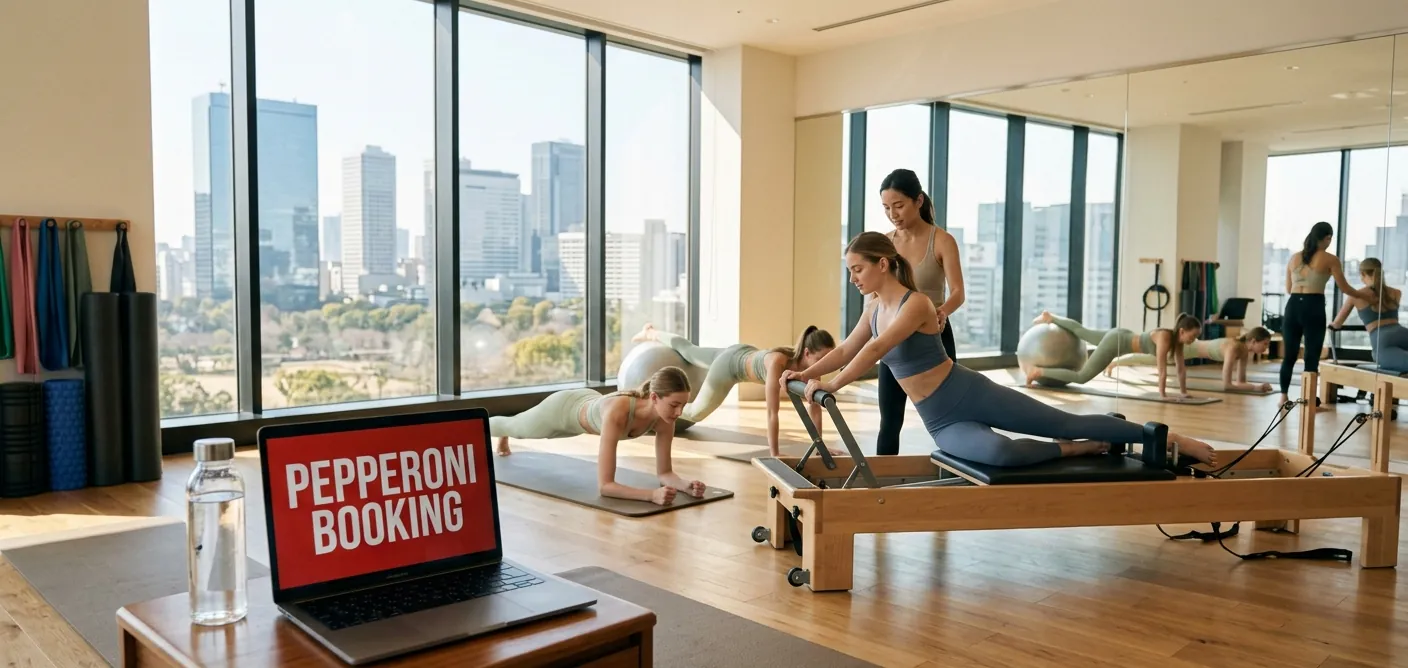
Технологічний збір у студії — це невелика додаткова плата, яка додається до членства, пакетів занять або окремих транзакцій для компенсації зростаючих витрат на цифрову інфраструктуру. Він виконує роль прямого операційного збору для покриття витрат на програмні платформи, безпечні платіжні шлюзи, автоматизовані системи комунікації та клієнтські цифрові портали.
Сучасні простори для руху потребують надійних цифрових систем для виживання. Адміністрування бізнесу у сфері здоров’я повністю перейшло з паперових журналів на хмарні системи.
Щоб відповідати очікуванням споживачів, власники повинні фінансувати цілий ряд інструментів для бек-енду. Технологічний збір відокремлює ці цифрові витрати від стандартних тарифів на заняття.
Багато невеликих фітнес-студій, включаючи ті, що пропонують спеціалізовані методики, такі як Gyrotonic® та Gyrokinesis®, використовують ці збори для збереження базових маржинальних показників послуг.
Такі збори зазвичай структуруються одним із двох способів:
Ваша цифрова система виконує більше, ніж просто планування занять. Вона слугує основним інтерфейсом для клієнтів, вашим фінансовим центром та гарантією дотримання вимог.
Інвестування в сучасне програмне забезпечення для управління студією потребує постійного та передбачуваного щомісячного капіталу. Технологічні збори надають механізм для прямого зв’язку витрат на програмне забезпечення з обсягом використання клієнтами.
Станом на 2026 рік вартість ведення бізнесу у сфері усвідомленого руху значно зросла. Інфляція призвела до підвищення комерційної орендної плати, витрат на обслуговування обладнання та вимог до заробітної плати інструкторів.
Водночас попит споживачів на безперебійний онлайн-досвід бронювання ніколи не був таким високим. Клієнти очікують миттєвих підтверджень, гнучкої роботи зі списками очікування та безпечних клієнтських порталів.
Щоб відповідати цим сучасним очікуванням, студії повинні підтримувати складну мережу інтегрованих додатків. Загальна вартість цих послуг може швидко перевантажити стандартний операційний бюджет.
Замість того, щоб підвищувати ціни на всі послуги, багато власників студій відокремлюють технологічні витрати. Це допомагає зберегти сприйняту доступність основних тарифів на заняття.
Цей підхід відповідає стандартним практикам в інших галузях. Авіакомпанії, готелі та великі майданчики для заходів давно відокремили надання послуг від технологічного забезпечення.
Встановлюючи видимий технологічний збір, власники студій можуть прямо пояснити, чому їхні цифрові системи є преміальними, безпечними та постійно оновлюваними.
Сучасні адміністративні екосистеми зазвичай складаються з кількох взаємопов’язаних інструментів:
Зауваження
Технологічні збори не є методом отримання чистого прибутку. Вони повинні бути розраховані для прямого покриття фактичних рахунків за програмне забезпечення, яке тримає ваші двері відкритими.Технологічний збір безпосередньо покращує прибутковість студії, виводячи накладні витрати на програмне забезпечення з основної собівартості послуг. Це дозволяє кожній заробленій гривні від занять на реформері або приватної сесії йти безпосередньо на заробітну плату інструкторів, обслуговування обладнання та накладні витрати на приміщення.
Відокремлюючи ці цифри, ви забезпечуєте чистоту вашої цінової моделі. Стандартні ціни повинні відображати фізичну цінність занять та простору студії.
Технологічні збори змінюються залежно від фактичного використання програмного забезпечення, захищаючи ваші маржі під час сезонних спадів відвідуваності. Це особливо цінно для студій, які намагаються збалансувати надання преміальних послуг з обмеженими операційними бюджетами.
Запровадження чіткої моделі надбавки стабілізує ваш грошовий потік. Це гарантує, що ваші адміністративні інструменти окупаються в міру розширення вашої клієнтської бази.
Щоб визначити, чи потрібен технологічний збір, спочатку потрібно розрахувати справжню вартість вашого цифрового стеку. Це виходить далеко за межі фіксованої абонентської плати за вашу основну систему бронювання.
Багато власників не враховують комісії за обробку транзакцій, які можуть непомітно забирати тисячі доларів щорічно. Кожного разу, коли учень бронює заняття з обмеженою кількістю місць на мобільному сайті, що оптимізований для мобільних пристроїв, виникають комісії за обробку.
Крім того, автоматизовані канали комунікації споживають значні ресурси. Коли ви розраховуєте ці витрати, ви розумієте, що ваш цифровий вхід часто є другою за величиною щомісячною накладною витратою.
Розглянемо стандартні статті технологічних накладних витрат, які зменшують ваші прибуткові маржі:
Якщо ці витрати перевищують п’ять відсотків вашого валового щомісячного доходу, ваша цінова структура може потребувати коригування. Ви повинні вирішити, чи поглинати це, чи перекладати на клієнтів.
Ретельно перевірте свої витрати за допомогою структурованого процесу огляду. Для детальних рекомендацій щодо проведення комплексної фінансової перевірки ознайомтеся з нашим посібником як провести аудит вашої студії пілатесу для прибутковості.
Якщо ваш аудит виявить значні витоки, спеціальний технологічний збір може негайно зупинити фінансовий відтік. Він перетворює змінні, непередбачувані накладні витрати на самозабезпечувану систему.
Це структурне коригування особливо важливе для студій, які проводять спеціалізовані заняття з обмеженою місткістю. Коли розмір груп обмежений шістьма або вісьмома реформерами, кожна гривня накладних витрат має значення.
Технологічний збір призведе до втрати клієнтів лише у випадку, якщо він буде запроваджений без прозорості або чіткого пояснення. Коли клієнти розуміють, що збір безпосередньо забезпечує захист їхніх особистих даних, полегшує онлайн-бронювання та запобігає помилкам у бронюванні, вони рідко заперечують.
Однак несподівані платежі при оформленні замовлення можуть миттєво зруйнувати довіру клієнтів. Сучасний споживач цінує прозорість понад усе у своїх транзакціях у сфері здоров’я.
Якщо клієнт відчуває, що його обманюють дрібними платежами, він швидко шукатиме альтернативні простори для руху. Емоційний зв’язок, побудований під час занять усвідомленого руху, може бути пошкоджений через транзакційні тертя.
Тому успіх технологічного збору повністю залежить від того, як він представлений. Його слід подавати як пряму інвестицію в їхній особистий клієнтський досвід.
Існує величезна психологічна різниця між прозорим технологічним збором та прихованою надбавкою. Клієнти цінують, коли точно знають, куди йдуть їхні гроші.
Історично такі заклади, як "Larry's School of Ballet" та ранні академії здоров’я, використовували прості касові апарати. Сьогодні безпечна обробка платежів є обов’язковою.
Якщо ви вирішили використовувати видимий пункт збору, ви повинні чітко визначити його призначення. Поясніть, що він фінансує безпечну обробку платежів і підтримує безперебійну роботу вашої платформи бронювання.
Щоб зрозуміти, як сучасна споживча психологія впливає на доходи студії, ознайомтеся з нашим комплексним аналізом Ціноутворення в студіях пілатесу: 2026 Хитрощі для сталого зростання прибутку.
При запровадженні збору враховуйте демографічні особливості вашої спільноти студії. Клієнти приватних тренувань високого рівня часто більш чутливі до дрібних платежів, ніж покупці пакетів групових занять.
Клієнти зазвичай готові підтримувати збори, які гарантують високі стандарти операційної діяльності. Ви можете класифікувати реакції клієнтів на фінансові оновлення за такими типами:
Підготувавши свою команду до роботи з цими різними поглядами, ви зможете запобігти непорозумінням. Ваша комунікація на рецепції повинна залишатися послідовною, корисною та емпатичною.
Переконайтеся, що ваш персонал може пояснити переваги вашого цифрового порталу. Зручний клієнтський інтерфейс безпосередньо зменшує тертя, що є ключовим для довгострокового утримання клієнтів студії.
Рада
Ніколи не називайте надбавку "збором за зручність", якщо ваша система є єдиним способом бронювання. Називайте її "Збір за технології та безпеку", щоб точно відображати її захисну та операційну цінність.Якщо ризик негативної реакції клієнтів здається надто високим, вам не обов’язково стягувати окремий пункт збору. Найпоширенішою альтернативою є підвищення базових цін на всі послуги.
Цей підхід включає ваші витрати на програмне забезпечення безпосередньо у стандартні ціни на заняття та пакети. Це створює елегантний, безперешкодний досвід оформлення замовлення для ваших клієнтів.
Наприклад, якщо ваші витрати на програмне забезпечення становлять п’ятдесят копійок за бронювання заняття, ви можете трохи підвищити ціни на заняття. Це повністю уникає психологічного бар’єру додаткової плати.
Це також спрощує ваш облік. Вам не потрібно відстежувати окремий кошик збору у вашій бухгалтерській книзі.
Ця стратегія є дуже ефективною для висококласних бутікових просторів. Клієнти, які платять преміальні ціни, очікують всеохоплюючого досвіду без видимих адміністративних надбавок.
Для детального розбору варіантів структури ознайомтеся з нашим посібником Членство проти пакетів занять: Створення оптимальної моделі доходів для вашої студії пілатесу.
Цей метод також допомагає підтримувати преміальний імідж бренду. Він показує, що ваш бізнес достатньо зрілий, щоб поглинати власні операційні витрати в рамках стандартних тарифів.
Ще одна високоефективна альтернатива — покращити вашу операційну ефективність. Оптимізуючи розклад та максимально використовуючи наявні місця, ви можете легко поглинути витрати на програмне забезпечення.
Багато студій втрачають доходи через порожні реформери або неоптимізовані розклади занять. Покращення вашого розкладу безпосередньо компенсує накладні витрати на програмне забезпечення.
Використання розумних списків очікування, чітких політик щодо запізнілих скасувань та автоматизованих нагадувань про заняття може швидко підвищити рівень відвідуваності. Цей додатковий дохід робить незначні витрати на програмне забезпечення неактуальними.
Запровадження автоматизованих робочих процесів — найпростіший спосіб досягти цього. Дізнайтеся, як зменшити накладні витрати студії пілатесу, усунувши адміністративні вузькі місця.
Автоматизуючи підтвердження занять, ви економите години ручної адміністративної роботи щотижня. Ці відновлені години можна перенаправити на маркетинг, утримання клієнтів та розвиток інструкторів.
Цей операційний зсув перетворює ваше програмне забезпечення з дорогої накладної витрати на потужний генератор доходів. Програмне забезпечення окупається, максимізуючи рівень заповнюваності.
Якщо ви вирішили запровадити спеціальний технологічний збір, ваша комунікація повинна бути ретельно спланована. Надішліть оголошення принаймні за тридцять днів до введення збору.
Використовуйте пряму, зрозумілу мову у своїх електронних повідомленнях. Уникайте складної фінансової термінології або надто захисних пояснень.
Зосередьтеся на тому, як ця зміна покращує клієнтський досвід. Поясніть, що збір підтримує безпеку даних, стабільні системи бронювання та надійні розклади.
Переконайтеся, що ваші інструктори та адміністративний персонал повністю проінформовані про оновлення. Вони повинні бути готові відповідати на запитання клієнтів з упевненістю та ясністю.
Ось простий структурований графік запуску оновлення збору:
Цей поетапний підхід запобігає несподіваним суперечкам щодо оплати. Він дає вашим клієнтам достатньо часу, щоб поставити запитання або скоригувати свої рахунки.
Щоб показати вдячність вашій спільноті, розгляньте можливість збереження існуючих членів. Це означає, що поточні члени залишаються на своїх початкових тарифних планах без нового збору.
Ця стратегія є чудовим способом винагородити ваших найлояльніших клієнтів. Вона показує, що ви цінуєте їхню довгострокову відданість вашій студії.
Застосовуйте новий технологічний збір лише до нових членств, одноразових покупок занять та нових клієнтів. Це мінімізує ризик негативної реакції з боку вашої основної спільноти.
З часом, коли старі членства природно завершуються, вся ваша клієнтська база поступово перейде на нову структуру. Цей перехід відбувається плавно, не шкодячи показникам утримання.
Захист ваших відносин з основними членами є життєво важливим. Цей жест доброї волі будує глибоку лояльність, яка значно перевищує негайний дохід від невеликого збору.
Зрештою, вибір стягувати технологічний збір залежить від вашої унікальної бізнес-моделі, демографії спільноти та операційних цілей. Незалежно від того, чи використовуєте ви пряму надбавку, чи коригуєте базові тарифи на членство, мета одна: побудова здорового, сталого бізнесу.
Забезпечуючи надійність вашої цифрової інфраструктури, ви гарантуєте, що ваша студія зможе й надалі надавати виняткові рухові враження протягом багатьох років. Зосередьтеся на тому, щоб ваші адміністративні рішення були прозорими, справедливими та професійними.
Кожне місце заповнене, кожен платіж відстежено — без жодних таблиць.
21-денна безкоштовна пробна версія · Кредитна картка не потрібна

Founder, Studio Owner & Engineer
Поширені запитання з цієї теми
Залишилися запитання? Зв'язатися з нашою командою
Теги:
Приєднуйтесь до власників студій, які навчаються керувати більш спокійними та організованими студіями.
Ми працюємо безпосередньо з першими 100 студіями-засновниками — бутіковими студіями, що формують наше майбутнє. Якщо це підходить вашій студії, пробний період відкрито.
Автоматизоване бронювання та планування, що заощаджують години щотижня
Розумні інструменти керування заняттями, розроблені для власників студій
Аналітика в реальному часі для відстеження зростання та оптимізації роботи
Кредитна картка не потрібна • 21-денний пробний період
Практичні поради щодо зменшення хаосу бронювань, утримання клієнтів та зростання без стресу.