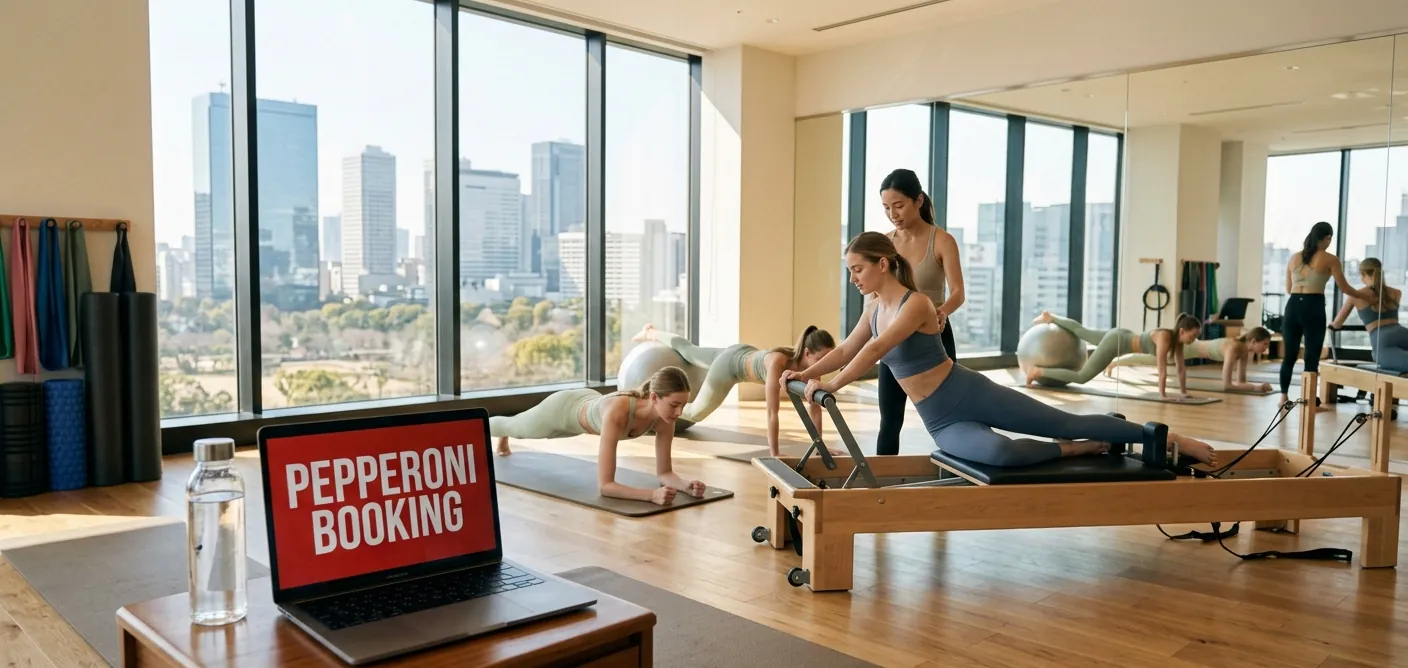
วิธีบริหารสตูดิโอพิลาทิสให้ทำกำไรได้ในปี 2026
วิธีเพิ่มรายได้ต่อเครื่องรีฟอร์เมอร์ในสตูดิโอของคุณ
สตูดิโอที่มีลูกค้ารวม 30 คนและจัด 15 คลาสต่อสัปดาห์สามารถเพิ่มรายได้ได้ 22% ด้วยการ optimization การใช้อุปกรณ์ สตูดิโอหลายแห่งมักพลาดโอกาสสร้างรายได้ปีละ 12,000–25,000 ดอลลาร์ เนื่องจากเครื่อง Reformer, เฟรม Cadillac หรือ Ladder ถูกใช้งานไม่เต็มประสิทธิภาพ กุญแจสำคัญอยู่ที่ การจองตามตำแหน่ง (spot-based booking) และ ตารางเวลาแบบไดนามิก (dynamic scheduling) ซึ่งเป็นเทคนิคที่ช่วยให้สตูดิโอเพิ่มความจุได้โดยไม่ทำให้ครูผู้สอนทำงานหนักเกินไป
สามกลยุทธ์เพิ่มรายได้จากอุปกรณ์
- ใช้ระบบการจองตามตำแหน่ง เพื่อเติมเต็มช่วงว่างระหว่างคลาส สตูดิโอหลายแห่งใช้ คิวรอ (waitlists) สำหรับอุปกรณ์ยอดนิยม แต่การใช้ ระบบแสดงความพร้อมแบบเรียลไทม์ อัตโนมัติจะช่วยเพิ่มอัตราการจองเต็มได้ถึง 35%
- เสนอเซสชันกึ่งส่วนตัว บนอุปกรณ์ที่ใช้งานน้อย ผลการศึกษาจาก PMA ปี 2025 พบว่าสตูดิโอที่มีบริการ เซสชัน Reformer แบบคู่หรือสามคน มีรายได้ต่อเครื่องเพิ่มขึ้น 40%
- เสนอขายบริการเสริม เช่น เซสชันส่วนตัว, เวิร์กช็อป หรือแพ็กเกจสินค้าปลีก ระหว่างขั้นตอนการจอง ตัวอย่างเช่น Larry’s School of Ballet สามารถเพิ่ม การจองเซสชันส่วนตัวได้ 28% ด้วยการเสนอขายส่วนเสริม "Reformer Prep Session" ในราคา 50 ดอลลาร์ สำหรับลูกค้าใหม่
วิธีลดช่วงเวลาว่างระหว่างคลาส
ช่วงเวลาว่างทำให้สตูดิโอสูญเสียรายได้ 80–150 ดอลลาร์ต่อชั่วโมง วิธีลดเวลานี้:
- ย่นระยะเวลาการเปลี่ยนคลาส ด้วยการใช้ ซอฟต์แวร์จัดตารางเวลาที่ปรับให้เหมาะกับมือถือ ซึ่งช่วยให้ครูผู้สอนสามารถ ล็อก/ปลดล็อกอุปกรณ์ ผ่านโทรศัพท์มือถือได้
- ฝึกอบรมครูผู้สอนให้เตรียมอุปกรณ์ ระหว่างช่วงเปลี่ยนคลาส กิจวัตรการเตรียมความพร้อม 5 นาที สามารถช่วยลดเวลาว่างลงได้ 40%
- ใช้ระบบแจ้งเตือนอัตโนมัติ เพื่อแจ้งให้ลูกค้าทราบเมื่ออุปกรณ์ว่าง สตูดิโอหลายแห่งเห็น ยอดจองนาทีสุดท้ายเพิ่มขึ้น 20% เมื่อใช้ การแจ้งเตือนความพร้อมแบบเรียลไทม์
การเช่าเครื่องพิลาทิส Reformer: คู่มือต้นทุนปี 2026 สำหรับเจ้าของสตูดิโอ
วิธีตั้งราคาเพื่อผลกำไรสูงสุด
การกำหนดราคาคือ ปัจจัยสำคัญที่สุด สู่ความสามารถในการทำกำไรในปี 2026 รายงานอุตสาหกรรมปี 2025 พบว่าสตูดิโอที่ใช้ โมเดลการกำหนดราคาแบบไดนามิก (ปรับราคาตามความต้องการ) สามารถเพิ่ม รายได้เฉลี่ยต่อลูกค้าได้ 18% อย่างไรก็ตาม การตั้งราคาผิดพลาด—ไม่ว่าจะสูงหรือต่ำเกินไป—อาจทำลายผลกำไรได้
สามโมเดลการกำหนดราคาที่ใช้ได้ผลในปี 2026
- การกำหนดราคาแบบแบ่งระดับ (เช่น 150 ดอลลาร์/เดือน สำหรับ 10 คลาส, 200 ดอลลาร์/เดือน สำหรับ 15 คลาส) โมเดลนี้ ช่วยลดการยกเลิกบริการ (churn) ได้ 15% พร้อมทั้งเพิ่ม มูลค่าเซสชันเฉลี่ย 22%
- จ่ายตามคลาสพร้อมส่วนลดเมื่อซื้อเป็นแพ็กเกจ เช่น การเสนอ 10 คลาส ในราคา 1,200 ดอลลาร์ (120 ดอลลาร์/คลาส) แทนที่จะเป็น 150 ดอลลาร์/คลาส จะช่วยเพิ่ม ความถี่ในการเข้าร่วมเซสชัน 30%
- แพ็กเกจพรีเมียม สำหรับ เซสชันส่วนตัวหรือกึ่งส่วนตัว การสำรวจของ PMA ปี 2026 เผยว่าสตูดิโอที่เรียกเก็บเงิน 120–150 ดอลลาร์ต่อเซสชันส่วนตัว มี อัตรากำไรสูงกว่า สตูดิโอที่เรียกเก็บ 80–100 ดอลลาร์
วิธีทดสอบและปรับปรุงการกำหนดราคา
- ทำการทดสอบ A/B กับระดับราคาที่แตกต่างกัน เช่น ทดสอบ 180 ดอลลาร์/เดือน กับ 200 ดอลลาร์/เดือน สำหรับแพ็กเกจ 12 คลาส และติดตาม อัตราการแปลง (conversion rates) และการรักษาฐานลูกค้า (retention)
- เสนอโปรโมชันต้อนรับระยะเวลาจำกัด เพื่อดึงดูดลูกค้าใหม่ เซสชันแรกฟรี หรือ ทดลองเรียนในราคาพิเศษ สามารถ เพิ่มการสมัครใช้งานได้ 40% แต่ต้องแน่ใจว่าข้อเสนอนี้ ไม่ลดทอนคุณค่าของราคาหลักของคุณ
- ตรวจสอบข้อเสนอแนะของลูกค้า เกี่ยวกับราคา หากลูกค้าลังเลกับราคา 200 ดอลลาร์/เดือน ให้พิจารณา เพิ่มมูลค่า (เช่น เซสชันส่วนตัวฟรี, ส่วนลดสินค้าปลีก) เพื่อสร้างความคุ้มค่า
วิธีตั้งราคาแพ็กเกจพิลาทิสเพื่อกำไรสูงสุดในปี 2026
วิธีลดการไม่มาตามนัดและการยกเลิกกะทันหัน
การไม่มาตามนัดหนึ่งครั้งทำให้สตูดิโอสูญเสียรายได้ 50–100 ดอลลาร์ สตูดิโอหลายแห่งประสบปัญหา ไม่มาตามนัด 3–5 ครั้งต่อสัปดาห์ ซึ่งนำไปสู่ การสูญเสียรายปี 6,000–10,000 ดอลลาร์ ทางออกคืออะไร? การแจ้งเตือนอัตโนมัติ + นโยบายการยกเลิกที่ยืดหยุ่น ซึ่ง ปกป้องรายได้พร้อมทั้งรักษาความพึงพอใจของลูกค้า
สามนโยบายเพื่อลดการไม่มาตามนัดลง 40%+
- กำหนดให้แจ้งล่วงหน้า 24 ชั่วโมงสำหรับการยกเลิก สตูดิโอที่ใช้นโยบายนี้เห็น อัตราการไม่มาตามนัดลดลง 30%
- เรียกเก็บค่าธรรมเนียมการยกเลิกช้า 25 ดอลลาร์ สำหรับการยกเลิกที่ทำ น้อยกว่า 24 ชั่วโมงก่อนเริ่มคลาส วิธีนี้ ช่วยลดการไม่มาตามนัดลง 25% พร้อมทั้ง เพิ่มรายได้ 1,200–2,000 ดอลลาร์/เดือน
- เสนอ "เครดิตกรณีไม่มาตามนัด" สำหรับลูกค้าที่ พลาดคลาสแต่มาเข้าร่วมคลาสอื่นภายใน 30 วัน วิธีนี้ ช่วยปรับปรุงอัตราการรักษาลูกค้า (retention) 12% พร้อมทั้ง ลดการสูญเสียรายได้
วิธีทำให้การแจ้งเตือนเป็นระบบอัตโนมัติ
- ส่ง SMS แจ้งเตือน 24 ชั่วโมง และ 1 ชั่วโมงก่อนเริ่มคลาส สตูดิโอหลายแห่งพบว่า อัตราการไม่มาตามนัดลดลง 20% เมื่อใช้ การแจ้งเตือนทาง SMS อัตโนมัติ
- ใช้อีเมล + การแจ้งเตือนบนมือถือ สำหรับลูกค้าที่ชอบการแจ้งเตือนแบบดิจิทัล การแจ้งเตือนร่วมกันช่วยเพิ่มอัตราการเข้าร่วม 15%
- ติดตามผลด้วยการโทรที่เป็นมิตร สำหรับลูกค้าที่ ไม่มาตามนัด 3 ครั้งขึ้นไป ความใส่ใจส่วนตัว สามารถ ดึงลูกค้าที่สูญเสียไปให้กลับมาได้ถึง 60%
คำเตือน: หลีกเลี่ยง นโยบายที่เข้มงวดจนเกินไป ซึ่งสร้างความหงุดหงิดให้แก่ลูกค้า สร้างความสมดุลระหว่าง การปกป้องรายได้ และ ประสบการณ์ของลูกค้า สตูดิโอที่ ลงโทษเรื่องการไม่มาตามนัดมากเกินไป จะประสบปัญหา อัตราการยกเลิกบริการ (churn) ที่สูงขึ้น
วิธีขยายธุรกิจสตูดิโอของคุณโดยไม่ต้องจ้างครูเพิ่ม
สตูดิโอหลายแห่งชน เพดานการเติบโต เพราะ ไม่สามารถจ้างครูผู้สอนได้เพียงพอ กับความต้องการ ทางออกคืออะไร? ปรับปรุงตารางเวลา, ทำงานธุรการให้เป็นอัตโนมัติ และขยายขอบเขตบริการ—โดยไม่ต้องเพิ่มจำนวนพนักงาน
สามวิธีในการขยายธุรกิจโดยไม่ต้องจ้างเพิ่ม
- ขยายเซสชันกึ่งส่วนตัวและส่วนตัว บริการเหล่านี้ ใช้จำนวนครูต่อลูกค้าน้อยกว่า คลาสกลุ่ม รายงานจาก PMA ปี 2025 พบว่าสตูดิโอที่ให้บริการ เซสชันกึ่งส่วนตัว มี การเติบโตของรายได้ 35% โดย ไม่มีการเพิ่มพนักงาน
- เสนอคลาสออนไลน์หรือโปรแกรมแบบไฮบริด สตูดิโอหลายแห่งในปัจจุบัน สตรีมคลาสแบบสดหรือตามความต้องการ (on-demand) ทำให้สามารถ เข้าถึงลูกค้าได้มากขึ้นโดยไม่ต้องเพิ่มครูผู้สอน
- ใช้เครื่องมือจัดตารางเวลาและการจองอัตโนมัติ เพื่อ ลดภาระงานธุรการ สตูดิโอหลายแห่งประหยัดเวลาได้ 10–15 ชั่วโมง/สัปดาห์ ด้วยการ ทำระบบจอง ชำระเงิน และแจ้งเตือนให้เป็นอัตโนมัติ
วิธีปรับปรุงตารางเวลาของคุณ
- จัดกลุ่มคลาสที่คล้ายกันไว้ด้วยกัน (เช่น คลาส Reformer ทั้งหมดในช่วงเวลาเดียว) วิธีนี้ ช่วยลดเวลาเปลี่ยนผ่าน และ maximizes ประสิทธิภาพของครูผู้สอน
- ใช้การจองตามตำแหน่ง เพื่อ เติมเต็มช่องว่างระหว่างคลาส สตูดิโอหลายแห่งเห็น อัตราการจองคลาสเต็มเพิ่มขึ้น 25% ด้วยการ อนุญาตให้จองได้นาทีสุดท้าย
- เสนอ "เซสชันแบบเร่งรัด" (เช่น เซสชันส่วนตัวหรือกึ่งส่วนตัว 30 นาที) สิ่งเหล่านี้ ช่วยเพิ่มรายได้ต่อชั่วโมง พร้อมทั้ง ใช้เวลาของครูผู้สอนน้อยลง
การปรับปรุงตารางเวลาสตูดิโอพิลาทิสเพื่อผลกำไร
วิธีสร้างฐานลูกค้าที่ภักดี
การรักษาลูกค้า (Client retention) คือ ปัจจัยขับเคลื่อนอันดับ 1 ของความสามารถในการทำกำไร ในปี 2026 สตูดิโอพิลาทิสทั่วไปสูญเสียลูกค้า 20–30% ต่อปี เนื่องจากการ ขาดการมีส่วนร่วม การสื่อสารที่ไม่ดี หรือมีข้อเสนอที่ดีกว่าจากที่อื่น ทางออกคืออะไร? สร้างชุมชน ไม่ใช่แค่ตารางคลาส
สามกลยุทธ์เพื่อเพิ่มอัตราการรักษาลูกค้า
- เสนอโปรแกรมสมาชิก พร้อม สิทธิประโยชน์ เช่น เซสชันส่วนตัวฟรี, ส่วนลดสินค้าปลีก หรือสิทธิ์จองคลาสก่อนใคร สตูดิโอที่มี โปรแกรมสมาชิกมีอัตราการรักษาลูกค้าสูงกว่า 30%
- จัดอีเวนต์พิเศษเฉพาะกิจ (เช่น เวิร์กช็อป, รีสอร์ท, หรือวันครูผู้สอนรับเชิญ) สิ่งเหล่านี้ สร้างความรู้สึกเป็นส่วนหนึ่ง และ เพิ่มมูลค่าตลอดอายุการใช้งานของลูกค้า (LTV) 25%
- ใช้เครื่องมือสร้างการมีส่วนร่วมอัตโนมัติ เพื่อ ส่งอีเมล แบบสำรวจ และอัปเดตความคืบหน้าส่วนบุคคล สตูดิโอหลายแห่งเห็น อัตราการยกเลิกบริการลดลง 20% ด้วยการ สื่อสารเชิงรุกกับลูกค้า
วิธีดึงลูกค้าที่ไม่ active ให้กลับมา
- ส่งอีเมล "เราคิดถึงคุณ" พร้อม ข้อเสนอระยะเวลาจำกัด (เช่น เซสชันส่วนตัวฟรีหรือแพ็กเกจส่วนลด)
- เสนอ "ความท้าทายเพื่อปลุกพลังการกลับมา" (เช่น เข้าคลาส 3 ครั้งในหนึ่งเดือนเพื่อรับเซสชันฟรี)
- ติดตามด้วยการโทรศัพท์ เพื่อทำความเข้าใจว่าทำไมพวกเขาถึงหยุดมา ลูกค้าหลายคน แค่ต้องการการกระตุ้นเล็กน้อย เพื่อกลับมา
การรักษาลูกค้าพิลาทิส: 5 เคล็ดลับที่ขับเคลื่อนด้วยข้อมูลสำหรับปี 2026
วิธีใช้ประโยชน์จากเทคโนโลยีเพื่อประสิทธิภาพในการดำเนินงาน
สตูดิโอหลายแห่ง เสียเวลา 10–15 ชั่วโมงต่อสัปดาห์ ไปกับ งานธุรการที่ทำด้วยมือ เช่น การจัดตารางเวลา การชำระเงิน และการจัดการลูกค้า ทางออกคืออะไร? ทำงานอัตโนมัติด้วยซอฟต์แวร์ที่เหมาะสม—แต่ไม่ใช่ทุกเครื่องมือจะเหมือนกัน ต่างจากแพลตฟอร์มฟิตเนสทั่วไป ซอฟต์แวร์สำหรับสตูดิโอโดยเฉพาะ (เช่น ซอฟต์แวร์จัดตารางเวลาพิลาทิส) ถูกสร้างขึ้นเพื่อ ลดค่าใช้จ่ายในการดำเนินงาน ปกป้องรายได้ และปรับปรุงประสบการณ์ของลูกค้า
สามฟีเจอร์ต้องมีสำหรับปี 2026
- การจองตามตำแหน่ง เพื่อ เติมช่องว่างระหว่างคลาส และ maximizes การใช้อุปกรณ์ สตูดิโอหลายแห่งเห็น รายได้เพิ่มขึ้น 30% ด้วย ความพร้อมใช้งานแบบเรียลไทม์
- การแจ้งเตือนและการยกเลิกอัตโนมัติ เพื่อ ลดการไม่มาตามนัดและปกป้องรายได้ สตูดิโอที่ใช้ SMS + การแจ้งเตือนทางอีเมล เห็น อัตราการไม่มาตามนัดลดลง 25%
- SaaS แบบหลายผู้เช่าพร้อมการสร้างแบรนด์เฉพาะตัว เพื่อ รักษาเอกลักษณ์ของสตูดิโอของคุณ พร้อมทั้งใช้ โครงสร้างพื้นฐานบนคลาวด์ วิธีนี้ ช่วยลดค่าใช้จ่ายด้านไอที และ รับประกันความปลอดภัยของข้อมูล
วิธีเลือกซอฟต์แวร์ที่เหมาะสม
- มองหาอินเทอร์เฟซที่ปรับให้เหมาะกับมือถือ—ครูผู้สอนและลูกค้าจำนวนมาก ชอบจองผ่านโทรศัพท์มือถือ
- ตรวจสอบว่าสามารถบูรณาการกับระบบประมวลผลการชำระเงินได้ (เช่น Pay.jp, Stripe) เพื่อ ความคล่องตัวในการทำธุรกรรม
- ตรวจสอบการสนับสนุนตลอด 24 ชั่วโมงทุกวัน—สตูดิโอหลายแห่ง สูญเสียรายได้ เนื่องจาก ระบบจองหยุดทำงาน
วิธีเปลี่ยนซอฟต์แวร์สตูดิโอพิลาทิสอย่างราบรื่น
วิธีวางแผนเพื่อผลกำไรในปี 2026
กำไรไม่ใช่แค่เรื่องของ การเติมเต็มคลาส—แต่มันคือ การควบคุมต้นทุน การเพิ่มประสิทธิภาพรายได้ และการวางแผนเพื่อการเติบโต สตูดิโอหลายแห่ง ดำเนินงานขาดทุน เพราะ ไม่ได้ติดตามตัวชี้วัดสำคัญ เช่น รายได้ต่อครูผู้สอน การใช้อุปกรณ์ หรือมูลค่าตลอดอายุการใช้งานของลูกค้า ทางออกคืออะไร? ตรวจสอบการเงินของคุณ ปรับราคา และลงทุนในบริการที่มีอัตรากำไรสูง
สามตัวชี้วัดทางการเงิน (KPI) ที่ต้องติดตาม
- รายได้ต่อครูผู้สอน: ตั้งเป้าหมายที่ 8,000–12,000 ดอลลาร์/เดือน ต่อครูผู้สอน เพื่อรับประกันความสามารถในการทำกำไร
- อัตราการใช้อุปกรณ์: การใช้งาน 80–90% คือสิ่งที่เหมาะสม—หากต่ำกว่า 70% หมายถึงรายได้ที่สูญเสียไป
- มูลค่าตลอดอายุการใช้งานของลูกค้า (LTV): 1,500–3,000 ดอลลาร์ ต่อลูกค้าหนึ่งคน คือเกณฑ์มาตรฐานสำหรับสตูดิโอที่ทำกำไร
วิธีตรวจสอบความสามารถในการทำกำไรของสตูดิโอ
- คำนวณต้นทุนต่อคลาสของคุณ (เช่น ค่าเช่า, ค่าจ้างครู, สาธารณูปโภค) หาก ต้นทุนต่อคลาสของคุณเกิน 20 ดอลลาร์ แสดงว่าคุณกำลัง ดำเนินงานขาดทุน
- ทบทวนโมเดลการกำหนดราคาของคุณ หาก ลูกค้า 80% เลือกแพ็กเกจระดับต่ำสุด ให้พิจารณา เพิ่มมูลค่า (เช่น เซสชันส่วนตัวฟรี, ส่วนลดสินค้าปลีก) เพื่อ สนับสนุนราคาที่สูงขึ้น
- ลงทุนในบริการที่มีอัตรากำไรสูง เช่น เซสชันส่วนตัว, เวิร์กช็อป หรือสินค้าปลีก สิ่งเหล่านี้ ช่วยเพิ่มอัตรากำไร 40–50% เมื่อเทียบกับคลาสกลุ่ม
อัตรากำไรของสตูดิโอพิลาทิส: คู่มือต้นทุนปี 2026 สำหรับเจ้าของสตูดิโอ
วิธีเตรียมพร้อมสู่อนาคตของสตูดิโอคุณ
สตูดิโอที่ประสบความสำเร็จมากที่สุดในปี 2026 ไม่ได้แค่อยู่รอด แต่พวกเขากำลังเติบโตอย่างก้าวกระโดด ด้วยการ ปรับตัวให้เข้ากับเทรนด์ เช่น AI, การขยายธุรกิจเสมือนจริง และการตลาดเฉพาะกลุ่ม สตูดิโอหลายแห่ง ล้าหลัง เพราะ เพิกเฉยต่อโอกาสใหม่ๆ หรือ ยึดติดกับโมเดลเดิมๆ ทางออกคืออะไร? ก้าวล้ำนำหน้าด้วยการตัดสินใจที่ขับเคลื่อนด้วยข้อมูล, การกำหนดราคาที่ยืดหยุ่น และบริการที่เป็นนวัตกรรม
สามเทรนด์ที่ต้องจับตามองในปี 2026
- การจัดตารางเวลาและการสร้างการมีส่วนร่วมของลูกค้าด้วย AI สตูดิโอหลายแห่ง กำลังใช้ AI เพื่อทำนายความต้องการ, ปรับขนาดคลาสให้เหมาะสม, และ ปรับแต่งคำแนะนำสำหรับลูกค้าแต่ละราย
- คลาสเสมือนจริงและไฮบริด สตูดิโอที่ให้บริการ โปรแกรมออนไลน์หรือไฮบริด จะเห็น รายได้เพิ่มขึ้น 20% โดยไม่มีต้นทุนค่าครูผู้สอนเพิ่มขึ้น
- การตลาดเฉพาะกลุ่มสำหรับ Gyrotonic® และกลุ่มลูกค้าพิเศษ สตูดิโอที่เน้น Gyrotonic®, พิลาทิสเพื่อการแพทย์ หรือวัยเก๋าแอคทีฟ จะมี อัตราการรักษาลูกค้าที่สูงขึ้นและตั้งราคาพรีเมียมได้
วิธีรักษาความสามารถในการแข่งขัน
- ลงทุนในการพัฒนาวิชาชีพ สำหรับครูผู้สอน ครูผู้สอนที่ผ่านการรับรอง Gyrotonic® หรือพิลาทิสขั้นสูง สามารถ เรียกเก็บอัตราที่สูงขึ้นและดึงดูดลูกค้าระดับพรีเมียมได้
- ขยายขอบเขตการให้บริการของคุณ (เช่น เวิร์กช็อป, รีทรีต, โปรแกรมพิลาทิสสำหรับองค์กร) สิ่งเหล่านี้ ช่วยเพิ่มรายได้ 30–40% โดยใช้ความพยายามเพิ่มขึ้นเพียงเล็กน้อย
- ใช้ประโยชน์จากการวิเคราะห์ข้อมูล เพื่อ ติดตามผลงาน ปรับราคา และปรับปรุงการรักษาลูกค้า สตูดิโอหลายแห่งเห็น ความสามารถในการทำกำไรเพิ่มขึ้น 25% ด้วย การตัดสินใจที่ขับเคลื่อนด้วยข้อมูล
การขยายธุรกิจเสมือนจริงสำหรับสตูดิโอ Gyrotonic®: การสร้างรายได้จากคลาสออนไลน์และคอนเทนต์ดิจิทัล
How to Handle Staffing Challenges
Instructor burnout and turnover cost studios $50,000–$100,000 annually in replacement costs, lost revenue, and training time. Many studios struggle with retention because they don’t offer career growth, fair pay, or work-life balance. The solution? Build a supportive team culture, offer competitive compensation, and provide clear career paths.
Three Strategies to Reduce Instructor Turnover
- Offer flexible scheduling (e.g., part-time, hybrid, or on-call options). Studios with flexible policies see 40% lower turnover.
- Provide career advancement opportunities (e.g., lead instructor roles, training certifications). Many instructors stay longer if they see a clear path to growth.
- Implement a mentor program where senior instructors train new hires. This reduces onboarding time by 30% and improves retention by 25%.
How to Structure Instructor Pay
- Mix flat rate + commission to reward performance while ensuring stability. For example, $30/hr base pay + 10% commission keeps instructors motivated without overburdening the studio.
- Offer bonuses for high performance (e.g., $50 bonus for 90%+ attendance, $100 bonus for top revenue).
- Provide health benefits or discounts (e.g., free private sessions, retail discounts). Many instructors value benefits as much as pay.
How to Structure Pilates Instructor Pay
How to Market Your Studio Effectively
Many studios struggle to fill classes because their marketing is reactive, not strategic. The solution? Build a strong brand, leverage digital marketing, and focus on client retention—not just acquisition.
Three Marketing Strategies That Work in 2026
- Hyper-local SEO to attract clients searching for Pilates near them. Studios ranking on Google’s first page see 60% more inquiries.
- Social media storytelling (e.g., Instagram Reels, TikTok, client testimonials). Many studios see a 35% increase in sign-ups with engaging content.
- Referral programs that reward clients for bringing friends. Studios with referral programs see 20% higher retention.
How to Attract Premium Clients
- Position your studio as a specialized, high-end experience (e.g., Gyrotonic®, medical Pilates, or luxury Reformer classes**).
- Offer exclusive perks (e.g., private sessions, VIP class access, retail discounts).
- Leverage partnerships (e.g., physical therapists, chiropractors, corporate wellness programs).
How to Scale Your Pilates Studio via Local SEO
How to Plan for Expansion
Expanding your studio is one of the biggest financial risks you can take—but it’s also one of the best ways to grow revenue. Many studios fail to expand because they don’t plan for cash flow, staffing, or client demand. The solution? Start small, test the market, and scale strategically.
Three Steps to Expand Successfully
- Test demand with a pop-up class or satellite location before committing to a full expansion.
- Use data to identify the best location (e.g., high foot traffic, low competition, target demographic).
- Phase your expansion (e.g., start with a second studio in a nearby city, then expand nationally).
How to Finance Expansion
- Reinvest profits from your current studio to fund the expansion. Many studios grow organically by plowing revenue back into the business.
- Secure small business loans or investors who understand the Pilates industry.
- Offer franchise opportunities if you want rapid expansion. Many studios grow faster by licensing their brand to others.
Scaling Your Pilates Business: A Strategic Roadmap for Opening a Second Studio Location
How to Protect Your Revenue from Economic Downturns
Economic uncertainty hits Pilates studios hard—many see a 15–25% drop in revenue during recessions. The solution? Diversify income streams, reduce fixed costs, and focus on high-value clients**.
Three Ways to Weather Economic Storms
- Offer flexible payment plans (e.g., pay-per-class, membership options). Many clients prefer flexibility during tough times.
- Expand retail sales (e.g., matts, resistance bands, apparel). Retail accounts for 20–30% of studio revenue and is less volatile than class bookings.
- Focus on corporate and medical clients (e.g., offering Pilates for recovery, desk yoga, or wellness programs). These clients are more stable than individual gym-goers.
How to Reduce Fixed Costs
- Negotiate better lease terms (e.g., longer leases for lower rent, shared spaces).
- Optimize equipment leasing to reduce capital expenditures. Many studios save 30–40% on equipment costs by leasing instead of buying.
- Automate admin tasks to reduce labor costs. Many studios save $5,000–$10,000/year by automating scheduling, payments, and client communication.
Pilates Studio Tax Deductions: Maximizing Write-Offs for Owners in 2026
How to Create a Strong Studio Culture
A strong studio culture isn’t just about happy employees—it’s about happy clients. Many studios struggle with retention because they don’t foster a sense of community. The solution? Build a collaborative, inclusive environment where instructors and clients thrive**.
Three Ways to Build a Strong Culture
- Host team-building events (e.g., workshops, retreats, volunteer days). Many studios see a 30% reduction in turnover with regular team activities.
- Encourage instructor collaboration (e.g., shared lesson plans, peer feedback). This improves class quality and boosts instructor morale.
- Recognize and reward top performers (e.g., bonuses, public shoutouts, career advancement). Many instructors stay longer when they feel valued and appreciated.
How to Engage Clients in Your Culture
- Create a community feel (e.g., private Facebook groups, client events, member-only perks**).
- Encourage client feedback (e.g., surveys, reviews, open Q&A sessions). Many studios see a 20% increase in retention with proactive client engagement.
- Offer exclusive content (e.g., workshops, retreats, private sessions**) for loyal clients.
Cultivating Your Pilates Studio’s Culture: Attracting Top Talent & Loyal Clients
How to Use Data to Make Smarter Decisions
Many studios operate on gut feelings instead of data-driven insights. The solution? Track key metrics, analyze performance, and adjust strategies based on real-time data.
Three Data-Driven Decisions for 2026
- Track revenue per instructor, equipment utilization, and client lifetime value to identify inefficiencies**.
- Use attendance trends to predict demand and optimize scheduling. Many studios see a 25% increase in revenue with data-driven class planning**.
- Monitor client feedback to improve offerings and reduce churn. Many studios see a 20% reduction in cancellations with proactive client communication**.
How to Implement Data Tracking
- Use studio management software to track bookings, payments, and client behavior**.
- Set up Google Analytics to monitor website traffic and marketing performance**.
- Conduct quarterly business reviews to assess financial health and adjust strategies**.
Pilates Studio KPIs: Metrics Every Owner Needs to Track in 2026
How to Handle Common Studio Challenges
Every studio faces unique challenges—whether it’s low attendance, instructor burnout, or cash flow issues. The solution? Stay proactive, adapt quickly, and leverage the right tools.
How to Fix Low Attendance
- Offer express classes (e.g., 30-minute sessions**) for busy clients.
- Host special events (e.g., themed classes, guest instructors, workshops**).
- Use dynamic pricing to fill empty slots (e.g., discounted late slots**).
How to Reduce Instructor Burnout
- Provide flexible scheduling and mental health support**.
- Encourage work-life balance with mandatory breaks and off-days**.
- Offer career growth opportunities to keep instructors engaged**.
How to Improve Cash Flow
- Negotiate better payment terms** with suppliers.
- Diversify income streams (e.g., retail, workshops, private sessions).
- Use automated accounting tools to track expenses and revenue**.
How to Run Pilates Studio Payroll Efficiently
How to Prepare for the Future of Pilates
The Pilates industry is evolving fast—from AI-driven scheduling to virtual expansion and niche specialization. The studios that thrive in 2026 are the ones that adapt quickly, invest in technology, and focus on client experience**.
Three Future Trends to Watch
- AI-powered scheduling and client engagement will reduce admin work and improve retention.
- Virtual and hybrid classes will expand your reach without adding instructor costs.
- Niche marketing (e.g., Gyrotonic®, medical Pilates, active aging) will attract premium clients.
How to Stay Ahead
- Invest in professional development** for instructors and staff.
- Expand your service offerings (e.g., workshops, retreats, corporate programs**).
- Leverage data analytics to make smarter business decisions**.
Data-Driven Decisions for Pilates Studios: Leveraging AI for Smarter Growth in 2026
How to Build a Sustainable Business Model
A sustainable studio isn’t just about making money—it’s about building a business that lasts. Many studios fail within 3–5 years because they don’t plan for long-term growth. The solution? Diversify income, reduce overhead, and focus on client retention.
Three Keys to Long-Term Success
- Diversify revenue streams (e.g., memberships, workshops, retail, private sessions).
- Reduce fixed costs (e.g., negotiate better leases, optimize equipment leasing).
- Invest in client experience (e.g., personalized programs, community building**).
How to Plan for the Future
- Set clear financial goals (e.g., $50,000/month revenue, 20% profit margin**).
- Track key metrics (e.g., revenue per instructor, client lifetime value, retention rate**).
- Stay flexible and adaptable to market changes and trends**.
How to Build a Profitable Pilates Business Model: 2025 Guide
How to Attract and Retain Top Instructors
Top instructors drive profitability—they attract premium clients, increase revenue, and improve retention. Many studios struggle to hire and retain them because they don’t offer competitive pay, career growth, or work-life balance. The solution? Build a supportive, rewarding environment where instructors thrive**.
Three Ways to Attract Top Talent
- Offer competitive pay + bonuses (e.g., $40–$60/hr base + commission**).
- Provide career advancement opportunities (e.g., lead instructor roles, training certifications**).
- Create a positive work culture (e.g., flexible scheduling, team-building events**).
How to Retain Top Instructors
- Recognize and reward top performers with bonuses, promotions, or public acknowledgment.
- Offer professional development (e.g., workshops, conferences, mentorship programs**).
- Ensure work-life balance with mandatory breaks and off-days**.
How to Hire Top-Tier Pilates Instructors
How to Maximize Equipment ROI
Equipment is one of the biggest expenses for Pilates studios—yet many studios don’t maximize its value. The solution? Optimize usage, reduce downtime, and invest in high-ROI equipment**.
Three Ways to Increase Equipment ROI
- Use spot-based booking to fill gaps between classes. Many studios see a 30% increase in revenue with real-time availability**.
- Offer semi-private and private sessions on underused equipment. These increase revenue by 40% with minimal additional cost**.
- Negotiate better leasing terms to reduce capital expenditures. Many studios save 30–40% on equipment costs by leasing instead of buying**.
How to Choose the Right Equipment
- Invest in high-demand equipment (e.g., Reformers, Cadillacs, Ladders**).
- Consider used or leased equipment to reduce upfront costs**.
- Train instructors to maximize equipment usage and reduce downtime.
Pilates Reformer Leasing: 2026 Profit Guide for Studio Owners
How to Handle Client Feedback and Complaints
Client feedback is gold—it helps you improve offerings, reduce churn, and build loyalty. Many studios ignore complaints or react defensively, which hurts retention. The solution? Listen actively, respond professionally, and turn complaints into opportunities**.
How to Manage Client Feedback
- Encourage feedback with surveys, reviews, and open Q&A sessions.
- Respond quickly and professionally to negative reviews or complaints.
- Use feedback to improve class quality, instructor performance, and client experience**.
How to Turn Complaints into Opportunities
- Offer compensations (e.g., free session, discount, apology gift) for genuine issues**.
- Follow up to ensure the problem is resolved. Many clients return after a positive resolution.
- Share success stories (e.g., how you improved based on feedback) to build trust.
Why Your Pilates Studio Needs a Client Experience Strategy (Beyond Just Good Classes)
How to Plan for Seasonal Demand
Seasonal fluctuations can make or break your studio’s profitability. Many studios struggle with low attendance in winter or high demand in summer, leading to revenue swings. The solution? Plan ahead, adjust pricing, and diversify offerings.
How to Handle Seasonal Demand
- Offer limited-time promotions (e.g., summer discounts, holiday packages**).
- Expand seasonal classes (e.g., holiday workshops, New Year’s resolutions programs**).
- Use dynamic pricing to balance demand (e.g., higher prices in peak season, discounts in slow season**).
How to Prepare for Slow Seasons
- Host special events (e.g., workshops, retreats, charity classes**).
- Offer introductory discounts to attract new clients**.
- Focus on client retention with exclusive perks (e.g., free private session, retail discounts**).
How to Host High-Profit Pilates Workshops in 2026: A Data-Driven Guide
How to Build a High-Converting Sales Pipeline
A strong sales pipeline means more clients, higher revenue, and sustainable growth. Many studios struggle with conversions because they don’t nurture leads or lack a clear strategy. The solution? Automate follow-ups, personalize offers, and track performance**.
Three Steps to a High-Converting Pipeline
- Capture leads with website forms, social media ads, and referrals.
- Nurture leads with automated emails, SMS, and personalized offers.
- Convert leads with limited-time discounts, free trials, or intro sessions.
How to Improve Conversion Rates
- Use landing pages to promote special offers (e.g., free trial, discounted package**).
- Follow up with personalized emails (e.g., “We noticed you visited—here’s a special offer!”**).
- Track lead sources to identify what works (e.g., social media, referrals, ads**).
Building a High-Conversion Pilates Studio Sales Pipeline
How to Leverage Social Media for Growth
Social media is one of the best tools for attracting new clients—but many studios don’t use it effectively. The solution? Post consistently, engage with your audience, and drive traffic to your website**.
Three Social Media Strategies for 2026
- Post behind-the-scenes content (e.g., instructor stories, studio tours, client transformations**).
- Run targeted ads (e.g., Instagram, Facebook, TikTok) to attract local clients**.
- Engage with followers (e.g., reply to comments, DMs, share user-generated content).
How to Grow Your Following
- Use hashtags (e.g., #PilatesStudio, #ReformerWorkouts, #WellnessJourney**).
- Collaborate with influencers (e.g., local fitness accounts, wellness bloggers**).
- Run giveaways or challenges (e.g., “Tag a friend for a chance to win a free session!”**).
TikTok Strategies for Pilates Studios: Attracting Gen Z and Millennials
How to Create a Signature Pilates Experience
A signature experience sets your studio apart and attracts premium clients. Many studios struggle with differentiation because they offer generic classes. The solution? Craft a unique brand identity and deliver exceptional value**.
Three Ways to Create a Signature Experience
- Offer specialized classes (e.g., Gyrotonic®, medical Pilates, active aging, pre/postnatal Pilates**).
- Provide personalized programming (e.g., one-on-one assessments, tailored plans**).
- Build a community feel (e.g., private events, member-only perks, client retreats**).
How to Brand Your Studio
- Define your unique value proposition (e.g., “We specialize in Gyrotonic® for dancers and athletes.”**).
- Develop a strong visual identity (e.g., logo, colors, photography style**).
- Tell your studio’s story (e.g., mission, founder’s journey, client success stories**).
How to Build a High-End Pilates Studio Brand
How to Prepare for Studio Audits and Compliance
Audits and compliance can be stressful, but they’re essential for protecting your business and clients. Many studios ignore compliance until it’s too late—leading to fines, lawsuits, or lost clients. The solution? Stay organized, document everything, and follow best practices**.
Three Compliance Areas to Focus On
- Tax deductions (e.g., equipment leasing, instructor pay, retail sales).
- Data security (e.g., client information protection, payment processing compliance).
- Instructor certifications (e.g., PMA, ACE, Gyrotonic® certifications).
How to Stay Compliant
- Keep accurate records (e.g., payroll, expenses, client data**).
- Use secure payment processing (e.g., Stripe, Pay.jp) to protect client data**.
- Train instructors on compliance best practices (e.g., client confidentiality, equipment safety).
Future-Proofing Your Studio: Essential Cybersecurity for Client Data Protection
How to Host Profitable Workshops and Events
Workshops and events can be a high-margin revenue stream—but many studios struggle to fill them. The solution? Promote effectively, offer value, and track performance.
Three Ways to Sell Out Workshops
- Promote early with social media, email, and local ads.
- Offer limited-time discounts to create urgency**.
- Partner with local businesses (e.g., yoga studios, physical therapists, gyms**).
How to Maximize Workshop Revenue
- Upsell add-ons (e.g., private sessions, retail bundles, extended workshops).
- Track attendance and feedback to improve future events**.
- Use waitlists to fill last-minute spots and maximize revenue**.
How to Host Profitable Pilates Workshops
How to Price Your Private Sessions for Maximum Profit
Private sessions are one of the highest-margin offerings in Pilates—but many studios underprice them. The solution? Set competitive rates, justify value, and upsell effectively**.
How to Price Private Sessions
- Charge $100–$150 per hour for beginner/intermediate clients**.
- Charge $150–$200 per hour for advanced or specialized clients (e.g., athletes, dancers, medical clients**).
- Offer packages (e.g., 10 sessions for $1,200 instead of $1,500**).
How to Increase Private Session Bookings
- Promote them in group classes (e.g., “Book a private session after your Reformer class!”).
- Offer intro discounts (e.g., first session for $75**).
- Use automated reminders to encourage repeat bookings**.
How to Master Pilates Private Session Pricing in 2026
How to Reduce Pilates Studio Admin Costs
Admin tasks can eat up 10–15 hours per week—costing studios $5,000–$10,000 annually. The solution? Automate, delegate, and optimize workflows**.
Three Ways to Cut Admin Costs
- Use studio management software to automate scheduling, payments, and reminders**.
- Outsource non-core tasks (e.g., bookkeeping, marketing, social media**).
- Train staff to handle common admin tasks (e.g., client onboarding, equipment prep).
How to Streamline Workflows
- Standardize processes (e.g., client onboarding, class prep, post-class follow-ups).
- Use templates for emails, contracts, and invoices**.
- Schedule admin tasks during slow periods (e.g., early mornings, weekends**).
How to Reduce Pilates Studio Admin Costs
How to Attract Corporate and Medical Clients
Corporate and medical clients are a high-value, stable revenue stream—but many studios don’t target them effectively. The solution? Build partnerships, offer specialized programs, and promote benefits.
How to Attract Corporate Clients
- Offer on-site Pilates programs for offices (e.g., lunch-and-learn sessions, desk yoga**).
- Partner with HR departments to promote wellness benefits**.
- Provide customized programs (e.g., stress relief, posture correction, injury prevention**).
How to Attract Medical Clients
- Collaborate with physical therapists, chiropractors, and doctors to refer clients**.
- Offer medical Pilates programs (e.g., recovery, rehab, chronic pain management**).
- Provide progress tracking to show results to referring professionals**.
The 2026 Guide to Corporate Pilates: Strategic B2B Partnerships for Studio Growth
How to Handle Studio Growth Pains
Growth can be exciting—but it’s also stressful. Many studios struggle with scaling, staffing, and client management as they expand. The solution? Plan ahead, stay organized, and invest in the right tools.
Three Common Growth Challenges
- Staffing shortages (e.g., hiring, training, retention).
- Client management (e.g., tracking attendance, engagement, retention).
- Operational inefficiencies (e.g., scheduling, payments, communication).
How to Manage Growth
- Use scalable software (e.g., studio management, booking, payments**).
- Develop clear policies (e.g., hiring, onboarding, client communication**).
- Stay flexible and adaptable to market changes and trends**.
Scaling Your Pilates Business: A Strategic Roadmap for Opening a Second Studio Location
How to Build a Profitable Pilates Apprentice Program
Apprenticeships are a win-win—they help you grow your team while providing training for new instructors. Many studios struggle with hiring because they don’t have a structured program. The solution? Create a clear apprenticeship path with training, mentorship, and compensation**.
How to Structure an Apprentice Program
- Offer paid or unpaid apprenticeships** (depending on local laws).
- Provide structured training (e.g., class observations, shadowing, hands-on practice**).
- Pair apprentices with experienced instructors for mentorship**.
How to Attract Apprentices
- Promote on social media, job boards, and local fitness communities**.
- Highlight career growth opportunities (e.g., lead instructor roles, certifications**).
- Offer flexible scheduling to attract part-time applicants**.
How to Build a Profitable Pilates Apprentice Program to Solve Your Studio’s Hiring Challenges
How to Use Wearables and Wellness Tech
Wearables and wellness tech can enhance client results—but many studios don’t know how to use them effectively. The solution? Integrate tech into your programs and track progress data.
How to Leverage Wearables
- Use heart rate monitors, fitness trackers, or Pilates-specific apps to track client progress**.
- Provide personalized feedback based on wearable data (e.g., “Your core engagement improved by 20%!”**).
- Offer incentives for consistent use (e.g., discounts, free sessions**).
How to Choose the Right Tech
- Select Pilates-friendly wearables (e.g., Whoop, Oura Ring, Apple Watch**).
- Integrate with studio software to track client data seamlessly**.
- Train instructors to interpret and use wearable data.
Smart Studio: Integrating Wearables & Wellness Tech to Enhance Pilates Client Results
How to Create a Signature Pilates Retreat
Retreats are a high-margin, high-impact way to grow your studio’s reputation and boost revenue. Many studios struggle to plan them because they don’t know where to start. The solution? Partner with venues, promote effectively, and deliver an unforgettable experience.
How to Plan a Profitable Retreat
- Choose a high-demand location (e.g., beach, mountain, wellness resort**).
- Partner with local businesses (e.g., hotels, restaurants, wellness centers**).
- Offer exclusive perks (e.g., private sessions, workshops, spa access**).
How to Market Your Retreat
- Promote early with social media, email, and local ads.
- Offer early-bird discounts to create urgency**.
- Leverage influencers and past attendees for word-of-mouth marketing**.
How to Plan a Profitable Pilates Retreat
How to Handle Studio Controversies
Controversies can damage your reputation—but they’re inevitable in any business. The solution? Stay professional, respond transparently, and learn from the experience**.
How to Manage Controversies
- Listen to all sides before responding.
- Acknowledge the issue and apologize if necessary.
- Take action to resolve the problem and prevent it from happening again.
How to Protect Your Reputation
- Monitor social media and reviews** regularly.
- Encourage positive testimonials** from happy clients.
- Stay transparent and honest** in all communications.
Future-Proofing Your Studio: Essential Cybersecurity for Client Data Protection
How to Build a High-Converting Website
Your website is your digital storefront—if it’s clunky or unprofessional, you’ll lose clients. The solution? Design for mobile, optimize for conversions, and track performance**.
Three Website Must-Haves
- Mobile-optimized design (e.g., easy booking, fast load times).
- Clear call-to-action buttons (e.g., “Book Now,” “Sign Up,” “Learn More”).
- SEO-optimized content (e.g., blog posts, class descriptions, local keywords).
How to Improve Conversions
- Use high-quality images and videos to showcase your studio**.
- Offer limited-time promotions (e.g., free trial, discounted package**).
- Track website traffic and conversions with Google Analytics**.
Your Pilates Studio’s Digital Front Door: Converting Website Visitors into Loyal Clients
How to Automate Your Studio Operations
Automation saves time, reduces errors, and increases revenue. Many studios still rely on manual processes—costing them $10,000–$20,000 annually. The solution? Invest in the right tools and streamline workflows**.
Three Areas to Automate
- Booking and scheduling (e.g., real-time availability, automated reminders).
- Payments and invoicing (e.g., recurring billing, payment processing).
- Client communication (e.g., automated emails, SMS, surveys).
How to Choose the Right Tools
- Look for studio-specific software (e.g., Pilates scheduling software**).
- Ensure it integrates with payment processors (e.g., Stripe, Pay.jp**).
- Check for 24/7 support to minimize downtime**.
How to Automate Your Pilates Studio Bookings and Payments
How to Create a High-Converting Intro Offer
Intro offers are the best way to attract new clients—but many studios don’t structure them effectively. The solution? Make it irresistible, track performance, and upsell strategically**.
How to Structure an Intro Offer
- Offer a free trial session (e.g., one free class or private session**).
- Provide a discounted package (e.g., 10 classes for $1,200 instead of $1,500**).
- Include exclusive perks (e.g., free retail bundle, private session add-on**).
How to Promote Your Offer
- Run limited-time ads (e.g., Facebook, Instagram, Google**).
- Send personalized emails to past clients and leads**.
- Promote in group classes (e.g., “Sign up for our intro offer today!”**).
Write Pilates Intro Offers That Convert
How to Handle Studio Insurance and Liability
Insurance protects your studio from lawsuits, accidents, and financial losses. Many studios underinsure or ignore liability risks—leading to costly claims. The solution? Review policies annually, stay compliant, and understand coverage limits**.
Three Insurance Policies to Consider
- General liability insurance (covers slips, falls, injuries).
- Professional liability insurance (covers negligence, misconduct, errors).
- Property insurance (covers equipment damage, theft, natural disasters).
How to Stay Compliant
- Review policies annually to ensure adequate coverage**.
- Train staff on safety protocols and liability risks.
- Keep accurate records of insurance documents and claims**.
Future-Proofing Your Studio: Essential Cybersecurity for Client Data Protection
How to Build a High-End Pilates Studio Brand
A high-end brand attracts premium clients and commands higher prices. Many studios struggle with branding because they don’t define their unique value. The solution? Craft a strong identity, deliver luxury experiences, and market effectively.
How to Define Your Brand
- Identify your target audience (e.g., corporate professionals, athletes, active aging**).
- Develop a unique value proposition (e.g., “We specialize in Gyrotonic® for dancers.”**).
- Create a strong visual identity (e.g., logo, colors, photography style**).
How to Market Your Brand
- Use luxury messaging (e.g., “Transform your body, elevate your mind.”**).
- Offer exclusive perks (e.g., private sessions, VIP class access, retail discounts**).
- Leverage social proof (e.g., testimonials, client success stories, influencer partnerships**).
How to Build a High-End Yoga Studio Brand
How to Reduce Pilates Studio Overhead
Overhead can eat up 30–40% of your revenue—but many studios don’t know how to reduce it. The solution? Negotiate better terms, optimize spending, and automate admin tasks**.
Three Ways to Cut Overhead
- Negotiate better lease terms (e.g., longer lease for lower rent, shared spaces**).
- Optimize equipment leasing to reduce capital expenditures**.
- Automate admin tasks (e.g., scheduling, payments, client communication**).
How to Track Overhead
- Categorize expenses (e.g., rent, utilities, instructor pay, marketing).
- Set budget limits** for each category.
- Review expenses monthly to identify waste**.
Reduce Pilates Studio Overhead: 5 Efficiency Tips
How to Attract Clients Through Referrals
Referrals are the #1 way to attract high-quality clients—but many studios don’t leverage them effectively. The solution? Incentivize referrals, track performance, and thank clients**.
How to Create a Referral Program
- Offer discounts or free sessions for referrals that convert**.
- Provide referral cards or links for easy sharing**.
- Track referral sources to identify top promoters**.
How to Encourage Referrals
- Ask happy clients for referrals directly (e.g., “We’d love to refer you to a friend—would you be open to it?”).
- Send thank-you notes with referral incentives**.
- Highlight success stories (e.g., “Sarah referred her friend, who now books private sessions!”**).
Best Ways to Get Referrals and Build a Pilates Community
How to Price Your Pilates Retail Products
Retail can be a high-margin revenue stream—but many studios underprice or overprice their products. The solution? Calculate costs, justify value, and promote strategically.
How to Price Retail Products
- Calculate cost + 2x–3x markup (e.g., $20 mat costs $50–$75 to sell**).
- Offer bundles (e.g., mat + resistance bands for $80 instead of $90**).
- Provide discounts for memberships (e.g., 10% off retail for members**).
How to Increase Retail Sales
- Promote in group classes (e.g., “Buy a mat today and get 10% off!”**).
- Use email marketing to announce new products and sales**.
- Offer free shipping on orders over $50**.
5 Ways to Boost Pilates Studio Retail Revenue
How to Handle Studio Mergers and Acquisitions
Mergers and acquisitions can accelerate growth—but they’re complex and risky. The solution? Do your research, negotiate carefully, and plan for integration**.
How to Evaluate a Potential Acquisition
- Assess financial health (e.g., revenue, profit margins, client base**).
- Review studio culture and operations to ensure compatibility**.
- Negotiate fair terms (e.g., price, transition period, staff retention**).
How to Integrate Successfully
- Communicate clearly with staff and clients** during the transition.
- Standardize processes (e.g., scheduling, payments, client management**).
- Monitor performance post-integration to identify challenges**.
Scaling Your Pilates Business: A Strategic Roadmap for Opening a Second Studio Location
How to Use AI for Studio Growth
AI can automate tasks, personalize client experiences, and predict trends—but many studios don’t know how to use it. The solution? Start small, test tools, and scale effectively.
Three AI Tools for Pilates Studios
- AI-powered scheduling to optimize class sizes and instructor workloads.
- Chatbots for client communication to answer FAQs and bookings 24/7.
- Personalized client recommendations based on attendance, preferences, and progress.
How to Implement AI
- Start with automated reminders and booking tools**.
- Use AI analytics to track performance and predict demand**.
- Train staff to use AI tools effectively.
AI Beyond Booking: Advanced Tech for Your Pilates Studio’s Future
How to Create a High-Converting Email Marketing Strategy
Email marketing is one of the best ways to nurture leads, retain clients, and drive revenue. Many studios don’t use it effectively—sending generic blasts instead of personalized campaigns. The solution? Segment your list, automate workflows, and track performance**.
Three Email Campaigns to Try
- Welcome series for new clients (e.g., intro offer, studio tour, class schedule).
- Abandoned cart emails for unfinished bookings (e.g., “Your spot is waiting—book now!”).
- Reactivation emails for inactive clients (e.g., “We miss you—here’s a special offer!”).
How to Improve Open Rates
- Use compelling subject lines (e.g., “Your free private session is waiting!”**).
- Personalize content based on client preferences and behavior.
- Test different send times (e.g., morning vs. evening**).
5 High-Converting Pilates Email Templates
How to Handle Studio Controversies and PR Crises
PR crises can damage your reputation—but they’re avoidable with proactive communication. The solution? Stay transparent, respond quickly, and learn from mistakes**.
How to Prepare for a PR Crisis
- Develop a media response plan (e.g., who speaks, what to say, when to respond**).
- Monitor social media and reviews** regularly.
- Train staff on how to handle difficult clients.
How to Respond to a Crisis
- Acknowledge the issue and apologize if necessary.
- Take action to resolve the problem and prevent it from happening again.
- Follow up to ensure satisfaction.
Future-Proofing Your Studio: Essential Cybersecurity for Client Data Protection
How to Build a High-Converting Sales Funnel
A high-converting sales funnel turns visitors into clients—but many studios don’t structure it effectively. The solution? Map the journey, personalize offers, and track performance**.
Three Steps to a High-Converting Funnel
- Attract leads with SEO, social media, and ads.
- Nurture leads with emails, SMS, and personalized offers.
- Convert leads with limited-time discounts, free trials, or intro sessions.
How to Improve Conversions
- Use landing pages to promote special offers**.
- Track lead sources to identify what works**.
- Follow up with personalized outreach (e.g., calls, emails, DMs).
Building a High-Conversion Pilates Studio Sales Pipeline
How to Price Your Pilates Workshops for Maximum Profit
Workshops can be a high-margin revenue stream—but many studios underprice or overprice them. The solution? Calculate costs, justify value, and promote strategically.
How to Price Workshops
- Charge $50–$100 per person for beginner workshops**.
- Charge $100–$200 per person for advanced or specialized workshops**.
- Offer packages (e.g., 3 workshops for $250 instead of $300**).
How to Sell Out Workshops
- Promote early with social media, email, and local ads.
- Offer early-bird discounts to create urgency**.
- Leverage influencers and past attendees for word-of-mouth marketing**.
How to Host High-Profit Pilates Workshops in 2026: A Data-Driven Guide
How to Handle Studio Insurance and Liability Claims
Insurance claims can be stressful—but they’re manageable with proper documentation and communication. The solution? Stay calm, follow protocols, and learn from the experience**.
How to Handle a Claim
- Notify your insurer immediately with details of the incident.
- Document everything (e.g., photos, witness statements, medical reports).
- Cooperate fully with the insurance investigation.
How to Prevent Claims
- Train staff on safety protocols and liability risks.
- Keep equipment well-maintained to reduce injury risks**.
- Review policies annually to ensure adequate coverage**.
Future-Proofing Your Studio: Essential Cybersecurity for Client Data Protection
How to Build a High-Converting Landing Page
Landing pages are critical for conversions—but many studios don’t optimize them effectively. The solution? Keep it simple, highlight value, and drive action**.
Three Landing Page Must-Haves
- Clear headline (e.g., “Book Your Free Pilates Intro Session Today!”).
- Strong call-to-action (e.g., “Sign Up Now,” “Get Started,” “Book Your Spot”).
- Social proof (e.g., testimonials, client success stories, trust badges).
How to Improve Conversions
- Use high-quality images and videos to showcase your studio**.
- Offer limited-time discounts to create urgency**.
- Test different layouts and CTAs to find what works best**.
Your Pilates Studio’s Digital Front Door: Converting Website Visitors into Loyal Clients
How to Price Your Pilates Memberships for Maximum Profit
Memberships are a high-revenue, high-retention model—but many studios don’t price them effectively. The solution? Calculate costs, justify value, and test different tiers.
How to Price Memberships
- Offer 3 tiers (e.g., $150/month for 10 classes, $200/month for 15 classes, $250/month for unlimited**).
- Include exclusive perks (e.g., free private session, retail discounts, early class access**).
- Run limited-time promotions (e.g., “Sign up for 3 months, get 1 free month!”**).
How to Increase Membership Conversions
- Promote in group classes (e.g., “Join our membership for unlimited classes!”**).
- Offer free trials (e.g., 7-day or 30-day free membership**).
- Track performance to identify drop-off points**.
Launch a Profitable Pilates Membership Program
How to Handle Studio Controversies and Negative Reviews
Negative reviews can hurt your reputation—but they’re avoidable with proactive communication. The solution? Respond professionally, resolve issues, and learn from feedback**.
How to Respond to Negative Reviews
- Acknowledge the issue and apologize if necessary.
- Offer a solution (e.g., free session, discount, apology gift**).
- Follow up to ensure satisfaction.
How to Prevent Negative Reviews
- Deliver exceptional client experiences (e.g., personalized programs, clean studio, friendly staff**).
- Monitor reviews regularly and respond promptly**.
- Encourage positive testimonials** from happy clients.
Why Your Pilates Studio Needs a Client Experience Strategy (Beyond Just Good Classes)
How to Build a High-Converting Sales Team
A strong sales team drives revenue growth—but many studios don’t invest in training or incentives. The solution? Hire the right people, train them effectively, and reward performance**.
How to Build a Sales Team
- Hire motivated, customer-focused individuals**.
- Train on studio offerings, pricing, and objection handling**.
- Set clear goals (e.g., “Sell 20 memberships per month”**).
How to Motivate Your Team
- Offer commissions, bonuses, or profit-sharing**.
- Recognize top performers with public praise or rewards**.
- Provide career growth opportunities (e.g., lead roles, mentorship programs**).
Building a High-Conversion Pilates Studio Sales Pipeline
How to Price Your Pilates Private Duets and Trios
Private duets and trios are a high-margin, high-demand offering—but many studios don’t price them effectively. The solution? Calculate costs, justify value, and promote strategically.
How to Price Duets and Trios
- Charge $100–$120 per person for duets**.
- Charge $70–$90 per person for trios**.
- Offer packages (e.g., 5 sessions for $500 per person**).
How to Increase Bookings
- Promote in group classes (e.g., “Book a duet after your Reformer class!”**).
- Offer intro discounts (e.g., first session for $80 per person**).
- Use automated reminders to encourage repeat bookings**.
How to Price Pilates Duets and Trios for Maximum Revenue in 2026
How to Handle Studio Insurance and Liability Risks
Liability risks can lead to costly lawsuits—but they’re avoidable with proactive safety measures. The solution? Train staff, maintain equipment, and stay compliant**.
How to Reduce Liability Risks
- Train instructors on safety protocols and injury prevention.
- Keep equipment well-maintained to reduce accident risks**.
- Review policies annually to ensure adequate coverage**.
How to Handle a Liability Claim
- Notify your insurer immediately with details of the incident.
- Document everything (e.g., photos, witness statements, medical reports).
- Cooperate fully with the insurance investigation.
Future-Proofing Your Studio: Essential Cybersecurity for Client Data Protection
How to Build a High-Converting Client Onboarding Process
Onboarding sets the tone for the client experience—but many studios don’t structure it effectively. The solution? Personalize the process, set expectations, and track engagement**.
Three Steps to a High-Converting Onboarding
- Welcome clients with a personalized email or call.
- Provide clear next steps (e.g., first class, private session, retail offer**).
- Follow up to ensure satisfaction and retention.
How to Improve Onboarding
- Use automated workflows (e.g., emails, SMS, surveys**).
- Assign a dedicated onboarding contact (e.g., studio manager, instructor**).
- Track engagement to identify drop-off points**.
How to Master Pilates Private Client Onboarding
How to Price Your Pilates Retail Products for Maximum Profit
Retail can be a high-margin revenue stream—but many studios don’t price products effectively. The solution? Calculate costs, justify value, and promote strategically.
How to Price Retail Products
- Calculate cost + 2x–3x markup (e.g., $20 mat costs $50–$75 to sell**).
- Offer bundles (e.g., mat + resistance bands for $80 instead of $90**).
- Provide discounts for memberships (e.g., 10% off retail for members**).
How to Increase Retail Sales
- Promote in group classes (e.g., “Buy a mat today and get 10% off!”**).
- Use email marketing to announce new products and sales**.
- Offer free shipping on orders over $50**.
5 Ways to Boost Pilates Studio Retail Revenue
How to Handle Studio Insurance and Liability Claims
Insurance claims can be stressful—but they’re manageable with proper documentation and communication. The solution? Stay calm, follow protocols, and learn from the experience**.
How to Handle a Claim
- Notify your insurer immediately with details of the incident.
- Document everything (e.g., photos, witness statements, medical reports).
- Cooperate fully with the insurance investigation.
How to Prevent Claims
- Train staff on safety protocols and liability risks.
- Keep equipment well-maintained to reduce injury risks**.
- Review policies annually to ensure adequate coverage**.
Future-Proofing Your Studio: Essential Cybersecurity for Client Data Protection
How to Build a High-Converting Client Loyalty Program
Loyalty programs boost retention and revenue—but many studios don’t structure them effectively. The solution? Offer value, track engagement, and reward consistently**.
Three Types of Loyalty Programs
- Points-based (e.g., earn points for classes, redeem for free sessions).
- Tiered memberships (e.g., Bronze, Silver, Gold with increasing perks).
- Referral rewards (e.g., get a free session for every friend who signs up).
How to Improve Retention
- Send personalized emails with loyalty updates and rewards**.
- Offer exclusive perks (e.g., early class access, private sessions**).
- Track engagement to identify at-risk clients**.
Pilates Retention: 5 Data-Backed Hacks for 2026
How to Price Your Pilates Private Sessions for Maximum Profit
Private sessions are a high-margin offering—but many studios underprice them. The solution? Calculate costs, justify value, and promote strategically.
How to Price Private Sessions
- Charge $100–$150 per hour for beginner/intermediate clients**.
- Charge $150–$200 per hour for advanced or specialized clients**.
- Offer packages (e.g., 10 sessions for $1,200 instead of $1,500**).
How to Increase Private Session Bookings
- Promote them in group classes (e.g., “Book a private session after your Reformer class!”**).
- Offer intro discounts (e.g., first session for $75**).
- Use automated reminders to encourage repeat bookings**.
How to Master Pilates Private Session Pricing in 2026
How to Handle Studio Insurance and Liability Risks
Liability risks can lead to costly lawsuits—but they’re avoidable with proactive safety measures. The solution? Train staff, maintain equipment, and stay compliant**.
How to Reduce Liability Risks
- Train instructors on safety protocols and injury prevention.
- Keep equipment well-maintained to reduce accident risks**.
- Review policies annually to ensure adequate coverage**.
How to Handle a Liability Claim
- Notify your insurer immediately with details of the incident.
- Document everything (e.g., photos, witness statements, medical reports).
- Cooperate fully with the insurance investigation.
Future-Proofing Your Studio: Essential Cybersecurity for Client Data Protection
How to Build a High-Converting Client Referral Program
Referral programs are a low-cost, high-impact way to grow your client base. The solution? Incentivize referrals, track performance, and thank clients.
How to Create a Referral Program
- Offer discounts or free sessions for referrals that convert**.
- Provide referral cards or links for easy sharing**.
- Track referral sources to identify top promoters**.
How to Encourage Referrals
- Ask happy clients for referrals directly (e.g., “We’d love to refer you to a friend—would you be open to it?”).
- Send thank-you notes with referral incentives**.
- Highlight success stories (e.g., “Sarah referred her friend, who now books private sessions!”**).
Best Ways to Get Referrals and Build a Pilates Community
How to Price Your Pilates Workshops for Maximum Profit
Workshops can be a high-margin revenue stream—but many studios underprice or overprice them. The solution? Calculate costs, justify value, and promote strategically.
How to Price Workshops
- Charge $50–$100 per person for beginner workshops**.
- Charge $100–$200 per person for advanced or specialized workshops**.
- Offer packages (e.g., 3 workshops for $250 instead of $300**).
How to Sell Out Workshops
- Promote early with social media, email, and local ads.
- Offer early-bird discounts to create urgency**.
- Leverage influencers and past attendees for word-of-mouth marketing**.
How to Host High-Profit Pilates Workshops in 2026: A Data-Driven Guide
How to Handle Studio Insurance and Liability Claims
Insurance claims can be stressful—but they’re manageable with proper documentation and communication. The solution? Stay calm, follow protocols, and learn from the experience**.
How to Handle a Claim
- Notify your insurer immediately with details of the incident.
- Document everything (e.g., photos, witness statements, medical reports).
- Cooperate fully with the insurance investigation.
How to Prevent Claims
- Train staff on safety protocols and liability risks.
- Keep equipment well-maintained to reduce injury risks**.
- Review policies annually to ensure adequate coverage**.