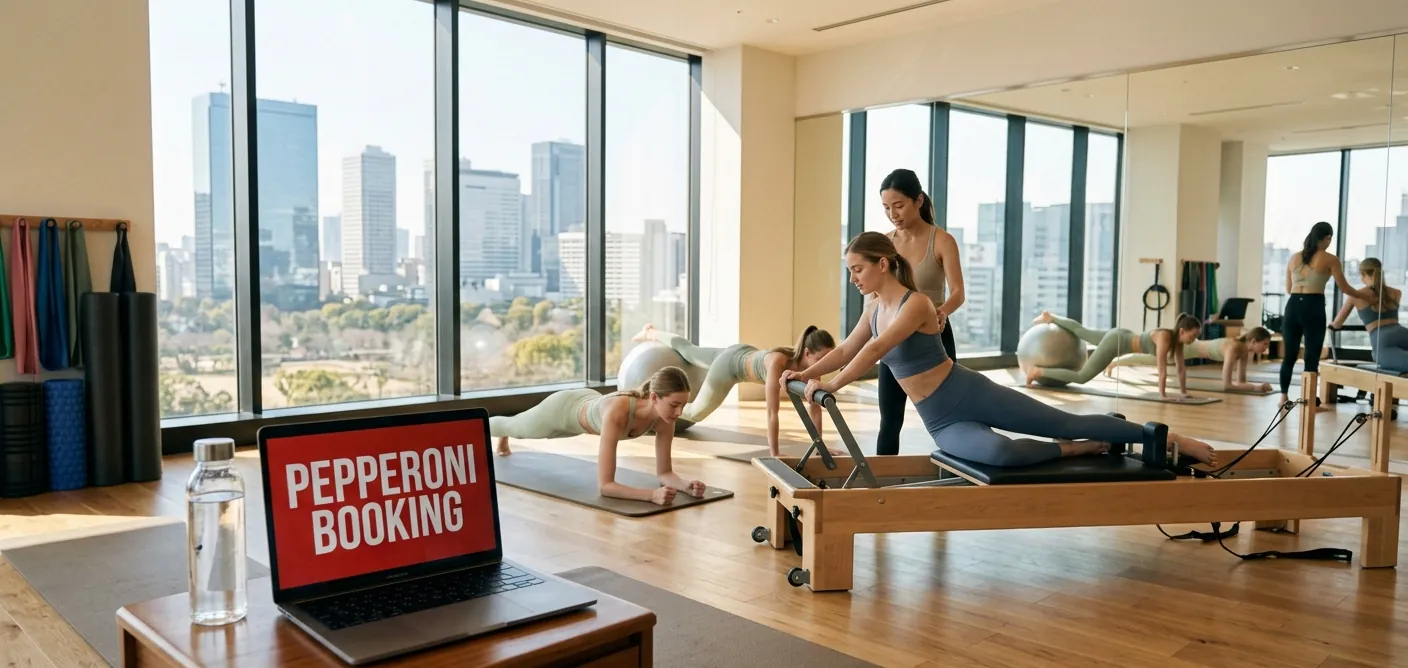
Leasing pilatesových reformerů snižuje počáteční náklady o 60–70 % ve srovnání s nákupem.
Průměrné leasingové náklady se v roce 2026 pohybují mezi 2 700 Kč a 8 000 Kč za reformer měsíčně.
Integrujte leasing se softwarem pro správu studia, abyste maximalizovali návratnost investic a zefektivnili provoz.
Vyjednávejte plnoservisní leasingy, které zahrnují údržbu a snižují neočekávané náklady na opravy.
Reformery a software poháněné umělou inteligencí transformují leasing a nabízejí prediktivní údržbu a personalizované programy pro klienty.
Proč je leasing pilatesových reformerů chytrým finančním krokem v roce 2026
Leasing pilatesových reformerů v roce 2026 umožňuje majitelům studií přístup k prémiovému vybavení bez počátečních kapitálových výdajů. S tím, jak se globální trh s vybavením pro pilates očekává růst tempem 6,2 % CAGR do roku 2026, musí studia vyvážit kvalitu vybavení s finanční flexibilitou. Leasing poskytuje předvídatelné měsíční náklady, daňové výhody a možnost upgradovat vybavení s vývojem technologií.
Pro studia s 10–15 reformery může leasing snížit počáteční náklady o 60–70 % ve srovnání s přímým nákupem. Toto zachování kapitálu umožňuje investice do softwaru pro plánování lekcí pilates, školení instruktorů a strategií pro získávání klientů. V roce 2026 uvádí 42 % butikových studií, že si pronajímá alespoň 50 % svého vybavení, což je nárůst z 28 % v roce 2022.
Leasing také odpovídá rostoucímu trendu "zařízení jako služby" ve fitness průmyslu. Studia mohou získat komerčně kvalitní reformery s zahrnutou údržbou, což snižuje prostoje a náklady na opravy. Tento model je zvláště výhodný pro studia nabízející lekce Gyrotonic® nebo Gyrokinesis®, kde specializované vybavení vyžaduje časté aktualizace.
Kolik stojí leasing pilatesových reformerů v roce 2026?
Náklady na leasing pilatesových reformerů v roce 2026 se liší podle kvality vybavení, délky leasingové smlouvy a umístění studia. V průměru mohou studia očekávat platbu mezi 2 700 Kč a 8 000 Kč za reformer měsíčně. Vysoce kvalitní komerční reformery s pokročilými funkcemi mohou stát až 11 500 Kč měsíčně, zatímco základní modely začínají na 1 800 Kč měsíčně.
Zde je přehled typických leasingových nákladů pro studio s 12 reformery:
Základní reformery: 22 000–33 000 Kč/měsíc (1 800–2 700 Kč za jednotku)
Leasingové smlouvy obvykle trvají 24 až 60 měsíců, přičemž delší smlouvy nabízejí nižší měsíční platby. Studia v městských oblastech mohou čelit vyšším nákladům kvůli poptávce, zatímco venkovská studia mohou získat výhodnější sazby. Některé leasingové společnosti nabízejí balíčky, které zahrnují věže, židle a malé vybavení, což může snížit náklady na jednotku o 10–15 %.
Tip
Vždy vyjednávejte leasingové podmínky tak, aby zahrnovaly údržbu a opravy. "Plnoservisní leasing" může ušetřit studiím 35 000–70 000 Kč ročně na neočekávaných nákladech na opravy.
Jaké faktory ovlivňují ceny leasingu pilatesových reformerů?
Několik klíčových faktorů určuje náklady na leasing pilatesových reformerů v roce 2026:
1Kvalita a značka vybavení: Prémiové značky jako Balanced Body, Gratz a Peak Pilates mají vyšší leasingové sazby díky své odolnosti a zůstatkové hodnotě.
2Délka leasingové smlouvy: Delší smlouvy (48–60 měsíců) obvykle nabízejí nižší měsíční platby, ale mohou zahrnovat vyšší úrokové sazby.
3Umístění studia: Městská studia v oblastech s vysokou poptávkou mohou čelit prémiovým cenám, zatímco venkovská studia často získají výhodnější sazby.
4Údržba a pojištění: Plnoservisní leasingy, které zahrnují údržbu a pojištění, jsou o 15–20 % dražší, ale snižují provozní rizika.
5Stáří vybavení: Novější modely s pokročilými funkcemi (např. chytré připojení, nastavitelný odpor) stojí více než starší modely.
6Struktura leasingu: Leasingy s férovou tržní hodnotou nabízejí nižší měsíční platby, ale mohou vyžadovat vysokou splátku na konci, zatímco leasingy s odkupem za 1 Kč umožňují vlastnictví na konci smlouvy.
Pro studia nabízející lekce Gyrotonic® nebo Gyrokinesis® může specializované vybavení jako Gyrotoner® nebo Jumping-Stretching Board zvýšit leasingové náklady o 25–30 %. Tyto nástroje však mohou odůvodnit vyšší ceny lekcí, což zlepšuje celkovou ziskovost.
Jak se leasingové náklady srovnávají s nákupem reformerů?
Leasing pilatesových reformerů nabízí výrazné finanční výhody oproti nákupu, zejména pro studia zaměřená na cash flow a flexibilitu. Středně kvalitní reformer, který stojí 115 000 Kč při nákupu, může stát při leasingu 4 100–5 700 Kč měsíčně po dobu 36 měsíců, což celkem činí 149 000–207 000 Kč. I když se to může zdát dražší na první pohled, leasing poskytuje několik výhod:
Nižší počáteční investice: Leasing vyžaduje malou nebo žádnou zálohu, což zachovává kapitál pro marketing, personál nebo software pro správu studia.
Daňové výhody: Leasingové platby jsou často 100% daňově odpočitatelné jako provozní náklady, což snižuje zdanitelný příjem.
Upgrady vybavení: Leasing umožňuje studiím upgradovat vybavení každé 3–5 let a zajistit tak přístup k nejnovějším technologiím.
Zahrnutí údržby: Mnoho leasingů zahrnuje údržbu, což snižuje neočekávané náklady na opravy.
Předvídatelnost cash flow: Pevné měsíční platby zjednodušují rozpočtování a finanční plánování.
Nákup reformerů může být nákladově efektivnější pro studia se stabilním cash flow a dlouhodobými potřebami vybavení. Celkové náklady na vlastnictví – včetně údržby, oprav a případné výměny – však mohou přesáhnout leasingové náklady o 20–30 % během pěti let. Pro studia upřednostňující flexibilitu a škálovatelnost zůstává leasing v roce 2026 preferovanou možností.
Jak vybrat správnou leasingovou společnost pro pilatesové reformery
Výběr správné leasingové společnosti je klíčový pro získání výhodných podmínek a kvalitního vybavení. V roce 2026 by studia měla hodnotit leasingové poskytovatele podle následujících kritérií:
1Specializace v oboru: Vyberte společnosti se zkušenostmi s leasingem vybavení pro pilates, Gyrotonic® nebo fitness. Tito poskytovatelé rozumí specifickým potřebám pohybových studií a nabízejí přizpůsobená řešení.
2Možnosti vybavení: Hledejte leasingové společnosti, které nabízejí širokou škálu značek a modelů, včetně komerčně kvalitních reformerů s pokročilými funkcemi.
3Flexibilita leasingu: Hledejte poskytovatele, kteří nabízejí přizpůsobitelné leasingové podmínky, včetně férové tržní hodnoty, odkupu za 1 Kč a možností předčasného upgradu.
4Údržba a podpora: Upřednostňujte společnosti, které zahrnují údržbu, opravy a výměnu vybavení ve svých leasingových balíčcích.
5Kvalita zákaznického servisu: Zhodnoťte rychlost reakce a kvalitu podpory poskytovatele. Přečtěte si recenze a požádejte o reference od jiných majitelů studií.
6Finanční stabilita: Spolupracujte s finančně stabilními leasingovými společnostmi, abyste předešli narušením služeb nebo dostupnosti vybavení.
Před podpisem leasingové smlouvy by studia měla požádat o nabídky od alespoň tří poskytovatelů. Porovnejte nejen měsíční platby, ale také celkové náklady na leasing, pokrytí údržby a politiky upgradů. Některé leasingové společnosti nabízejí balíčky, které zahrnují software pro rezervace v pilates studiu, což dále zjednodušuje provoz studia.
Varování
Vyhněte se leasingovým společnostem, které vyžadují osobní záruky nebo nadměrné zálohy. Tyto podmínky mohou vystavit majitele studií zbytečnému finančnímu riziku.
Jaké otázky byste měli položit leasingové společnosti pro pilatesové reformery?
Při hodnocení leasingových společností položte tyto klíčové otázky, abyste zajistili nejlepší podmínky pro vaše studio:
Jaké značky a modely pilatesových reformerů nabízíte k leasingu?
Je údržba a opravy zahrnuta v leasingu, nebo se účtují zvlášť?
Jaké jsou celkové náklady na leasing, včetně úroků a poplatků?
Mohu upgradovat vybavení před koncem leasingové smlouvy? Pokud ano, jaké jsou náklady?
Co se stane, pokud je vybavení poškozeno nebo potřebuje výměnu?
Jsou nějaké sankce za předčasné ukončení leasingu?
Nabízíte balíčky, které zahrnují software nebo další vybavení pro studio?
Jaké jsou požadavky na pojištění pronajatého vybavení?
Mohu vybavení na konci leasingu odkoupit, a pokud ano, za jakou cenu?
Pepperoni Booking snížilo své leasingové náklady o 18 % vyjednáním balíčku, který zahrnoval reformery, věže a software pro studio Gyrotonic. Studio také získalo 12měsíční záruku na údržbu, což snížilo neočekávané náklady na opravy.
Jak maximalizovat návratnost investic do leasingu pilatesových reformerů
Leasing pilatesových reformerů je investicí do růstu vašeho studia a maximalizace návratnosti investic vyžaduje strategické plánování. Zde je pět osvědčených strategií, jak zajistit, aby vaše leasingové náklady přinesly co nejvyšší možný výnos:
1Optimalizujte rozvrh lekcí: Použijte software pro plánování lekcí pilates, abyste maximalizovali využití reformerů. Studia, která plánují lekce každých 45–60 minut, mohou zvýšit příjmy na reformer o 25–30 %.
2Nabízejte prémiové lekce: Využijte pronajaté reformery k zavedení vysoce hodnotných lekcí, jako je reformer pilates, Gyrotonic® nebo soukromé lekce. Tyto lekce mohou mít o 20–40 % vyšší ceny než lekce na podložce.
3Kombinujte leasing se softwarem: Některé leasingové společnosti nabízejí slevy při kombinaci vybavení se softwarem pro správu studia. Tato integrace může snížit administrativní náklady o 15–20 %.
4Využívejte daňové výhody: Konzultujte s daňovým poradcem, abyste maximalizovali odpočty za leasingové platby, údržbu a upgrady vybavení. V roce 2026 mohou studia odečíst až 100 % leasingových plateb jako provozní náklady.
5Sledujte výkon vybavení: Sledujte využití reformerů a zpětnou vazbu od klientů, abyste identifikovali málo využívané nebo zastaralé vybavení. Upgradujte nebo vyměňte vybavení podle potřeby, abyste udrželi spokojenost klientů a příjmy.
Pro studia nabízející lekce Gyrotonic® nebo Gyrokinesis® může pronajaté vybavení být klíčovým rozdílovým prvkem. Tyto specializované nástroje přitahují klienty z určitého okruhu, kteří jsou ochotni platit prémiové ceny, což zlepšuje celkovou ziskovost. Studia, která investují do školení instruktorů pro specializované vybavení, uvádějí 30% nárůst udržení klientů.
Jak může software zlepšit návratnost investic do leasingu pilatesových reformerů?
Integrace softwaru pro pilates studio s vašimi pronajatými reformery může výrazně zvýšit návratnost investic zefektivněním provozu a zlepšením zážitku klientů. Zde je návod:
Automatizované plánování: Snižte počet neúčastí a zrušení pomocí automatických upomínek a správy čekacích seznamů. Studia používající software pro rezervace uvádějí 20% snížení zmeškaných lekcí.
Optimalizace kapacity lekcí: Použijte rezervace na konkrétní místa k maximalizaci využití reformerů. Studia, která zaplní 90 % a více míst na reformerech, zaznamenávají 15–20% nárůst příjmů na lekci.
Správa klientů: Sledujte pokrok a preference klientů, abyste personalizovali sezení. Studia, která používají poznámky o klientech a automatické následné kontakty, uvádějí 25% nárůst udržení klientů.
Zpracování plateb: Automatizujte platby a fakturaci, abyste snížili administrativní zátěž. Studia používající integrované zpracování plateb ušetří 10–15 hodin měsíčně na fakturaci.
Rozhodování na základě dat: Analyzujte docházku na lekce, příjmy a využití vybavení, abyste optimalizovali rozvrhy a ceny. Studia, která využívají data, zaznamenávají 12–18% nárůst ziskovosti.
Pepperoni Booking implementovalo software pro plánování lekcí pilates spolu se svým programem leasingu reformerů, což zvýšilo obsazenost lekcí o 35 % a snížilo administrativní náklady o 22 %. Studio také zavedlo automatizované čekací seznamy, které zaplnily 90 % zrušených míst do 24 hodin.
Jaké jsou skryté náklady leasingu pilatesových reformerů?
I když leasing pilatesových reformerů nabízí finanční flexibilitu, studia musí zohlednit skryté náklady, které mohou ovlivnit ziskovost. Zde jsou nejčastější výdaje, které je třeba zvážit:
Pojištění: Většina leasingových společností vyžaduje, aby studia měla pojištění vybavení, což může stát 11 500–35 000 Kč ročně.
Doprava a instalace: Někteří poskytovatelé účtují 4 600–11 500 Kč za reformer za dopravu, montáž a kalibraci.
Poplatky za předčasné ukončení: Ukončení leasingu předčasně může vést k sankcím ve výši 20–50 % zbývajících leasingových plateb.
Nadměrné opotřebení: Studia mohou čelit poplatkům za poškození přesahující běžné opotřebení, jako je roztržené čalounění nebo zlomené pružiny.
Daňové dopady: I když jsou leasingové platby daňově odpočitatelné, studia by měla konzultovat daňového poradce, aby zajistila dodržení místních předpisů.
Integrace softwaru: Integrace pronajatého vybavení se softwarem pro správu studia může vyžadovat další poplatky za nastavení nebo vlastní vývoj.
Náklady na školení: Instruktoři mohou potřebovat školení pro používání pokročilých funkcí reformerů, což může stát 4 600–11 500 Kč za školení.
Pro snížení těchto nákladů by studia měla:
Vyjednat zahrnutí pojištění do leasingové smlouvy.
Požádat o nabídky na dopravu a instalaci předem.
Zvolit leasingové podmínky, které odpovídají růstovým plánům studia.
Investovat do ochranných krytů a údržby vybavení, aby se snížilo opotřebení.
Jak se vyhnout běžným chybám při leasingu pilatesových reformerů
Leasing pilatesových reformerů může být pro studia přelomový, ale běžné chyby mohou podkopat jeho výhody. Zde je návod, jak se jim vyhnout:
1Přílišné zavázání k dlouhým leasingovým smlouvám: Studia, která se zavážou k 60měsíčním smlouvám, mohou mít problémy s upgradováním vybavení nebo přizpůsobováním se měnícím se preferencím klientů. Zvolte smlouvy na 24–36 měsíců, abyste si udrželi flexibilitu.
2Ignorování nákladů na údržbu: Leasingy, které nezahrnují údržbu, mohou vést k neočekávaným účtům za opravy. Vždy vyjednávejte plnoservisní leasingy, které zahrnují opravy a výměny.
3Podceňování požadavků na pojištění: Nedostatečné pojištění může vést k nákladným sankcím. Spolupracujte se svým leasingovým poskytovatelem, abyste pochopili potřeby pojištění.
4Nesledování využití vybavení: Studia, která nesledují využití reformerů, mohou přeplácet za málo využívané vybavení. Použijte software pro správu studia, abyste sledovali využití a optimalizovali rozvrhy.
5Přeskočení drobného písma: Leasingové smlouvy často obsahují skryté poplatky nebo sankce. Projděte smlouvy s právním odborníkem, abyste se vyhnuli překvapením.
6Zanedbání školení instruktorů: Bez řádného školení mohou instruktoři nesprávně používat vybavení, což vede k poškození nebo zranění klientů. Investujte do certifikačních programů pro lekce na reformerech.
Pepperoni Booking se těmto nástrahám vyhnulo vyjednáním 36měsíční smlouvy se zahrnutou údržbou a pojištěním. Studio také použilo software pro plánování lekcí pilates ke sledování využití reformerů, čímž zajistilo optimální využití a návratnost investic.
Budoucnost leasingu pilatesových reformerů: Trendy pro rok 2026
Trh s leasingem pilatesových reformerů se rychle vyvíjí, přičemž trendy pro rok 2026 se zaměřují na flexibilitu, integraci technologií a udržitelnost. Zde je to, co majitelé studií potřebují vědět:
Chytré reformery: Leasingové společnosti stále častěji nabízejí reformery s vestavěnými senzory a konektivitou. Tyto chytré reformery sledují pokrok klientů, poskytují zpětnou vazbu v reálném čase a integrují se se softwarem pro správu studia.
Leasing na bázi předplatného: Někteří poskytovatelé nyní nabízejí modely předplatného, které umožňují studiím platit měsíční poplatky za přístup k rotujícímu inventáři vybavení. Tento model je ideální pro studia testující nové formáty lekcí.
Iniciativy udržitelnosti: Leasingové společnosti upřednostňují ekologické vybavení vyrobené z recyklovaných materiálů. Studia, která si pronajímají udržitelné reformery, mohou propagovat svůj závazek k environmentální odpovědnosti a přitahovat ekologicky uvědomělé klienty.
Balíčky softwaru: Více leasingových společností spolupracuje s poskytovateli softwaru pro pilates, aby nabízelo balíčky. Tyto balíčky zahrnují vybavení, software a údržbu, což zjednodušuje provoz studia.
Flexibilní možnosti upgradu: Leasingoví poskytovatelé zavádějí flexibilnější politiky upgradů, které umožňují studiím vyměňovat vybavení s vývojem preferencí klientů. Tento trend je zvláště relevantní pro studia nabízející lekce Gyrotonic® nebo Gyrokinesis®.
Pro studia tyto trendy představují příležitosti ke zlepšení zážitku klientů, snížení nákladů a udržení náskoku před konkurencí. Využitím chytrých reformerů a integrovaného softwaru mohou studia nabízet personalizované, datově řízené lekce, které zlepšují udržení klientů a příjmy.
Jak ovlivní umělá inteligence leasing pilatesových reformerů v roce 2026?
Umělá inteligence (AI) transformuje průmysl pilates a leasing není výjimkou. V roce 2026 se reformery a software poháněné AI stávají standardem a nabízejí studiím nové způsoby, jak optimalizovat provoz a zážitek klientů. Zde je návod, jak AI formuje budoucnost leasingu reformerů:
Prediktivní údržba: Senzory poháněné AI v reformerech mohou předvídat poruchy vybavení před jejich výskytem, což snižuje prostoje a náklady na opravy. Leasingové společnosti stále častěji nabízejí balíčky údržby řízené AI.
Personalizované programy pro klienty: AI analyzuje data klientů a vytváří přizpůsobené programy pilates, což zlepšuje výsledky a udržení. Studia používající software pro pilates poháněný AI uvádějí 30% nárůst spokojenosti klientů.
Dynamické ceny: Nástroje AI upravují ceny lekcí na základě poptávky, čímž maximalizují příjmy na reformer. Studia, která implementují dynamické ceny, zaznamenávají 15–20% nárůst ziskovosti.
Automatizované plánování: AI optimalizuje rozvrhy lekcí tak, aby maximalizovala využití reformerů a dostupnost instruktorů. Studia používající plánování řízené AI uvádějí 25% snížení neúčastí.
Sledování pokroku klientů: Reformery poháněné AI sledují pohyby klientů a poskytují zpětnou vazbu v reálném čase, čímž zlepšují zážitek klienta. Studia, která nabízejí lekce řízené AI, přitahují technologicky zdatné klienty ochotné platit prémiové ceny.
Pro studia již není integrace AI volitelná – je to konkurenční nutnost. Leasing reformerů a softwaru poháněného AI umožňuje studiím přístup k nejmodernějším technologiím bez počátečních nákladů na nákup. S růstem adopce AI budou studia, která tyto nástroje přijmou, vést průmysl v oblasti spokojenosti klientů a růstu příjmů.
Závěrečné myšlenky: Je leasing pilatesových reformerů správný pro vaše studio?
Leasing pilatesových reformerů v roce 2026 nabízí studiím flexibilní a nákladově efektivní způsob, jak získat vysoce kvalitní vybavení při zachování kapitálu pro růst. Pochopením leasingových nákladů, vyjednáváním výhodných podmínek a integrací softwarových řešení mohou studia maximalizovat návratnost investic a zlepšit zážitek klientů. Ať už zakládáte nové studio nebo rozšiřujete stávající, leasing poskytuje agilitu potřebnou k přizpůsobení se průmyslovým trendům a požadavkům klientů.
Pro studia nabízející specializované lekce jako Gyrotonic® nebo Gyrokinesis® je leasing obzvláště výhodný. Umožňuje přístup k specializovanému vybavení bez finanční zátěže vlastnictví. S tím, jak se AI a chytré technologie stávají běžnějšími, bude se leasing dále vyvíjet a nabízet studiím nové příležitosti k inovacím a růstu.
Nakonec závisí rozhodnutí, zda si reformery pronajmout nebo koupit, na finančních cílech vašeho studia, růstových plánech a klientské základně. Zvážením výhod a nevýhod a využitím strategií uvedených v tomto průvodci můžete učinit informované rozhodnutí, které podpoří dlouhodobý úspěch vašeho studia.
Každé místo obsazené, každá platba evidovaná — bez tabulek.
21denní zkušební verze zdarma · Bez nutnosti platební karty
Leasing pilatesových reformerů nabízí studiím významné daňové výhody. V roce 2026 jsou leasingové platby obvykle 100% daňově odpočitatelné jako provozní náklady, což snižuje zdanitelný příjem. Tento odpočet může snížit daňovou povinnost studia o 20–30 % v závislosti na místních předpisech. Leasing navíc zachovává kapitál, což umožňuje studiím investovat do růstových iniciativ, jako je marketing nebo školení instruktorů. Pro maximalizaci odpočtů a zajištění dodržení místních daňových zákonů se poraďte s daňovým poradcem.
Pro vyjednání nejlepších leasingových podmínek začněte požádáním o nabídky od alespoň tří poskytovatelů. Porovnejte nejen měsíční platby, ale také celkové náklady na leasing, pokrytí údržby a politiky upgradů. Vyjednávejte plnoservisní leasingy, které zahrnují údržbu a pojištění, a vyhněte se osobním zárukám nebo nadměrným zálohám. Zeptejte se na balíčky, které zahrnují software nebo další vybavení, protože ty mohou snížit celkové náklady. Nakonec si nechte smlouvy zkontrolovat právním odborníkem, abyste se vyhnuli skrytým poplatkům nebo sankcím.
Pokud se pronajatý pilatesový reformer porouchá, reakce leasingové společnosti závisí na vaší leasingové smlouvě. Plnoservisní leasingy obvykle zahrnují údržbu a opravy, takže poskytovatel pokryje náklady na opravu nebo výměnu vybavení. Studia však mohou stále čelit prostojům, které mohou ovlivnit rozvrh lekcí a příjmy. Abyste minimalizovali narušení, vyberte leasingovou společnost s dobrou reputací v oblasti rychlosti reakce a zahrňte záruky na údržbu do své smlouvy. Někteří poskytovatelé nabízejí náhradní vybavení během oprav.
Ano, mnoho leasingových společností nabízí možnosti upgradu před koncem leasingové smlouvy, ale podmínky se liší. Někteří poskytovatelé umožňují upgrade kdykoli za poplatek, zatímco jiní vyžadují, aby studia počkala na konkrétní milník (např. 12 nebo 24 měsíců). Předčasný upgrade může vést k vyšším měsíčním platbám nebo poplatku, proto si pečlivě prohlédněte svou leasingovou smlouvu. Studia nabízející specializované lekce jako Gyrotonic® nebo Gyrokinesis® mohou těžit z upgradu na novější modely s pokročilými funkcemi.
Leasing pilatesových reformerů zlepšuje cash flow tím, že eliminuje velké počáteční náklady a nahrazuje je předvídatelnými měsíčními platbami. Tento model zachovává kapitál pro další výdaje, jako je marketing, personál nebo software. Leasing také poskytuje daňové výhody, protože platby jsou obvykle 100% daňově odpočitatelné. Studia však musí rozpočítat další náklady, jako je pojištění, doprava a údržba. Integrací leasingu se softwarem pro plánování lekcí pilates mohou studia dále optimalizovat cash flow snížením administrativní zátěže a maximalizací příjmů z lekcí.
Připojte se k majitelům studií, kteří se učí provozovat klidnější a lépe organizovaná studia.
Obsah
Související články
pilates
Jak provozovat ziskové Pilates studio
Daishin Murooka·
pilates
Daňové odpočty pro Pilates studia: Maximalizace odpisů pro majitele v roce 2026
Daishin Murooka·
pilates retreat planning
Jak naplánovat ziskový Pilates retreat
Daishin Murooka·
Předběžný přístup k dispoziciŘešení podle kategorií
Připraveni proměnit své Grow Revenue?
Přímo spolupracujeme s prvními 100 zakládajícími studii — butikovými studii, která formují budoucnost našeho vývoje. Pokud toto odpovídá profilu vašeho studia, zkušební verze je vám otevřena.
Automatizované rezervace a plánování, které vám každý týden ušetří hodiny
Chytré nástroje pro správu lekcí navržené pro majitele studií
Analytika v reálném čase pro sledování růstu a optimalizaci provozu