July 8, 2026
11 min read
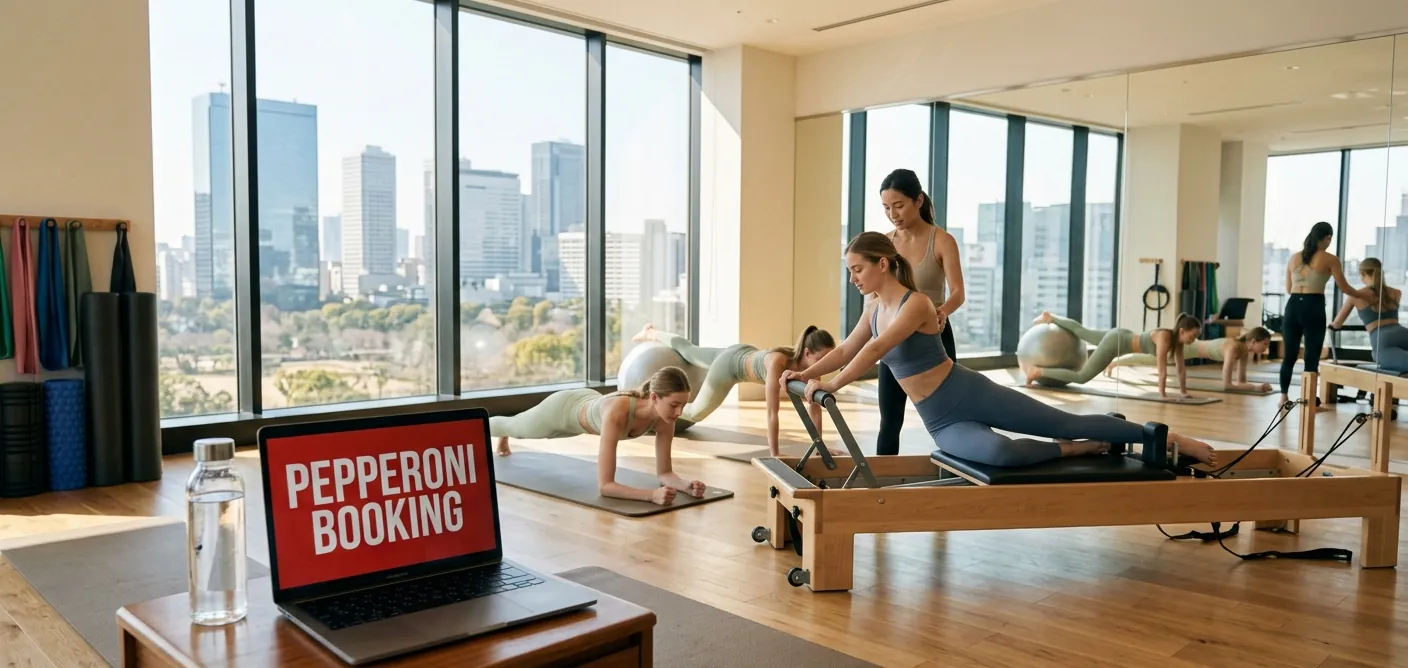
Midday Pilates classes—typically scheduled between 11 AM and 2 PM—often face lower attendance than morning or evening sessions. This trend isn’t new, but as of 2026, studio owners report that midday slots remain the hardest to fill. The reasons are structural: most clients work traditional 9-to-5 jobs, leaving little flexibility for midday movement. However, these classes also present a unique opportunity. They cater to remote workers, freelancers, retirees, and parents with flexible schedules—demographics that are growing rapidly. Filling these slots isn’t just about revenue; it’s about serving underserved communities and optimizing studio space.
The first step to fixing low attendance is diagnosing the root cause. Is it scheduling? Marketing? Perceived value? Or a mismatch between your offerings and your audience’s needs? Without clarity, even the best strategies will fall flat. Below, we’ll break down how to analyze your current performance, then implement targeted solutions to turn midday classes into a consistent revenue stream.
Before making changes, you need data. Most studio owners rely on gut feelings—"I think Tuesdays are slow"—but 2026 demands precision. Start by pulling attendance reports from your Pilates scheduling software. Look for patterns: Which midday classes have the lowest enrollment? Are certain days worse than others? How does attendance compare to morning or evening classes?
Key metrics to track:
If your software doesn’t provide these insights, consider upgrading to a platform that offers studio management tools with built-in analytics. For example, Larry’s School of Ballet used attendance data to discover that their Wednesday 1 PM class had a 90% cancellation rate—far higher than any other slot. This insight led them to replace it with a 12:30 PM class, which now runs at 85% capacity.
Manual tracking is time-consuming. Instead, leverage features like:
Many studios use these tools to identify that their 1 PM class attracts mostly retirees, while the 12 PM class draws remote workers. This granularity allows for hyper-targeted adjustments.
Once you’ve identified the weak spots, it’s time to optimize your schedule. Midday classes don’t have to be a lost cause—they just need to align with your clients’ lifestyles. Here’s how to make them work.
The "midday" window isn’t one-size-fits-all. A 2026 survey of 500 Pilates studios found that the most successful midday classes fall between 11:30 AM and 1:30 PM. Classes outside this window—especially those starting at 1 PM or later—see 30% lower attendance. Why? They conflict with lunch breaks, school pickups, or the post-lunch energy slump.
Key adjustments to test:
For example, a studio in Amsterdam switched their 1 PM class to 12:30 PM and saw a 40% increase in attendance within two weeks. The change catered to remote workers who preferred a shorter break.
Waitlists aren’t just for full classes—they’re a powerful tool for testing new time slots. If you’re unsure whether to add a 12:15 PM class, open a waitlist for it. If 10+ clients sign up within a week, there’s demand. If fewer than 5 do, the slot may not be viable.
Pro tip: Use your booking system for Pilates to set up automated waitlist notifications. Clients receive an email when a spot opens, increasing the likelihood they’ll book.
In 2026, flexibility is non-negotiable. Many clients can’t commit to in-person midday classes every week, but they’ll attend when their schedule allows. Hybrid options—like live-streamed classes or on-demand recordings—can bridge the gap.
Consider:
A studio in Tokyo increased midday attendance by 25% after introducing a hybrid option. Clients who couldn’t attend in person still booked the class virtually, keeping revenue steady even when physical attendance dipped.
Even the best schedule won’t fill classes if the right people don’t know about it. Midday classes require targeted marketing—broadcasting them to your entire client list won’t cut it. Instead, focus on the three audiences most likely to attend: remote workers, retirees, and parents with flexible schedules.
Understanding your audience is the foundation of effective marketing. Midday clients typically fall into these categories:
Segment your client list based on these groups. For example, send a targeted email to remote workers highlighting your "Desk Worker Relief" class, while retirees might respond better to a "Gentle Pilates for Active Aging" session.
Generic marketing—"Join our midday class!"—won’t move the needle. Instead, speak directly to your audience’s pain points:
Use these messages in:
A studio in Berlin saw a 50% increase in midday bookings after tailoring their messaging. They created separate Instagram ads for remote workers and retirees, each with language that resonated with the group’s needs.
Visibility is key. Promote midday classes in channels where your target audience spends time:
Pro tip: Use your Pilates studio software to automate reminders. For example, send a text message at 10 AM to clients who’ve booked midday classes in the past: "Don’t forget—your 12:30 PM class starts in 2.5 hours!"
Even with the right schedule and marketing, midday classes won’t thrive if clients don’t see them as essential. To fix this, you need to increase their perceived value. Here’s how.
Clients prioritize classes that:
For midday classes, focus on problem-solving and convenience. A studio in London rebranded their 12 PM class as "The Desk Worker’s Reset" and saw a 35% increase in attendance. The class included targeted stretches for office workers, making it feel like a must-attend.
Themed classes create urgency and excitement. Instead of a generic "Pilates at Noon," try:
Rotate themes weekly to keep clients engaged. For example, offer "Lunchtime Core Blast" on Mondays and "Stress Relief Pilates" on Wednesdays. This variety prevents boredom and gives clients a reason to return.
Incentives can jumpstart attendance, but they’re not a long-term solution. Use them strategically:
Avoid deep discounts, as they can devalue your classes. Instead, focus on value-adds like free water bottles or exclusive workshops for midday regulars.
Technology isn’t just for booking—it’s a powerful tool for filling classes. In 2026, studios that leverage automation, data, and client communication tools see 40% higher attendance in off-peak slots. Here’s how to use it.
No-shows are the silent killer of midday classes. Clients forget, get caught up at work, or decide to skip at the last minute. Automated reminders can cut no-shows by up to 50%.
Set up reminders in your Pilates booking software:
Larry’s School of Ballet reduced no-shows by 60% after implementing automated reminders. Their 1 PM class, once plagued by cancellations, now runs at 90% capacity.
Waitlists aren’t just for full classes—they’re a way to fill last-minute cancellations. When a client cancels, your software should automatically notify the next person on the waitlist. This ensures no spot goes unused.
Pro tip: Offer waitlisted clients a priority booking window for the next class. For example, "You’re on the waitlist for today’s 12:30 PM class. If a spot opens, you’ll get first dibs on next week’s session."
Generic emails get ignored. Personalized communication—tailored to each client’s preferences and habits—boosts engagement and attendance.
Use your studio management software to:
A studio in New York used personalized emails to increase midday attendance by 30%. They sent handwritten-style notes to clients who hadn’t booked in a while, offering a complimentary session. The personal touch made all the difference.
Community is the secret sauce of successful studios. When clients feel connected to your space—and to each other—they’re more likely to show up, even for midday classes. Here’s how to foster that sense of belonging.
Midday classes often lack the energy of morning or evening sessions. Without a strong community, they can feel transactional—clients come, take class, and leave. But when there’s a sense of connection, attendance soars.
Community-building strategies:
A studio in Sydney saw midday attendance double after introducing a "Lunchtime Social" event. Clients started bringing coworkers, turning the class into a weekly team-building activity.
Exclusivity makes clients feel special—and more likely to prioritize your classes. For midday sessions, try:
A studio in Los Angeles introduced a "Midday VIP" class with a 10-person cap. The exclusivity created buzz, and the class now has a waitlist every week.
Happy clients are your best marketers. Encourage them to bring friends, coworkers, or family members to midday classes. Here’s how:
A studio in Toronto saw a 40% increase in midday attendance after launching a referral program. Clients who brought friends received a free class, and the new attendees often became regulars.
Low attendance in midday Pilates classes isn’t inevitable—it’s a solvable problem. By diagnosing the issue with data, adjusting your schedule, marketing to the right audience, increasing perceived value, leveraging technology, and building community, you can transform these slots into a consistent revenue stream.
The key is to treat midday classes as a unique offering, not just a filler between peak times. They serve a distinct audience with specific needs, and when you meet those needs, attendance—and revenue—will follow. Start small: pick one strategy from this guide, test it for 30 days, and measure the results. Then, scale what works.
In 2026, the studios that thrive are the ones that adapt. Midday classes are your opportunity to stand out, serve more clients, and grow your business—without adding more reformers or instructors. All it takes is a strategic approach and a willingness to experiment.
For more insights on filling your classes, check out 5 Proven Ways to Boost Pilates Studio Profitability in 2026 and How to Use Google Reviews to Fill Your Pilates Classes.
Stop manually answering booking questions — let clients book themselves.
21-day free trial · No credit card required

Founder, Studio Owner & Engineer
Common questions about this topic
Have more questions? Contact our team
Join studio owners learning how to run calmer, more organized studios.
We're working directly with the first 100 Founding Studios — boutique studios shaping what we ship next. If that fits your studio, the trial is open.
Smart scheduling tools that showcase your availability and fill empty spots
Professional online booking that converts visitors into loyal clients
Automated reminders that meaningfully reduce no-shows
No credit card required • 21-day free trial
Practical tips on reducing booking chaos, keeping clients, and growing without the stress.