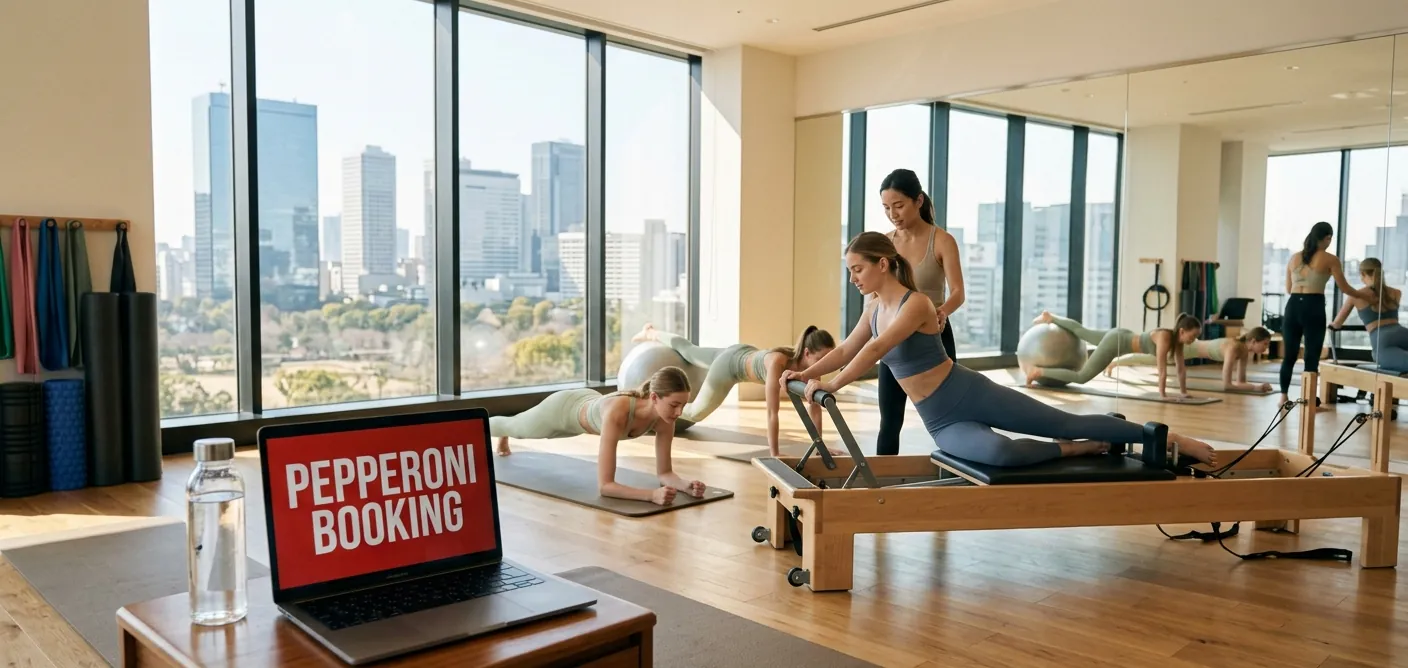
Tiered pricing attracts diverse clients while protecting profit margins.
Capacity-based pricing maximizes revenue per reformer without discounting.
Private and semi-private sessions offer the highest profit margins.
Automated tools streamline pricing adjustments and reduce administrative work.
Align pricing with your studio’s brand and long-term goals for sustainable growth.
Why Reformer Pricing Is Your Studio’s Hidden Profit Lever
Pilates reformers are the backbone of your studio’s revenue. Yet most owners treat pricing as an afterthought—sticking to outdated models that leave money on the table. As of 2026, studios using dynamic pricing strategies report 22% higher revenue per reformer than those relying on flat-rate class fees. The difference? Data-driven decisions that align pricing with client demand, instructor expertise, and studio capacity.
Reformer pricing isn’t just about covering costs. It’s about positioning your studio as a premium experience while maximizing every available spot. Studios that optimize pricing see higher client retention, fewer no-shows, and stronger cash flow. The key is balancing accessibility with profitability—without undervaluing your services.
This guide will show you how to transform your reformer pricing into a strategic asset. You’ll learn how to:
Structure tiered pricing that appeals to different client segments
Use capacity-based pricing to fill classes without discounting
Leverage private and semi-private sessions for higher margins
Implement automated tools to streamline pricing adjustments
Align pricing with your studio’s brand and long-term goals
Tip
Pricing isn’t static. The most profitable studios review their reformer pricing quarterly, adjusting for seasonality, demand, and instructor availability.
How to Structure Tiered Reformer Pricing for Maximum Appeal
Tiered pricing lets you cater to different client needs while protecting your bottom line. The most effective models use 3-4 tiers, each targeting a specific segment. Here’s how to design yours:
1. Entry-Level Tier: Attract New Clients Without Undercutting Value
This tier is for first-time clients or those testing your studio. Offer a low-commitment option like a single-class pass or a 3-class intro pack. Price it 10-15% below your standard rate to reduce friction. Example:
Single class: [] (vs. [] standard)
3-class pack: [] (saves [] vs. single classes)
Warning
Avoid making the intro tier too cheap. It can devalue your brand and attract bargain hunters who won’t convert to long-term clients.
2. Standard Tier: Your Core Revenue Driver
This is where most of your clients will land. Price it to reflect your studio’s quality while remaining competitive in your market. Consider:
Drop-in rate: []-[] per class
10-class pack: []-[] (10-15% discount)
Monthly unlimited: []-[] (best for frequent clients)
Many studios use Pilates scheduling software to automate package tracking and reminders, reducing administrative overhead.
3. Premium Tier: High-Value Offerings for Loyal Clients
This tier targets clients who want exclusivity. Offer perks like priority booking, smaller class sizes, or access to senior instructors. Examples:
VIP class (max 6 clients): []-[] per session
Private session: []-[] (or []-[] for semi-private)
Larry’s School of Ballet saw a 30% increase in premium-tier signups after introducing a VIP membership with exclusive class times and instructor access.
4. Corporate/Group Tier: B2B Partnerships for Steady Revenue
Partner with local businesses to offer corporate packages. This tier provides steady revenue and fills off-peak hours. Structure it as:
10-class corporate pack: []-[] (20-25% discount)
Monthly corporate membership: []-[] (unlimited classes for employees)
Capacity-Based Pricing: Fill Classes Without Discounting
Capacity-based pricing adjusts rates based on demand, ensuring you maximize revenue per reformer. This strategy works best for studios with spot-based booking tools that track class occupancy in real time.
How It Works
1Set a baseline price for each class (e.g., []).
2Increase prices by 10-20% when occupancy hits 70%.
3Offer dynamic discounts(5-10%) when occupancy drops below 40%.
4Cap class sizes at 8-10 clients to maintain quality.
Tools to Automate Capacity Pricing
Dynamic pricing apps: Integrate with your booking system to adjust prices automatically.
Email notifications: Send automated reminders to clients when prices drop for low-occupancy classes.
Example Pricing Curve
Occupancy
Price Adjustment
Example Rate
0-30%
-10%
$36
31-60%
Baseline
$40
61-80%
+10%
$44
Private and Semi-Private Sessions: The High-Margin Revenue Stream
Private and semi-private sessions are the most profitable offerings for Pilates studios. They command higher rates, require fewer reformers, and deepen client relationships. Here’s how to price them for maximum profit:
Private Sessions
Standard rate: []-[] per session
Package discount: []-[] per session for a 10-pack
Membership add-on: Include 1-2 privates/month in your premium membership tier
Semi-Private Sessions (2-3 clients)
Per person rate: []-[] per session
Group rate: []-[] for 3 clients (saves []-[] vs. individual rates)
Package discount: []-[] per person for a 10-pack
How to Sell More Private Sessions
1Bundle with intro offers: Include a free private session in new-client packages.
2Upsell during check-in: Train front desk staff to ask, “Would you like to book a private session to refine your technique?”
3Offer themed privates: “Postpartum Recovery” or “Athlete Performance” sessions can command premium rates.
4Use data to personalize: Track client progress and recommend privates when they plateau.
Real-World Example
A studio in Tokyo increased private session revenue by 40% after implementing a “Progress Check” program. Clients received a complimentary 30-minute private session every 10 classes to review their goals. Many upgraded to paid privates after experiencing the personalized attention.
How to Use Technology to Streamline Pricing Adjustments
Manual pricing adjustments are time-consuming and prone to errors. The most efficient studios use software to automate pricing, track performance, and adjust strategies in real time. Here’s how to leverage technology:
Key Features to Look For
Dynamic pricing tools: Automatically adjust rates based on demand, time of day, or instructor.
Package management: Track class pack usage and send automated reminders when clients are running low.
Membership billing: Handle recurring payments, upgrades, and cancellations seamlessly.
Reporting dashboards: Monitor revenue per reformer, class occupancy, and client retention.
How to Implement Automated Pricing
1Integrate with your booking system: Use Pilates studio software that syncs with your scheduling tool.
2Set rules for dynamic pricing: Define triggers (e.g., “Increase price by 15% when occupancy hits 75%”).
3Automate client communications: Send emails or SMS when prices change or packages are about to expire.
4Review performance weekly: Use dashboards to track which pricing strategies are working and adjust as needed.
Example Workflow
A client books a class at 6 PM on a Friday.
The system checks occupancy and sees it’s 80% full.
The price automatically increases from [] to [].
The client receives a confirmation email with the updated price.
If they cancel, the system offers the spot to someone on the waitlist at the original rate.
How to Align Pricing with Your Studio’s Brand and Goals
Your pricing should reflect your studio’s values, target audience, and long-term vision. A luxury studio in a high-income neighborhood will price differently than a community-focused studio in a suburban area. Here’s how to align pricing with your brand:
1Anchor pricing: Display your highest-priced option first to make other tiers seem more affordable.
2Decoy effect: Offer a mid-tier option that’s only slightly cheaper than your premium tier to encourage upgrades.
3Scarcity: Highlight limited spots in premium classes to create urgency.
4Social proof: Show testimonials from clients who’ve seen results with your premium offerings.
Example Pricing Pages
Luxury Studio
Drop-in: []
10-class pack: []
Monthly unlimited: []
VIP class (max 6 clients): []
Private session: []
Community Studio
Drop-in: []
10-class pack: []
Monthly unlimited: []
Semi-private (3 clients): [] per person
Private session: []
Long-Term Pricing Strategies
1Annual price reviews: Adjust rates for inflation, instructor raises, and market changes.
2Loyalty rewards: Offer discounts or free classes to clients who reach milestones (e.g., 50 classes).
3Seasonal promotions: Run limited-time offers during slow periods (e.g., summer, holidays).
4Value-added pricing: Bundle classes with retail items (e.g., “10 classes + resistance band for []”).
How to Test and Optimize Your Reformer Pricing
Pricing is never “set it and forget it.” The most profitable studios continuously test and refine their strategies. Here’s how to optimize yours:
A/B Testing for Pricing
1Test one variable at a time: For example, compare a [] drop-in rate vs. [] for the same class.
2Use a control group: Keep one class at the original price while testing the new rate on another.
3Track key metrics: Monitor class occupancy, revenue per reformer, and client feedback.
4Run tests for 4-6 weeks: Give each test enough time to gather meaningful data.
Key Metrics to Track
Revenue per reformer: Total revenue divided by the number of reformers in use.
Class occupancy rate: Percentage of available spots filled per class.
Client lifetime value (CLV): Average revenue generated per client over their lifetime.
Package redemption rate: Percentage of class packs used before expiration.
No-show rate: Percentage of clients who book but don’t attend.
Tools for Tracking Performance
Google Analytics: Monitor website traffic and conversion rates for pricing pages.
Studio management software: Track class occupancy, revenue, and client retention.
Client surveys: Ask clients directly about their pricing preferences and perceived value.
Example Optimization Plan
Week
Test Variable
Metric to Track
Goal
1-2
Drop-in price ($40 vs. $45)
Class occupancy, revenue
Increase revenue by 10%
3-4
Package discount (10% vs. 15%)
Package sales, redemption rate
Improve redemption by 20%
5-6
VIP class size (6 vs. 8 clients)
Revenue per reformer, client feedback
Maintain quality, increase revenue
When to Adjust Pricing
Demand is high: Increase prices for popular classes or instructors.
Demand is low: Offer discounts or promotions to fill empty spots.
Costs increase: Raise prices to cover higher rent, instructor pay, or equipment maintenance.
Competitors change: Adjust your rates to stay competitive while maintaining your brand positioning.
CTA: Streamline Your Pricing with Pepperoni Booking
Pricing is only as effective as the tools you use to manage it. Pepperoni Booking’s Pilates studio software helps you automate pricing adjustments, track performance, and fill classes—all from one platform. With features like dynamic pricing, package management, and waitlist automation, you can focus on growing your studio while the software handles the details.
Every spot filled, every payment tracked — without the spreadsheet.
Review your pricing at least quarterly to account for changes in demand, costs, and market conditions. Many studios also adjust prices annually to keep up with inflation and instructor pay raises. Use data from your Pilates scheduling software to track performance and identify opportunities for optimization.
Communicate price increases transparently and with plenty of notice—at least 30 days. Explain the reasons (e.g., higher instructor pay, improved amenities) and highlight the value clients receive. Offer grandfathered rates for loyal clients to ease the transition. Use email notifications and in-studio signage to ensure everyone is informed.
Use capacity-based pricing to adjust rates dynamically. Increase prices for high-demand classes and offer last-minute discounts for low-occupancy sessions. Implement a waitlist to fill cancellations quickly. Many studios also use waitlist management software to automate this process and reduce no-shows.
Both have advantages. Memberships provide steady revenue and encourage client loyalty, while class packs offer flexibility for occasional clients. The best approach depends on your studio’s goals. Use studio management software to track which option performs better for your client base and adjust accordingly.
Research local competitors and consider your instructor’s experience. Standard rates range from []-[] per session, with discounts for packages. Offer themed privates (e.g., postpartum recovery) to command premium rates. Track client progress and recommend privates when they plateau to increase demand.