17. heinäkuuta 2026
7 min lukuaika
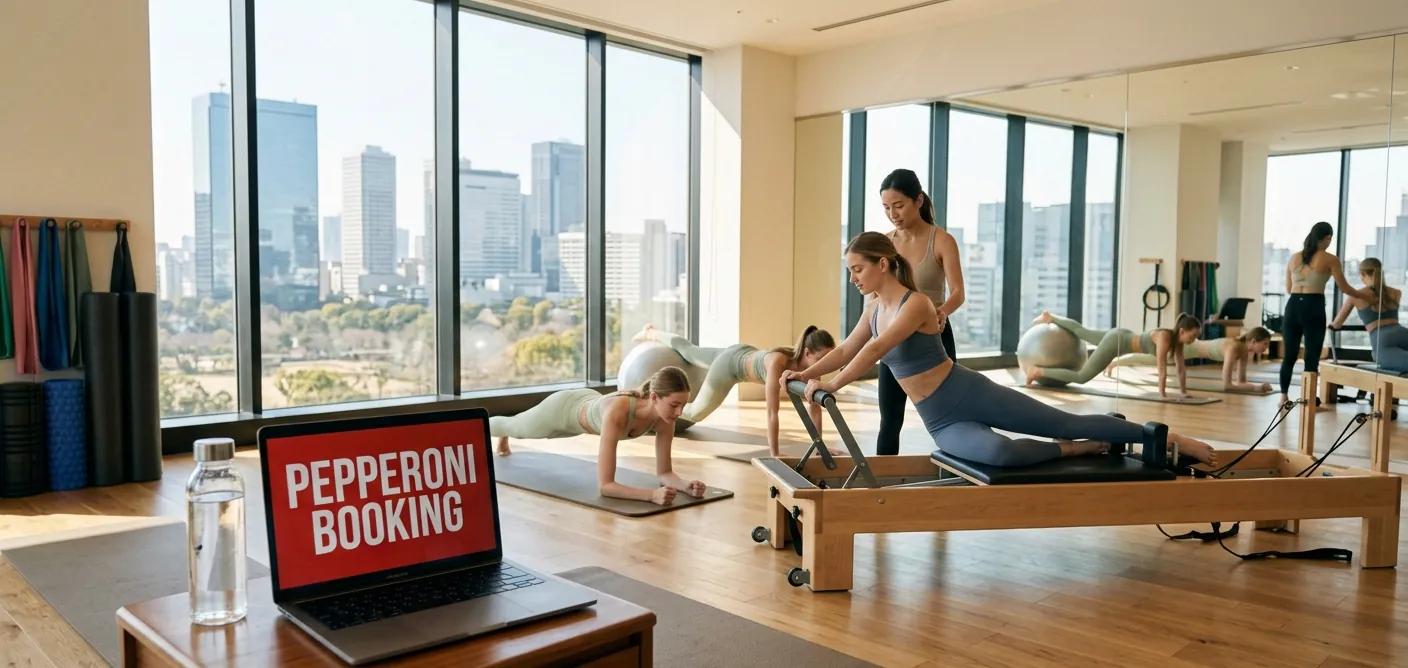
Ohjaajien perehdyttämisprosessin standardointi vaikuttaa suoraan asiakkaiden säilyttämiseen ja toiminnan vakauteen. Kaoottinen siirtymä pilaa asiakaskokemuksen, kun taas jäsennelty siirtymä rakentaa välitöntä luottamusta. Kun uusi opettaja astuu studiosi lattialle, hän kantaa brändisi mainetta.
Vuoteen 2026 mennessä asiakkaiden odotukset erittäin henkilökohtaista, turvallista ja tarkkaa pilates-ohjausta kohtaan ovat saavuttaneet ennätyskorkeuden. Yksi huonosti hoidettu tunti voi johtaa välittömään asiakaspoistumaan. Tämä riski on vältettävissä systemaattisen koulutuksen ja kulttuurisen integraation avulla.
Tehokas perehdyttäminen varmistaa ohjauksen laadun yhdenmukaisuuden, vähentää varhaista vaihtuvuutta ja suojelee asiakasturvallisuutta. Se yhdenmukaistaa uudet työntekijät brändisi ainutlaatuisen filosofian ja toimintaprosessien kanssa. Studioilla, joilla on standardoitu perehdyttämisprosessi, ohjaajat pysyvät työpaikassa jopa 40 % pidempään vuoteen 2026 mennessä, mikä johtaa ennustettavaan asiakkaiden säilyttämiseen.
Kun studio luo selkeän polun palkkaamisesta opettamiseen, ohjaajat kokevat olonsa tuetuksi eivätkä hylätyiksi. Tämä ammatillinen tuki kääntyy suoraan itsevarmaksi opettamiseksi, mikä pitää tunnit täynnä ja laitteet turvassa. Ohjaajat, jotka ymmärtävät studiosi metodologian, edustavat aktiivisesti brändisi arvoja jokaisessa liikuntasessiossa.
Korkeasti yhtenäisen opetusympäristön rakentamiseksi studioiden omistajien on keskityttävä useisiin ydinalueisiin:
Jokaisella studiolla on ainutlaatuinen opetusfilosofia, olipa se klassinen, moderni tai urheilullinen. Perehdyttämisjärjestelmäsi on opetettava uusille työntekijöille, kuinka tämä filosofia käännetään reformeriin, matolle ja torniin. Ei riitä, että heillä on kattava sertifikaatti; heidän on ymmärrettävä erityinen yhteisösi.
Esimerkiksi Larry's School of Ballet toteutti erikoistuneen perehdyttämismentorointiohjelman säilyttääkseen klassisen pilates-linjansa. Näin he varmistivat, että jokainen sijaisopettaja toi esiin tarkan tyylin ja tarkkuuden, jota heidän perinteiset asiakkaansa odottivat. Tämä kulttuurinen yhdenmukaisuus estää asiakkaiden kokeman järkyttävän kokemuksen, kun uusi ohjaaja poikkeaa liikaa brändisi ydintekniikasta.
Huomautus
Perehdyttäminen ei ole yksipäiväinen tapahtuma. Se on jäsennelty matka, joka muuttaa vasta palkatun ammattilaisen luotetuksi tukipilariksi kuntoyhteisössäsi.Määrittele opetusstandardisi selkeästi ensimmäisen viikon aikana, jotta vältetään tulevat väärinymmärrykset koskien säädöksiä, kosketusohjeita ja etenemistyylejä. Esittele tiimikulttuurisi aikaisin, jotta uudet työntekijät kokevat itsensä yhteistyötä tekeviksi osallistujiksi eivätkä eristetyiksi tuntipalkkaisiksi urakoitsijoiksi.
Ennen kuin ohjaaja opettaa ensimmäisen asiakkaansa, sinun on täytettävä kaikki sääntelyyn, lakiin ja talouteen liittyvät asiakirjat. Näiden hallinnollisten vaiheiden ohittaminen altistaa studiosi suurille vastuille ja aiheuttaa sekaannusta palkanmaksussa. Perusteellinen hallinnollinen perustaminen takaa ammatillisen pohjan ensimmäisestä päivästä lähtien.
Näiden toiminnallisten perusteiden luominen suojelee sekä yrityksen varoja että uuden työntekijän uran kestävyyttä. Selkeät säädöstenmukaisuutta koskevat asiakirjat ovat ammatillisen studiohallinnan perusta.
Uuden pilates-ohjaajan on toimitettava todiste kattavasta sertifikaatistaan, voimassa olevasta CPR/AED-todistuksesta, ammatillisesta vastuuvakuutuksesta sekä verodokumenteista (W-9 tai paikalliset vastaavat). Näiden asiakirjojen tarkistaminen varmistaa turvallisuuden noudattamisen ja suojelee studiota oikeudellisilta vastuilta laitteiden käytön aikana.
Varmista, että heidän sertifikaattinsa kattaa kaikki studiosi käyttämät laitteet, mukaan lukien reformeri, Cadillac, ladder barrel ja Wunda Chair. Jos pyörität erikoistunutta studiota, varmista, että he ovat suorittaneet asiaankuuluvan koulutuksen, kuten kannattavan Pilates-harjoitteluohjelman.
Varmistaaksesi, ettei mitään jää huomiotta, kerää nämä olennaiset asiakirjat ennen heidän ensimmäistä vuoroaan:
Kun asiakirjat on kerätty, tallenna ne turvalliseen, digitaaliseen henkilöstöprofiiliin studiohallintaohjelmassasi. Aseta kalenterimuistutukset vakuutusten ja CPR-todistusten vanhenemispäiville varmistaaksesi jatkuvan säädöstenmukaisuuden.
Ohjaajien palkitseminen reilusti ja läpinäkyvästi on tehokkain tapa estää henkilöstön vaihtuvuutta. Päätä aikaisin, käytätkö kiinteää hintaa, per-pää -provisiota vai porrastettua palkkamallia. Dokumentoi nämä ehdot selkeästi heidän työsopimuksessaan välttääksesi palkanlaskentakiistoja.
Estääksesi hallinnolliset virheet, varmista, että tiimisi ymmärtää palkanlaskentasi mekaniikan. Monet studiot menestyvät kuvailemalla tarkasti, kuinka maksu lasketaan yksityistunneista, ryhmätunneista ja myöhästyneistä peruutuksista. Lisätietoja palkkarakenteiden suunnittelusta saat analyysistämme Pilates-ohjaajan palkka: provisio vs. kiinteä hinta.
Automatisoimalla kirjanpito-prosessisi säästät tunteja manuaalista työtä joka kuukausi. Ymmärtämällä kuinka hallita pilates-studion palkanlaskentaa tehokkaasti vuonna 2026 voit keskittyä kasvuun taulukoiden sijaan. Varmista, että uusi työntekijäsi ymmärtää, kuinka kirjata tuntinsa ja tarkistaa tunnin osallistujat järjestelmässäsi.
Uuden ohjaajasi on hallittava studiosi toimintateknologian ennen asiakkaiden kanssa toimimista. Jos ohjaaja kamppailee osallistujien kirjaamisen, jonotuslistan hallinnan tai yksityistunnin varaamisen kanssa, se aiheuttaa hallinnollisia pullonkauloja. Digitaalinen lukutaito on pakollinen vaatimus nykyaikaisessa studioiden toiminnassa.
Jäsennellyn opastuksen tarjoaminen ohjelmistotyökaluillesi estää vastaanoton sekaannukset ja pitää studiosi sujuvasti käynnissä.
Kouluta uusi ohjaajasi käyttämään Pilates-aikatauluohjelmistoa mobiililaitteiltaan. Heidän on osattava tarkistaa päivittäinen aikataulunsa, katsoa tunnin osallistujalista ja päästä käsiksi asiakasprofiileihin välittömästi. Ohjaajien on tunnettava olonsa varmaksi navigoidessaan näissä työkaluissa itsenäisesti.
Näytä heille, kuinka päästä käsiksi mobiilioptimoidulle verkkosivustolle nähdäkseen reaaliaikaiset aikataulumuutokset. Automatisoidut sähköposti-ilmoitukset ilmoittavat heille uusista varauksista tai peruutuksista, mutta heidän tulisi silti osata tarkistaa osallistujalistansa manuaalisesti. Tämä itsenäisyys vähentää jatkuvan hallinnollisen väliintulon tarvetta.
Ohjaajien tulisi saada koulutusta seuraaviin digitaalisiin tehtäviin ensimmäisen viikon aikana:
Koska pilates käyttää erikoislaitteita, tunnin kapasiteetin tarkka hallinta on kriittistä turvallisuuden ja tuloksen kannalta. Ohjaajien on ymmärrettävä, kuinka paikkakohtainen varausjärjestelmä toimii. Heidän on osattava käsitellä jonotuslistoja, kävijöitä ja myöhässä saapuvia ilman, että se häiritsee tunnin kulkua.
Jos asiakas saapuu myöhässä täyteen buukattuun reformer-tuntiin, ohjaajan on tiedettävä studion käytäntö ja kuinka päivittää järjestelmä. Perehdyttäkää heidät erityisiin Pilatesin myöhästymisperuutuskäytäntöihinne varmistaaksesi yhdenmukaisen noudattamisen kaikkien työntekijöiden kesken. Tämä johdonmukaisuus estää asiakkaita yrittämästä kiertää sääntöjä uusien, suvaitsevaisempien opettajien kanssa.
Vinkki
Aina kannattaa antaa uuden ohjaajan suorittaa täydellinen harjoitusvaraus, osallistumisen tarkistus ja peruutusprosessi Pepperoni Booking -palvelussa ennen kuin he opettavat oikeaa tuntia.Ohjaajien on myös osattava lisätä yksityiskohtaisia, yksityisiä merkintöjä asiakastileille. Jos opiskelija hallitsee välilevypullistumaa tai olkapään pinnetilaa, näiden muutosten dokumentointi varmistaa turvallisuuden kaikkien työntekijöiden kesken. Tämä jaettu tieto rakentaa saumattoman, korkeatasoisen kokemuksen jokaiselle asiakkaalle, joka astuu ovesta sisään.
Tekninen sertifikaatti ei automaattisesti takaa, että ohjaaja hallitsee huoneen studiosi erityisvaatimusten mukaan. Perehdyttämisjärjestelmäsi on sisällettävä käytännön koulutusta heidän opetuksensa laadun arvioimiseksi ja parantamiseksi. Tämä vaihe varmistaa, että korkeat standardisi säilyvät jokaisessa aikavälissä.
Käytännön arviointi suojelee asiakkaitasi ja tarjoaa uudelle työntekijälle arvokasta ammatillista kehitystä.
Uuden työntekijän yhdistäminen kokeneen ohjaajan kanssa luo korvaamattoman oppimisympäristön. Anna uuden opettajan seurata useita tunteja tarkkaillakseen, kuinka kokeneet työntekijät hallitsevat rytmiä, musiikkia, siirtymiä ja asiakassuhteita. Tämä auttaa heitä ymmärtämään yhteisösi kirjoittamattomia odotuksia.
Näiden havainnointituntien jälkeen anna uuden ohjaajan opettaa sarja harjoitustunteja. Nämä tunnit voivat olla täynnä muita työntekijöitä, ystäviä tai luotettuja pitkäaikaisia asiakkaita, jotka voivat antaa rakentavaa palautetta. Studioille, jotka haluavat rakentaa tämän prosessin orgaanisesti, on erittäin hyödyllistä oppia, kuinka käynnistää pilates-ohjaajien mentorointiohjelma vuonna 2026.
Tunnin valmiutta arvioidaan tarkkailemalla harjoitustuntia ja pisteyttämällä ehdokas sanallisessa ohjeistuksessa, kosketuskorjauksissa, liikesarjojen etenemisessä, turvallisuudessa ja energiassa. Vähintään 85 % pistemäärä studion arviointikriteereissä määrittää, voivatko he turvallisesti ja itsevarmasti johtaa maksavia asiakkaita.
Käytä standardoitua tarkistuslistaa heidän harjoitusopetussessiossaan pitääksesi arvioinnin objektiivisena ja rakentavana. Jaa tulokset ohjaajan kanssa myönteisessä, yhteistyöhön perustuvassa palautetilaisuudessa.
Arviointirubriikkisi tulisi keskittyä voimakkaasti näihin ydinkomponentteihin:
Kun he läpäisevät tämän arvioinnin, he ovat valmiita lisättäväksi live-aikatauluun. Tämä systemaattinen validointiprosessi varmistaa, että brändisi laadun maine säilyy täysin vaarantamattomana.
Kun uusi ohjaajasi on täysin koulutettu, on aika esitellä hänet yhteisöllesi ja täyttää hänen tunnit. Onnistunut lanseeraus vaatii koordinoitua ponnistelua markkinointikanavienne ja hallinnollisen tiiminne välillä. Älä vain lisää häntä aikatauluun ja toivo parasta.
Aktiivinen markkinointi ja johdonmukainen suorituskyvyn seuranta ensimmäisten yhdeksänkymmenen päivän aikana luovat pohjan uuden työntekijän pitkäaikaiselle taloudelliselle ja ammatilliselle menestykselle.
Esittele uusi ohjaajasi asiakaskunnallesi useiden digitaalisten kosketuspisteiden kautta. Kirjoita vakuuttava esittely, joka korostaa heidän sertifiointipolkuaan, opetustyyliään ja liikkeen intohimoa. Jaa tämä esittely verkkosivustollasi, varaussivuillasi ja sosiaalisen median alustoilla tutustumisen rakentamiseksi.
Ajaakseen varauksia alkuvaiheessa, harkitse tarjoavasi aloituspaketteja tai järjestämällä ilmaisen "tutustumistunnin", jossa asiakkaat voivat kokea heidän opetustyylinsä. Tämä strategia on erittäin tehokas täyttämään uusia aikavälejä, kuten keskipäivän tunteja. Jos sinulla on vaikeuksia täyttää näitä aikavälejä, tutustu näihin vinkkeihin kuinka korjata vähäinen osallistuminen keskipäivän pilates-tunneilla vuonna 2026.
Kannusta uutta työntekijääsi luomaan yhteyksiä olemassa oleviin asiakkaisiin ennen tunteja ja niiden jälkeen. Henkilökohtaiset suhteet ovat ensisijainen asiakassäilyttämisen ajuri boutique-kuntoilussa, ja varhainen sitoutuminen rakentaa kestävää uskollisuutta.
Seuraa tarkasti uuden ohjaajasi tunnin kapasiteettia ja asiakkaiden säilyttämisastetta ensimmäisten kolmen kuukauden aikana. Käytä digitaalista hallintapaneeliasi seurata, kuinka monta uutta asiakasta palaa toiseen sessioon tämän tietyn opettajan kanssa. Nämä tiedot paljastavat, onnistuvatko he rakentamaan suhdetta yhteisöösi.
Aikatauluta tarkistustapaamiset 30, 60 ja 90 päivän kohdalla keskustellaksesi näistä mittareista yhteistyössä. Kehystä nämä keskustelut ammatillisen kasvun ja toiminnallisen tuen ympärille kritiikin sijaan. Säännölliset kontaktit mahdollistavat pienten opetus- tai hallinnollisten ongelmien käsittelyn ennen kuin ne muuttuvat suuriksi ongelmiksi.
Sijoittamalla perusteelliseen, jäsenneltyyn perehdyttämisprosessiin suojelet studiosi toiminnallista terveyttä, tuet henkilöstösi ammatillista kasvua ja tarjoat johdonmukaisesti poikkeuksellisen kokemuksen asiakkaillesi. Vahva tiimi on kestävän liiketoiminnan kasvun perusta.
Pääse eroon hallinnollisesta kaaoksesta. Studio Autopilot-tilassa.
21 päivän ilmainen kokeilu · Luottokorttia ei tarvita

Founder, Studio Owner & Engineer
Yleisiä kysymyksiä tästä aiheesta
Onko sinulla lisää kysymyksiä? Ota yhteyttä tiimiimme
Muutama lyhyt tervetuloviesti ja sen jälkeen noin kerran kuukaudessa sähköposti varauksista, asiakkaiden pitämisestä ja rauhallisemman studion pyörittämisestä. Satunnaisia tuoteuutisia.
Työskentelemme suoraan ensimmäisten 100 Founding Studio -studion kanssa – boutique-studioita, jotka muokkaavat tulevia julkaisujamme. Jos tämä sopii studiollesi, kokeilujakso on avoinna.
Kaikki yhdessä -hallintapaneeli studion vaivattomaan hallintaan
Automatisoidut hallinnolliset tehtävät, jotta voit keskittyä ohjaamiseen
Reaaliaikainen raportointi viisaampien liiketoimintapäätösten tueksi
Luottokorttia ei tarvita • 21 päivän ilmainen kokeilu
Noin yksi käytännöllinen sähköposti kuukaudessa varauskaaoksen vähentämisestä ja asiakkaiden säilyttämisestä. Satunnaisia tuoteuutisia.