March 23, 2026
7 min read

An optimized studio layout is not just about aesthetics; it is a critical driver of operational efficiency and client retention. When your physical space flows intuitively, instructors spend less time repositioning equipment and more time teaching. This seamless flow creates a professional environment that encourages repeat visits.
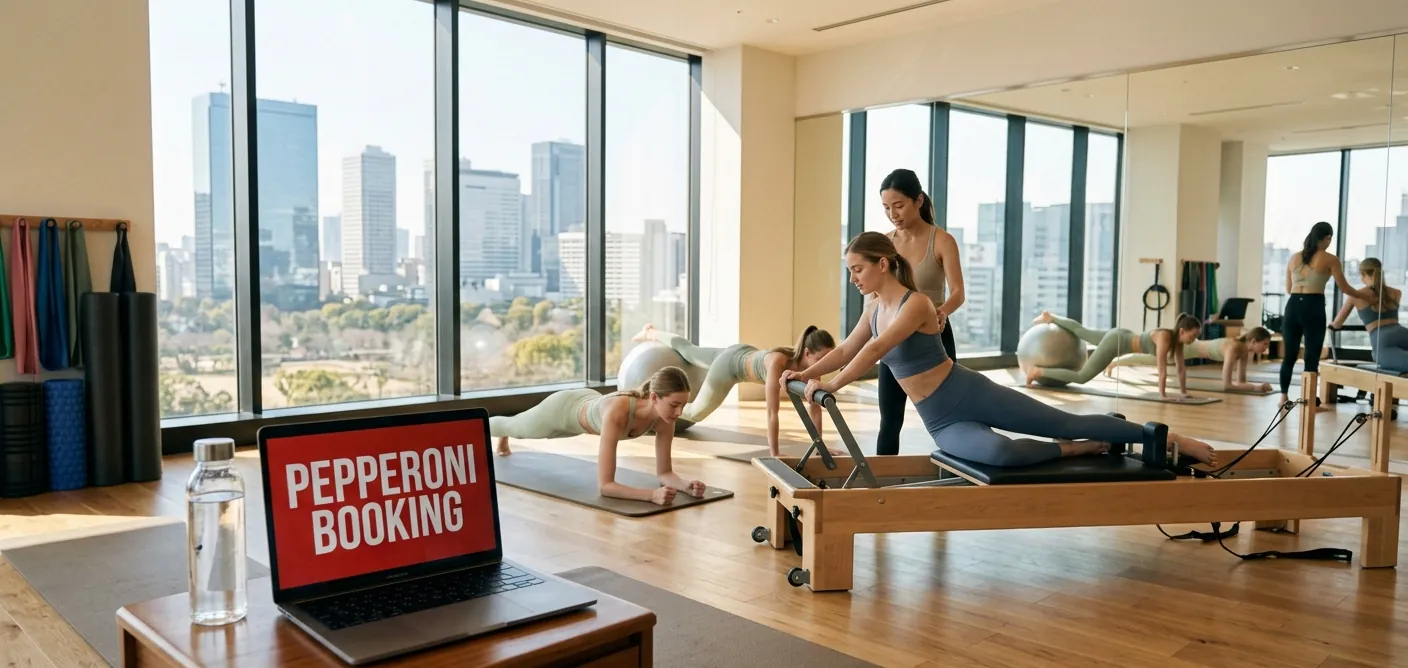
As of 2026, successful studio owners understand that every square foot must serve a purpose. Whether you are managing a boutique space or a large-scale facility, your floor plan directly impacts how many students you can accommodate per session. Efficient Pilates class scheduling starts with a floor plan that maximizes usable equipment capacity.
Consider these primary benefits of a well-organized studio:
When you integrate your physical layout with Pilates booking software, you create a cohesive business model. A smart floor plan allows you to define clear zones for group classes and private sessions, which is vital for maintaining high standards of service.
Defining distinct zones is the cornerstone of a high-performing studio. You need to separate the areas where high-intensity movement occurs from the spaces dedicated to quieter, restorative work. This separation minimizes distractions and allows for a diverse range of class offerings.
First, assess your equipment footprint. For Reformer studios, allow for at least three to four feet of clearance around each unit. This ensures safety for both the instructor and the client. Using Pilates studio management tools, you can map out your capacity based on these physical constraints.
Consider these zones for your studio design:
If you are struggling to keep your studio organized, consider how client retention strategies are influenced by the environment. A cluttered space can feel chaotic, whereas a clean, zoned studio promotes a sense of calm and focus. Always prioritize safety first, as instructors need adequate room to move safely around equipment during hands-on adjustments.
Tip
Use floor marking tape during your testing phase to simulate equipment placement before committing to permanent floor layouts or heavy equipment configurations.Flexibility is the hallmark of a future-proof studio. Trends in 2026 suggest that clients value variety, and a studio that can quickly pivot from a group Reformer class to a workshop or a restorative movement session has a competitive edge. Mobile equipment, such as foldable mats or stackable props, can turn a static room into a multi-use asset.
When designing for flexibility, think vertically. Wall-mounted storage systems clear up valuable floor space, allowing for more movement. You might also want to read about how to host profitable Pilates workshops to understand how versatile layouts can lead to new revenue streams.
Consider these strategies for creating a flexible studio environment:
Unlike generic fitness platforms, Pepperoni Booking is built specifically for studios that require granular control over their space and schedule. By linking your floor plan to your studio booking software, you ensure that your capacity limits are always reflected in your public-facing schedule, preventing overbooking and maintaining a high-quality experience.
Balancing equipment density with safety is a delicate art. While cramming in more reformers might seem like a way to boost revenue, it often leads to compromised instruction and injury risk. Instead, look for ways to optimize the existing space to increase throughput without sacrificing quality.
Review your traffic flow patterns regularly. Observe how students enter and exit the room. Do they have to squeeze past equipment? Are the exit paths clear? If you find bottlenecks, it is time to reassess the layout. You can also look at 5 proven tactics to increase your Pilates studio’s revenue per reformer in 2026 for more ideas on maximizing profitability while maintaining safety.
Follow these guidelines for safe, high-density layouts:
Safety is not just about physical space; it is also about digital infrastructure. Managing your studio with Pilates scheduling software helps you keep accurate track of who is in the studio and when. This ensures that you never exceed your safe capacity limits, which is a vital part of protecting your business and your clients.
Your studio layout is the stage, but your software is the director. A well-designed floor plan works in tandem with your management platform to streamline operations. When your digital booking system mirrors your physical room layout, you reduce confusion and create a professional, polished image for your brand.
Many successful studio owners, such as those at Larry's School of Ballet, use digital tools to manage their space and their staff effectively. By integrating your Pilates studio management system with your daily operations, you can automate check-ins, track equipment usage, and manage your waitlists with precision.
Key integrations for a modern studio include:
Your layout should make the administrative process feel invisible. For example, if your layout facilitates a fast and easy flow from the door to the mat, your booking system should reflect that speed with a mobile-optimized interface. This level of synchronization builds trust and encourages clients to return.
Ultimately, your floor plan is about the client. The journey from the moment they walk through your door to the final stretch on the mat should be seamless, inspiring, and calming. A thoughtful floor plan acknowledges the mental state of the student as much as their physical needs.
Think about the sensory experience. Does your layout allow for natural light to reach every student? Is the acoustics of the room managed to minimize echoes? These subtle details contribute to the overall vibe of your studio. When a space feels good, people want to stay, train, and recommend your business to others.
Consider these touches to improve the environment:
As you refine your space, remember that client experience is your most valuable asset. A studio that is designed with care shows your clients that you value their time and their well-being. This, combined with a robust studio booking software, creates a foundation for long-term growth and success in the competitive wellness market.
When you are ready to take your studio management to the next level,start your free trial with Pepperoni Booking. Experience how a professional-grade Pilates studio software can simplify your operations, manage your class bookings, and help you focus on what you do best: teaching.
Your Pilates studio floor plan is a dynamic asset that should evolve alongside your business. By regularly auditing your space, focusing on traffic flow, ensuring safety, and integrating with smart management technology, you can create a space that feels both professional and inviting.
Whether you are expanding to a second location or simply refreshing your current layout, keep the focus on how the space serves the client. A well-optimized studio is one where the physical environment and digital systems work together to provide a frictionless experience. This is the key to sustainable, ethical growth in the modern wellness industry.
Start your journey today by auditing your current space against the needs of your clients. Implement the changes necessary to streamline your operations and enhance your service quality. As you see the positive impact of a better layout, you will find that your studio becomes more efficient, your instructors are happier, and your clients are more engaged than ever.
Eliminate the admin chaos. Your studio on autopilot.
21-day free trial · No credit card required

Founder, Studio Owner & Engineer
Common questions about this topic
Have more questions? Contact our team
Join studio owners learning how to run calmer, more organized studios.
We're working directly with the first 100 Founding Studios — boutique studios shaping what we ship next. If that fits your studio, the trial is open.
All-in-one dashboard to manage your studio effortlessly
Automated admin tasks so you can focus on teaching
Real-time reporting to make smarter business decisions
No credit card required • 21-day free trial
Practical tips on reducing booking chaos, keeping clients, and growing without the stress.