November 18, 2026
8 min read
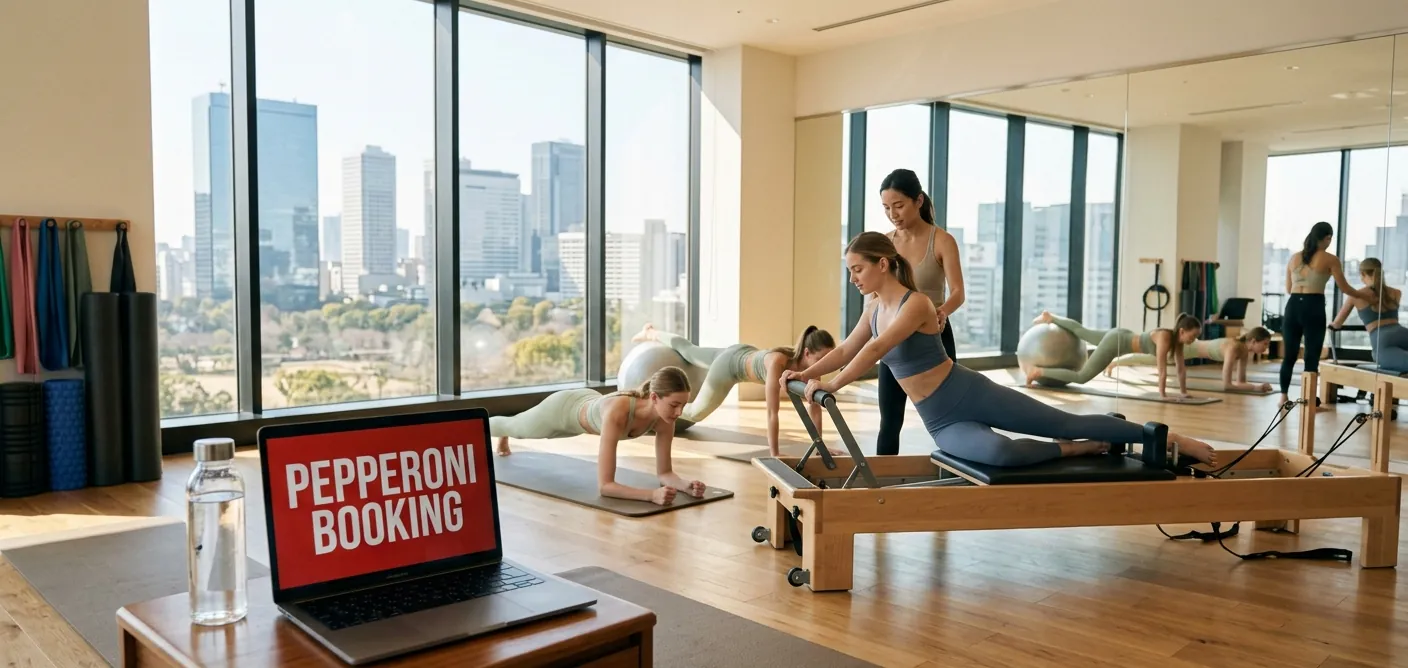
As of 2026, commercial Pilates studios face higher class utilization rates than ever before. A studio operating 10 reformers across 30 weekly sessions handles over 300 individual client interactions on hardware every seven days.
Without a systematic maintenance protocol, heavy apparatus usage leads to premature mechanical wear, unexpected downtime, and significant liability risks.
Preventive maintenance protects client safety while extending the operational lifespan of high-capital investments like reformers, Cadillacs, stability chairs, and ladder barrels.
Studio owners who implement disciplined schedule systems reduce long-term capital expenditure by up to 35 percent. Protecting equipment health ensures that your studio operates smoothly every single day.
Improper maintenance directly damages revenue by causing sudden class cancellations, reducing room capacity, and driving client churn. When a reformer spring snaps or a carriage wheel sticks, that machine must be removed from service immediately.
Equipment failure creates operational friction that quickly spreads across your business schedule. Unplanned machine downtime forces staff to move clients or drop class capacities mid-week.
Establishing automated operational routines allows managers to track apparatus health before failures occur.
Connecting equipment care with efficient studio management processes keeps studio floors fully functional and safe.
Daily hygiene and surface care form the first defense line against apparatus degradation.
Sweat, skin oils, and improper cleaning chemicals quickly erode commercial vinyl, degrade leather straps, and corrode metal components.
Instructors and front-desk staff must execute standardized cleaning routines between classes and at studio closing.
Using non-solvent, non-alcohol cleansers preserves upholstery while neutralizing bacteria.
Cleaning protocols must be straightforward so instructors can execute them within five-minute class transitions.
Never spray liquid directly onto wooden frames or electronic monitoring units.
Weekly inspections focus on structural tighteners and dust removal from internal mechanical track channels.
Studio owners should assign dedicated weekly maintenance blocks during low-traffic afternoon periods.
Integrating these routine checks into your overall manage operations workflow ensures equipment longevity without disrupting client class schedules.
Proper staff delegation ensures every machine receives systematic oversight every week.
While daily cleaning prevents surface wear, comprehensive monthly and quarterly inspections target internal mechanics, load-bearing bolts, and tension systems.
Mechanical components subject to high dynamic forces require rigorous physical checks to identify micro-fatigue before equipment breakdown occurs.
Pilates apparatuses require thorough mechanical inspections every 30 days, with deep structural audits conducted quarterly. Monthly checks focus on moving parts, springs, and risers, while quarterly audits evaluate structural welds, frame integrity, and fastener torque settings.
High-volume commercial environments running over 20 clients per machine weekly should conduct mechanical checks every 14 days to catch wear early.
Monthly inspections require dedicated maintenance tools, including metric and imperial Allen wrenches, silicone spray, and thread-locking fluid.
Quarterly maintenance involves disassembling key sub-assemblies to verify long-term frame structural integrity.
Studio owners managing high-density machine setups should cross-reference apparatus health with their Pilates Reformer Capacity & Equipment Grid Setup to balance usage evenly across all available units.
Preventing operational bottlenecks requires knowing exactly when machine components reach the end of their functional lifecycle.
Every piece of studio equipment operates on predictable component lifespans.
Establishing a scheduled replacement cycle prevents catastrophic equipment failure on the studio floor.
Replacing high-stress hardware proactively is significantly cheaper than dealing with client injuries or emergency equipment repair visits.
Springs, ropes, and carabiners experience metal fatigue and structural stretching over time.
Even if a spring looks visually intact, continuous tension changes degrade metal elasticity.
Maintaining precise service records is critical for warranty compliance, equipment insurance, and facility safety audits.
Paper logbooks kept in back offices are easily lost, misplaced, or forgotten by shift staff.
Modern studios use centralized digital tracking systems to log equipment maintenance histories.
Digitizing asset records allows managers to attach photo evidence of wear, record service dates, and automate maintenance reminders.
When equipment issues arise, studio managers can temporarily adjust machine availability within their Pilates booking software without disrupting the broader timetable.
Utilizing How to Reduce Pilates Reformer Downtime: A 2026 Efficiency Guide strategies ensures your studio maintains consistent revenue capacity.
Accurate digital records also preserve resale value when upgrading equipment lines in the future.
A maintenance schedule is only as effective as the team executing it.
Instructors and studio staff are on the front lines, operating equipment for hours every day.
Training your team to spot subtle mechanical red flags transforms passive staff into an active equipment preservation network.
Overall equipment maintenance responsibility rests with the studio owner or operations manager, but daily identification and reporting must be shared across all teaching staff. Instructors must be empowered and trained to flag mechanical noises, loose bolts, or sticky carriages immediately after teaching.
Establishing clear reporting hierarchies ensures small apparatus quirks do not turn into major structural failures.
To maintain equipment integrity across shifts, institute standardized reporting protocols across your organization.
At Larry's School of Ballet, staff implement weekly hardware audits alongside their movement instruction schedule.
By standardizing post-session checks, they successfully eliminated sudden spring breakdowns and extended equipment lifespans across their apparatus rooms.
Staff accountability creates a culture where apparatus care is built directly into daily studio operations.
Conducting deep mechanical servicing requires taking machines off the floor.
Studio owners must balance equipment maintenance downtime against client class availability.
Smart operational planning ensures apparatus servicing happens without losing booking revenue or disappointing registered clients.
Never schedule heavy apparatus maintenance during morning or evening peak booking windows.
Block out off-peak afternoon hours or low-volume weekend slots for routine spring replacements and carriage wheel teardowns.
Organizing equipment service windows proactively keeps your studio floor fully optimized and safe.
By building structured maintenance routines directly into your studio operational strategy, you preserve expensive physical assets, ensure client safety, and keep your business running predictably and profitably.
Eliminate the admin chaos. Your studio on autopilot.
21-day free trial · No credit card required
For Pilates Studios
Founder, Studio Owner & Engineer
Common questions about this topic
Have more questions? Contact our team
A few short welcome emails, then roughly one email a month on bookings, keeping clients and running a calmer studio. Occasional product news.
We're working directly with the first 100 Founding Studios — boutique studios shaping what we ship next. If that fits your studio, the trial is open.
All-in-one dashboard to manage your studio effortlessly
Automated admin tasks so you can focus on teaching
Real-time reporting to make smarter business decisions
No credit card required • 21-day free trial
A few short welcome emails, then roughly one practical email a month on reducing booking chaos and keeping clients. Occasional product news.