July 29, 2026
9 min read
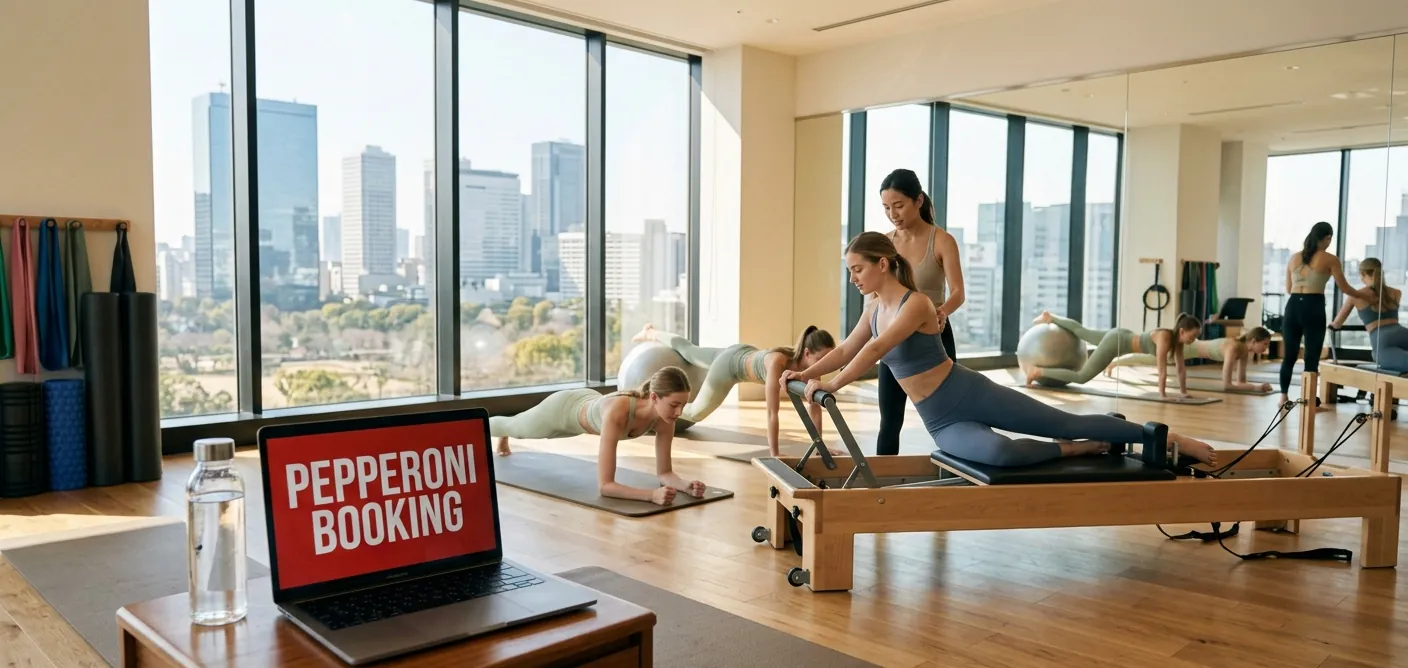
Comprehensive certification requires a minimum of 450 to 600 hours of training covering Mat, Reformer, Cadillac, Chair, and Barrels. To verify these credentials, studio owners must request physical or digital certificates from reputable bodies like the Pilates Method Alliance (PMA) or globally recognized teacher training schools.
Historically, the fitness industry has struggled with standardized definitions of competence. In the specialized realm of classical and contemporary Pilates, a weekend certification is insufficient. A premium studio cannot risk employing instructors who lack an understanding of progressive exercise programming.
High-quality teacher training programs generally mandate a rigorous mix of disciplines:
When reviewing qualifications, look for programs that require in-person practical assessments. Online-only certifications often fail to teach the physical touch-points and physical adjustments required for client safety.
Top-tier instructors demonstrate an exceptional command of anatomical terminology. They explain not just what movement to perform, but which specific muscle groups should initiate and stabilize the motion.
They must possess an advanced vocabulary of verbal, visual, and tactile cues. For example, rather than simply stating "pull your navel to your spine," an elite instructor might instruct a client to "imagine zipping up a tight pair of jeans from the pelvis to the ribs."
This level of articulation requires deep cognitive processing and high emotional intelligence. Instructors must read the room instantly, modifying their speech to suit the learning style of each individual student in a 10-person group class.:::note
In 2026, client expectations are higher than ever. Clients look for instructors who can customize exercises on the fly without interrupting the overall flow of the class.:::
As of 2026, the fitness and wellness landscape demands continuous professional growth. Top-tier instructors do not let their education stagnate after completing their initial comprehensive program.
Instead, they pursue specialized workshops in pre-natal and post-natal care, spinal pathologies, athletic performance enhancement, and joint replacement rehabilitation. This commitment to learning directly influences client retention and safety.
Furthermore, many modern instructors seek multi-disciplinary training. For instance, incorporating principles from a Gyrokinesis® or Gyrotonic® studio environment can enhance an instructor's understanding of three-dimensional movement patterns.
When hiring, prioritize candidates who show a documented history of attending at least two industry-recognized workshops or courses per year. This demonstrates a professional mindset rather than a casual side-gig approach.
A successful Pilates job posting must lead with your studio's unique culture and values, followed by explicit requirements regarding comprehensive apparatus training. Clearly outline class schedules, equipment brands, and the administrative support systems you use to manage operations, ensuring a transparent first impression.
Avoid generic templates that list fifty separate duties without explaining the compensation or studio philosophy. Elite teachers want to know they are joining a professional organization that values their expertise.
Your job descriptions should always follow a highly structured format:
By laying out these details, you filter out unqualified candidates before they apply. This systematic approach saves hours of manual administrative review.
One of the most common reasons for teacher burnout is administrative overload. If an instructor must spend thirty minutes after every class manually processing payments or chasing late cancellations, they will eventually look for employment elsewhere.
To attract top talent, clearly delineate teaching time from administrative tasks. Explain that your studio uses modern studio management software to automate client bookings, waitlists, and notification workflows.
This operational efficiency allows your instructors to focus entirely on their primary passion: teaching high-quality Pilates. When candidates realize they will not be bogged down by manual scheduling spreadsheets, your studio instantly becomes a preferred employer.
For example, at Larry's School of Ballet, introducing automated systems allowed their movement teachers to focus entirely on choreography and physical execution rather than administrative scheduling bottlenecks.
A practical audition is the most reliable way to evaluate an instructor's real-time teaching ability, safety protocols, and client rapport. Have the candidate teach a 30-minute private session to a mock client of varying physical capabilities, allowing you to observe their spontaneous cueing and movement adjustments.
Do not audition candidates in an empty room. They must demonstrate how they handle physical bodies, equipment transitions, and unexpected movement limitations.
Choose a mock client who represents your actual customer base. Selecting a highly advanced student or another certified instructor will not test the candidate's ability to simplify complex movements for beginners.
Before the session starts, provide the candidate with a brief intake profile for the mock client:
Observe how the candidate reviews this information. Do they ask clarifying questions, or do they immediately jump into a pre-planned sequence without acknowledging the client's restrictions?
In 2026, hands-on adjustments require strict adherence to physical consent and professional boundaries. A top-tier instructor always asks for permission before touching a client to correct their posture.
During the audition, watch how the candidate approaches tactile cueing. They should use light, directional touches designed to guide the bone alignment, rather than physically forcing a limb into position.
If the mock client struggles with a movement, observe if the candidate can quickly offer a regression. For example, if a client cannot maintain a neutral pelvis during the hundred on the Reformer, the instructor should immediately cue them to tabletop their legs or lower their head.:::tip
An instructor who forces a client to push through pain or poor form is a liability. Prioritize safety and alignment over complex, acrobatic choreography.:::
Technical skill is only half the equation. The best instructors are empathetic listeners who build deep, trusting relationships with their students.
Watch how the candidate handles mistakes or confusion. Do they speak with encouraging, positive language, or do they sound clinical and demanding?
They should acknowledge achievements, call clients by their names, and maintain an energetic yet calming presence throughout the session. These interpersonal skills directly impact your customer retention and studio community.
At the end of the audition, ask the candidate to explain their exercise choices. A great instructor should be able to justify every single movement in their sequence based on the client's physical profile.
If you want to hire the best, you must pay competitively. However, your compensation structure must remain sustainable for your studio business model.
Many successful studios utilize a hybrid payment structure. This involves offering a solid base hourly rate combined with per-student attendance incentives.
To structure this properly, consult our guide on How to Structure Pilates Instructor Pay. This approach ensures your staff is motivated to market their classes and build personal relationships with clients.
Consider implementing a tiered pay scale based on experience, certification levels, and tenure at your studio:
This tier system gives your team a clear, visual path for professional advancement. Without a structured trajectory, your best teachers may leave to start their own independent home studios.
To mitigate recruitment challenges, some studios choose to train their own team from the ground up. You can read about this approach in our guide on How to Build a Profitable Pilates Apprentice Program to Solve Your Studio's Hiring Challenges.
Instructors evaluate their total compensation not just by the hourly rate, but by how easily they can manage their overall schedule. If your studio relies on outdated paper sign-in sheets or manual texting groups, instructors waste hours organizing their working lives.
By utilizing a unified scheduling platform, your team can check their class capacities, manage waitlists, and review client medical notes directly on a mobile-optimized website. This level of professional infrastructure is highly attractive to modern instructors.
Automated workflows protect your instructors' personal boundaries. When cancellation policies are enforced automatically by software, instructors do not have to engage in awkward financial negotiations with clients who missed a session.
This operational clarity reduces burnout significantly. To explore this topic further, read our article on How to Onboard New Pilates Instructors.
Once you find a top-tier instructor, your work is not complete. A structured onboarding program is essential to align them with your studio's operational flow and community values.
During their first week, walk them through your studio's customer service philosophy, emergency safety protocols, and daily opening and closing procedures. Provide a clear, written employee handbook that documents these expectations.
Ensure they understand your specific equipment care instructions. Reformer springs, carriage tracks, and leather upholstery require meticulous daily maintenance to prevent long-term wear and tear.
We recommend scheduling a dedicated co-teaching session during their first week. This allows the new hire to shadow an experienced team member and observe how the studio's client community interacts in a real class setting.
To ensure a seamless transition, train your new hires on your digital operating tools immediately. Show them how to view class rosters, update attendance records, and add specialized notes to client files.
Modern client management involves tracking physical progress over time. Instructors should be comfortable entering quick post-session updates, ensuring that if another team member covers their class, the client receives consistent, personalized care.
This level of integrated care builds immense client trust. For detailed strategies on keeping your staff aligned and happy, refer to our comprehensive piece on Mastering Instructor Retention: Strategies for a Thriving Pilates and Gyrotonic® Team.
By combining high operational standards with a supportive work environment, you will build a reputation as the top employer in your local fitness community. This reputation makes future hiring significantly easier, attracting elite talent naturally over time.
Focus on maintaining clear communication, honoring your team's professional value, and supporting their teaching with robust administrative tools. Your studio's growth and client satisfaction will naturally follow.
Eliminate the admin chaos. Your studio on autopilot.
21-day free trial · No credit card required

Founder, Studio Owner & Engineer
Common questions about this topic
Have more questions? Contact our team
Join studio owners learning how to run calmer, more organized studios.
We're working directly with the first 100 Founding Studios — boutique studios shaping what we ship next. If that fits your studio, the trial is open.
All-in-one dashboard to manage your studio effortlessly
Automated admin tasks so you can focus on teaching
Real-time reporting to make smarter business decisions
No credit card required • 21-day free trial
Practical tips on reducing booking chaos, keeping clients, and growing without the stress.