July 20, 2026
8 min read
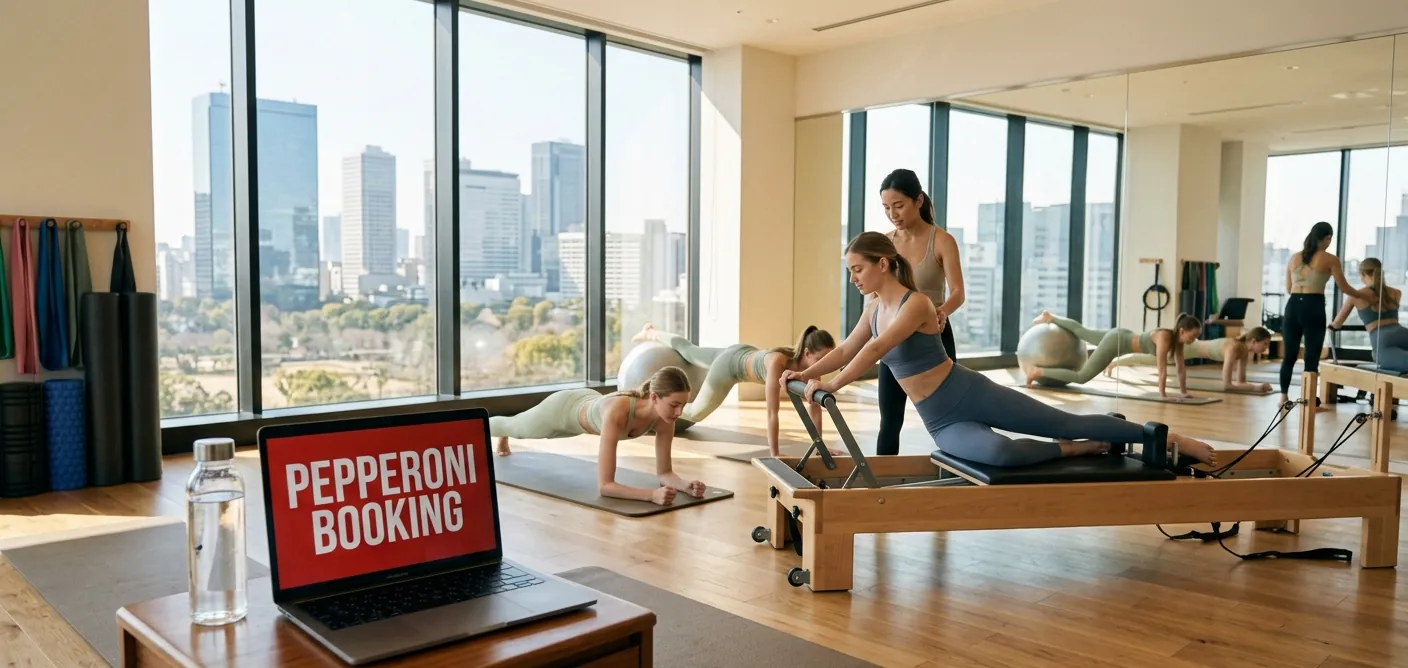
Pilates instructors face a unique combination of intense physical exertion, continuous cognitive load from multi-level cueing, and administrative friction. When instructors spend their off-hours coordinating client schedules and manual shift trades, their recovery time is severely compromised, rapidly leading to physical exhaustion and professional burnout.
A studio owner must recognize that teaching Pilates is not merely a physical job; it is an active cognitive performance. Instructors must monitor client alignment, manage safety risks on spring-loaded machinery, and maintain high emotional energy for hours. According to industry insights from the Pilates Method Alliance (PMA) as of 2026, the compounding demands on boutique fitness staff have made retention a primary challenge for sustainable studio growth.
To analyze this effectively, consider the core drivers of professional fatigue:
Without a structured system to address these pain points, studio owners face high turnover rates that disrupt client relationships. Investing in a deliberate studio management and staffing strategy is the first step toward building an operationally resilient studio.
When a skilled instructor leaves, the impact is immediately felt on the bottom line. A typical 30-student studio running 15 classes per week can lose thousands in recurring membership revenue when a popular teacher departs.
Clients build deep trust with their specific instructors over months of personal adjustment and feedback. When that relationship is severed, clients often pause their memberships or seek alternative studios.
Furthermore, the cost of recruiting, hiring, and onboarding replacements consumes dozens of administrative hours. Fostering instructor longevity is not just an empathetic choice; it is a financial imperative for your business.
The primary indicators of Pilates instructor exhaustion include a sudden drop in the quality of personalized tactile cues, an increase in last-minute substitute requests, and general emotional withdrawal during client interactions. Identifying these behavioral shifts early allows studio owners to intervene before physical injuries or sudden resignations occur.
The progression of burnout is rarely sudden; it is a gradual erosion of enthusiasm and physical capacity. Identifying these subtle shifts in energy requires active observation and structured tracking. When owners rely solely on self-reporting, they often learn of the burnout only after an instructor hands in their resignation.
Look for the following behavioral and operational indicators in your weekly reviews:
Beyond visual observation, your studio analytics can reveal underlying staff fatigue before it manifests as resignation letters. A sudden drop in average class occupancy for a specific teacher often indicates a decline in engagement.
When instructors are tired, their classes naturally become less dynamic and personalized. Clients pick up on this subtle shift and quietly stop booking that instructor's sessions.
Using advanced scheduling tools helps you streamline instructor workflows and monitor metrics like average client retention per teacher. This data-driven approach removes emotion from the conversation, allowing for objective, supportive check-ins.
Administrative burdens can be eliminated by utilizing modern studio management systems that automate recurring tasks like client reminders, waitlist management, and schedule adjustments. By shifting these burdens away from your staff, instructors can focus solely on teaching, preserving their physical and mental energy.
Many instructors spend up to five unpaid hours per week managing client texts, coordinating makeup sessions, and tracking down payments. This hidden labor is a massive contributor to industry fatigue, transforming a passion for movement into an administrative headache.
By leveraging automated client portals and self-service booking options, you return control to the client and remove the instructor from the middle of scheduling logistics. This operational shift protects your staff's personal boundaries.
To achieve this level of efficiency, implement the following operational workflows:
Marathon teaching days are a relic of unsustainable studio models. Expecting an instructor to teach six consecutive high-energy group classes is a direct path to physical injury and cognitive burnout.
As of 2026, progressive studios are limiting consecutive teaching hours to a maximum of three or four sessions. Grouping private sessions and group classes into distinct, manageable blocks ensures instructors can rest and refuel.
For example, Larry's School of Ballet optimized their administrative structure by implementing automated scheduling rules. This transition eliminated manual coordination completely, allowing their teaching team to focus entirely on specialized instruction without burnout.
Professional stagnation is a major contributor to long-term career fatigue. When instructors feel like they are simply trading hours for dollars with no clear path forward, their daily motivation inevitably declines.
Instructors need to see a future where their income and influence grow alongside their experience. Creating a tiered career structure allows senior teachers to step back from heavy teaching schedules while increasing their overall value to the studio.
This progression can include transitions into mentorship, program coordination, or specialized clinical roles. It shifts the instructor's perspective from a short-term job to a long-term professional journey.
Consider establishing the following developmental milestones:
By defining these steps, you show your team that you are invested in their professional future. When you create clear career paths, you foster a team of highly engaged, ambitious professionals.
Mentorship programs are mutually beneficial structures that support both your senior staff and your newest hires. They provide seasoned teachers with a rewarding leadership outlet while ensuring new instructors are fully supported.
This continuous learning culture elevates the instructional standard across your entire business. When senior team members are actively helping to onboard new Pilates instructors, they feel a deeper sense of ownership and connection to the studio's overarching mission.
Furthermore, this collaborative framework removes the isolation that instructors often feel when working as independent contractors. It transforms your studio from a collection of individual contractors into a cohesive professional community.
Compensating instructors fairly while maintaining studio profitability is a delicate balance. Traditional payment models often place the financial risk entirely on the instructor or the studio owner, leading to resentment and instability.
Pure commission models create massive income volatility for instructors, especially during seasonal dips or midday lulls. Conversely, flat-rate hourly pay can demotivate instructors from actively growing their class sizes.
As of 2026, the industry is moving toward hybrid compensation models. These models combine a reliable base rate with a performance-based bonus for exceeding occupancy thresholds, aligning the interests of the studio and the instructor.:::tip
Always offer a guaranteed base rate for scheduled classes, regardless of attendance, to ensure your instructors feel financially secure and valued for their time.:::
Nothing frustrates an instructor more than traveling to a studio for a private session, only for the client to cancel at the last minute without payment. This scenario directly compromises your staff's financial stability and trust in your business.
Implementing strict cancellation policies enforced by automated payment processing secures the revenue needed to pay your instructors for their reserved time. This consistent protection builds immense professional loyalty and reduces daily anxiety.
Because Pilates is a physically demanding discipline, instructors require the same recovery protocols as professional athletes. Encouraging physical rest and emotional boundaries is critical to maintaining long-term career health.
Instructors often spend their days demonstrating movements on the reformer, tower, or chair. Over time, this repetitive physical demonstration without proper personal training can lead to chronic overuse injuries.
Encouraging a culture of recovery means providing instructors with access to studio equipment for their own personal practice. It also involves setting clear boundaries around demonstrating versus cueing.
To promote a healthy working environment, implement these wellness practices:
By prioritizing your team's health, you build a workplace culture that naturally attracts and retains top-tier talent. This collective commitment to wellness resonates deeply with your clients, creating a warm, professional environment that supports sustainable business growth.
Eliminate the admin chaos. Your studio on autopilot.
21-day free trial · No credit card required

Founder, Studio Owner & Engineer
Common questions about this topic
Have more questions? Contact our team
A few short welcome emails, then roughly one email a month on bookings, keeping clients and running a calmer studio. Occasional product news.
We're working directly with the first 100 Founding Studios — boutique studios shaping what we ship next. If that fits your studio, the trial is open.
All-in-one dashboard to manage your studio effortlessly
Automated admin tasks so you can focus on teaching
Real-time reporting to make smarter business decisions
No credit card required • 21-day free trial
A few short welcome emails, then roughly one practical email a month on reducing booking chaos and keeping clients. Occasional product news.