November 16, 2026
9 min read
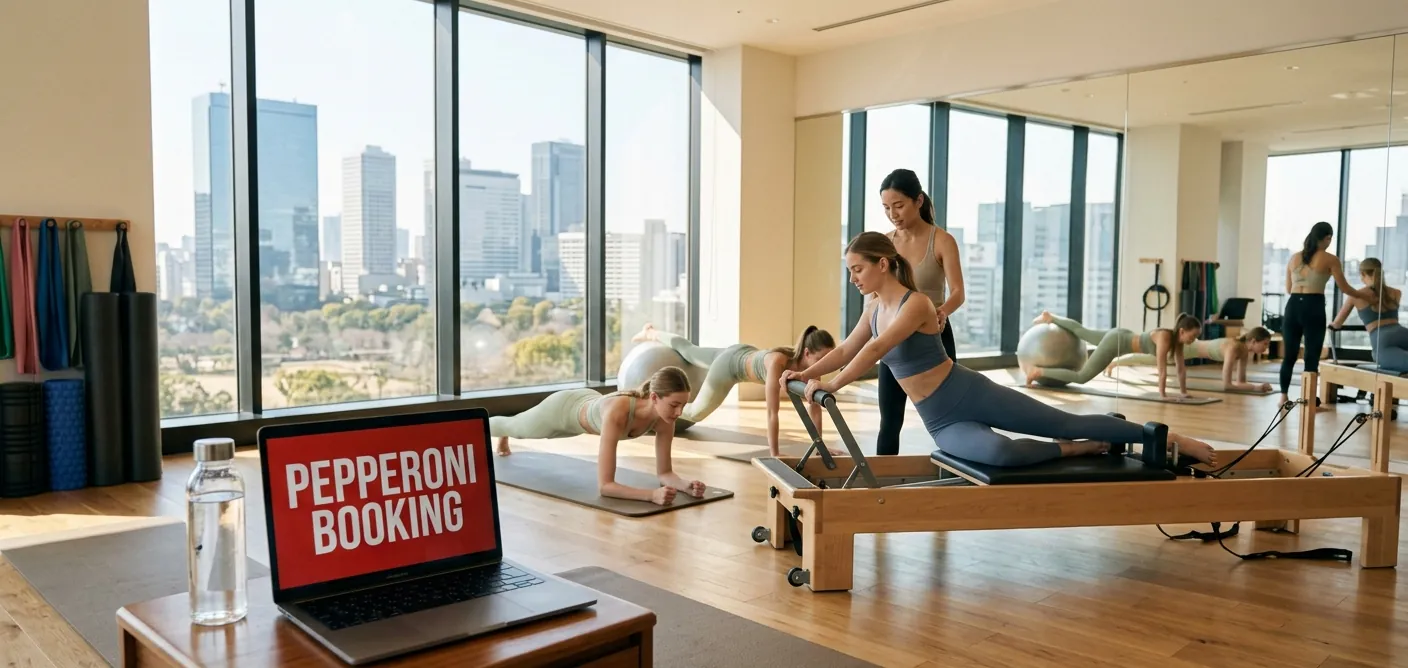
Managing a modern Pilates reformer studio requires balancing high equipment costs, limited room capacity, and elevated client expectations. As of 2026, clients expect the same control over their workout environment that they enjoy when choosing seats on an airline or at a concert hall.
In a boutique reformer environment, no two stations feel identical to a client. Variations in mirror angles, distance from the instructor, proximity to natural light, or space near the entryway heavily influence client comfort.
Spot-based scheduling removes uncertainty before the client steps through your front door. By enabling clients to choose their specific machine during online booking, studio owners eliminate pre-class anxiety and establish clear operational structure.
Clients prefer selecting their reformer spot in advance because spatial positioning directly affects their class experience, physical comfort, and ability to follow movement cues. Reserving a specific station eliminates the stress of rushing to class early just to claim a preferred location in the studio.
When clients know their machine is secured, their overall perception of your studio service quality improves significantly. This predictability fosters a relaxed atmosphere before instruction even begins.
Here are the primary reasons studio clients prefer picking their spot prior to class:
Providing exact station choices transforms your studio schedule from a generic reservation list into an interactive map. This elevated experience sets boutique reformer practices apart from high-volume fitness chains.
Daily operations in a busy studio often suffer from bottlenecks during class turnover windows. When ten to fifteen clients arrive simultaneously for back-to-back reformer sessions, unassigned seating creates unnecessary chaos.
Clients rush past reception to drop their belongings and stake claims on preferred equipment. Instructors are forced to manage seat disputes rather than preparing their teaching sequences or greeting newcomers.
Implementing dedicated Pilates scheduling software with visual equipment layouts solves these friction points before clients enter the building. Assigned seating turns chaotic class transitions into an orderly, professional flow.
Assigned seating eliminates lobby rush by guaranteeing every client their chosen reformer station regardless of when they check in. Because their machine is locked in at booking, clients arrive calm, check in smoothly at reception, and walk directly to their designated equipment.
Instructors also benefit from knowing exactly where each client will sit before class starts. By reviewing the visual grid on a mobile-optimized website, instructors can plan personalized modifications based on client profiles tied to specific machine numbers.
Operational friction points eliminated by spot assignment include:
To learn more about optimizing client flow, review our operational guide on how to streamline Pilates studio check-ins.
When equipment positions are clearly defined in your management system, your front desk team operates with greater confidence. They spend less time managing spatial logistics and more time building relationships with your community.
Structured seating also allows studios to maintain strict safety protocols around reformer clearance and spring bar adjustments. Instructors can pair newer clients with appropriate adjacent stations for closer monitoring throughout class.
Selecting the right management tool requires evaluating features designed specifically for reformer and equipment-based studios. Generic class scheduling platforms that only track overall headcount fail to deliver spatial control.
Your management system must offer customizable floor plan grids that accurately mirror your studio's physical layout. If your studio operates eight reformers in a horseshoe setup or twelve machines in two parallel rows, the digital interface must reflect that reality.
For additional insights on studio layout design, consult our resource on Pilates reformer capacity and equipment grid setup.
A seamless spot-booking setup requires real-time visual floor plan rendering, automatic waitlist spot filling, responsive cross-device performance, and integrated client profile management. The software must display available, reserved, and locked spots instantly to prevent double-bookings across simultaneous user sessions.
Clients should experience an intuitive graphic interface on their mobile browser where tapping an open reformer reserves that exact machine for the session duration.
Look for the following technical criteria when selecting your booking software:
Having an adaptable grid infrastructure allows studio owners to adjust floor plans dynamically when adding new equipment or reconfiguring rooms for special workshops.
Reliable cloud infrastructure guarantees that peak booking windows—such as Sunday evening schedule releases—run smoothly without slow load times or reservation errors.
Studio equipment represents a significant capital investment. Commercial reformers, towers, and jumpboards experience wear and tear proportional to their frequency of use.
Without spot assignment software, clients naturally gravitate toward reformers positioned nearest to the entrance or directly in front of the main mirror. Over several months, machines 1 through 3 may endure double the usage of machines 7 through 10.
Uneven usage leads to premature spring fatigue, worn carriage upholstery, and uneven track friction across your fleet. Tracking spot utilization data gives studio owners actionable insights to protect hardware assets.
Spot utilization data protects equipment investment by revealing exact usage metrics per machine. By analyzing booking heatmaps, studio owners can systematically rotate reformers within the room layout or swap springs and carriages to balance wear evenly across all units.
Balanced equipment usage extends the operational lifespan of your hardware, reduces emergency maintenance expenses, and maintains a consistent resistance feel across all machines for your clients.
Leveraging spot analytics provides strategic financial advantages:
For deeper financial frameworks regarding studio assets, explore our guide on Pilates reformer pricing and profit hacks for studio owners.
Tracking machine utilization also aids in room design decisions. If analytics reveal that clients consistently avoid a specific spot due to poor lighting or cramped wall clearance, management can adjust the studio layout to improve the experience.
Protecting your equipment asset base ensures consistent class quality while safeguarding your bottom-line profitability year after year.
Transitioning an established Pilates studio from open seating to assigned spot selection requires a clear change management plan. While clients ultimately love spot choice, any operational shift can cause temporary friction if communicated poorly.
A phased rollout allows staff and clients to adapt to the new digital floor plan smoothly. Following a structured roadmap minimizes confusion and builds excitement around your upgraded studio technology.
A studio owner should prepare clients by communicating the shift at least 30 days in advance through automated email updates, clear front-desk signage, and instructor announcements. Frame the change as a premium service upgrade that eliminates pre-class waiting and guarantees their preferred machine.
Providing video walk-throughs or visual graphics showing how to select a spot on your mobile booking page ensures clients feel confident before the new system goes live.
Follow this step-by-step implementation roadmap for a seamless launch:
For step-by-step advice on system transitions, refer to our comprehensive walkthrough on how to switch Pilates studio software seamlessly.
During the initial weeks of activation, keep physical floor plan diagrams visible at reception. Front-desk staff can quickly help clients identify their assigned machine number as they check in.
Once clients experience the ease of walking directly to their reserved reformer without competing for space, positive feedback will validate the operational transition.
Long-term studio profitability depends on maintaining high client retention rates. When clients feel comfortable, respected, and in control of their workout environment, their loyalty to your studio deepens.
Spot-based booking software addresses emotional and psychological barriers to class attendance. Beginner clients who feel intimidated by group reformer classes can select discreet spots near the back, allowing them to build confidence at their own pace.
Conversely, advanced practitioners can lock in central spots where they receive direct instructor feedback. Tailoring the studio environment to individual comfort levels encourages consistent attendance patterns.
Removing small daily annoyances—like losing a favorite spot because of traffic delays—protects the emotional connection clients feel toward your studio space.
As of 2026, boutique fitness clients value seamless digital infrastructure just as much as exceptional instruction. Investing in spot-selection technology signals that your business respects client time and prioritizes their personal comfort.
By integrating visual spot selection into your daily workflows, you protect equipment investments, streamline staff operations, and create an inviting atmosphere that keeps your reformer studio full month after month.
Your schedule, running itself. Try Pepperoni Booking free.
21-day free trial · No credit card required
How It Works
Founder, Studio Owner & Engineer
Common questions about this topic
Have more questions? Contact our team
A few short welcome emails, then roughly one email a month on bookings, keeping clients and running a calmer studio. Occasional product news.
We're working directly with the first 100 Founding Studios — boutique studios shaping what we ship next. If that fits your studio, the trial is open.
Intuitive class scheduling that saves hours every week
Real-time availability updates across all your classes
Seamless booking experience your clients will love
No credit card required • 21-day free trial
A few short welcome emails, then roughly one practical email a month on reducing booking chaos and keeping clients. Occasional product news.