2026年7月31日
2 分
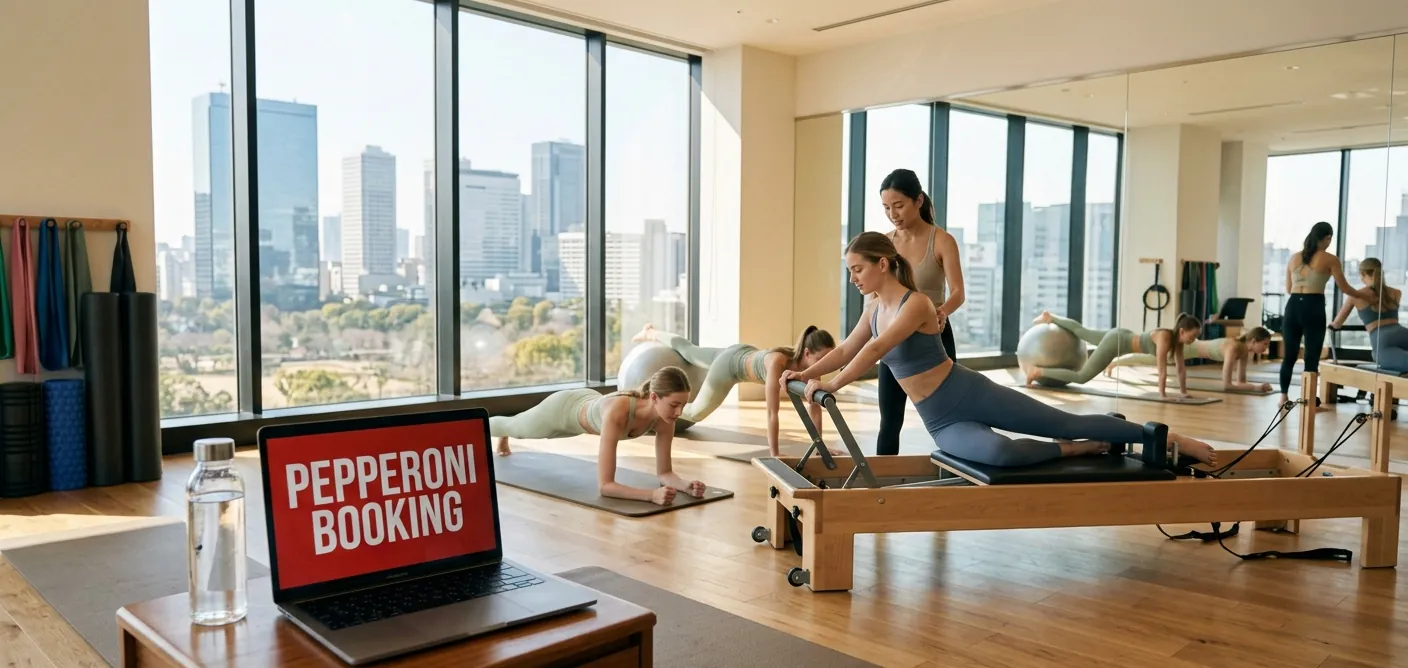
ピラティスのデュエットとトリオは、2026年においてスタジオで最も収益性の高いクラス形式の一つです。これらのセミプライベートセッションは、プライベートトレーニングの密接さと、グループクラスの収益性を兼ね備えています。例えば、1人あたり60ドルで週に10回のデュエットセッションを行うスタジオでは、クラスの定員やインストラクターの労働時間を増やすことなく、月間12,000ドルの収益を上げることができます。鍵となるのは、利用しやすさと収益性のバランスを取る戦略的な価格設定です。
従来のグループクラスとは異なり、デュエットやトリオではインストラクターの時間を最適化しながら、一人ひとりに合わせた丁寧な指導が可能です。ピラティス予約システムであるPepperoni Booking(ペパロニブッキング)を導入しているスタジオでは、グループクラスと比較して、セミプライベートセッションの1平方フィートあたりの収益が30%高いことが報告されています。また、この形式は、より個別的な指導を求めつつも、プライベートセッションの費用を抑えたいクライアントにとっても魅力的です。業界の調査によると、2026年現在、ブティック型ピラティススタジオの68%が少なくとも1つのセミプライベートの選択肢を提供しています。
スタジオオーナーにとっての課題は、これらのセッションに適切な価格を設定することです。料金が高すぎるとクライアントが離れてしまうリスクがあり、安すぎると獲得できたはずの利益を逃すことになります。本ガイドでは、収益とクライアント満足度の双方を最大化する、データに基づいたデュエットとトリオの価格設定フレームワークを紹介します。
価格を設定する前に、デュエットやトリオの提供にかかる真のコストを把握する必要があります。グループクラスとは異なり、セミプライベートセッションではより正確なコスト配分が求められます。具体的な内訳は以下の通りです。
インストラクターへの支払いは、セミプライベートセッションにおける最大の変動費です。多くのスタジオでは、収益の一定割合(通常40〜60%)またはセッションごとの固定給をインストラクターに支払っています。例えば、以下のようなモデルがあります。
クラスの時間や使用するスペースに応じて、間接費を比例配分します。主な間接費には以下が含まれます。
月間の間接費が5,000ドルで広さが500平方フィートのスタジオの場合、100平方フィートを使用する50分間のデュエットセッション(週20セッションを想定)は、月あたり100ドルの間接費を占めることになります。
セミプライベートセッションでは、ReformerやCadillacタワーなどの専用マシンが必要になることがよくあります。マシンの年間減価償却費を、そのマシンを使用するセッション数で割ることで、1セッションあたりのコストを計算します。例えば、以下のように計算します。
セミプライベートセッションの運営事務タスクには以下が含まれます。
月間に200回のセミプライベートセッションを処理し、決済手数料が3%の場合、スタジオは決済手数料だけで180ドルのコストが発生します。
セミプライベートセッションの価格設定には、市場の需要、クライアントの期待値、そしてスタジオの収益性のバランスを取る必要があります。料金設定の具体的なステップは以下の通りです。
まずは、お住まいの地域の競合スタジオにおけるデュエットやトリオの価格を分析しましょう。このデータを基に、独自の強みを活かした競争力のあるポジショニングを行います。例えば、以下のような相場があります。
財務目標から逆算して、1セッションあたりの目標収益を算出します。例えば、以下のように計算します。
基本価格を設定するには、以下の数式を使用します。
基本価格 = (目標収益 + 間接費 + インストラクター報酬 + 運営コスト) / 1セッションあたりのクライアント数
間接費20ドル、インストラクター報酬30ドル、運営コスト5ドルのデュエットセッションの場合、クライアント1人あたりの最低価格は以下のようになります。
(55ドル + 20ドル + 30ドル + 5ドル) / 2 = 1人あたり55ドル
価格に対する感度はクライアントのセグメントによって異なります。以下の戦略を活用して価格を最適化しましょう。
まずは試験的に価格を設定し、クライアントのフィードバックを収集します。以下の主要指標を追跡しましょう。
これらのデータを基に、3〜6か月ごとに価格を調整します。例えば、デュエットセッションの予約枠が公開から数時間で常に埋まる場合は、料金を5〜10%引き上げることを検討してください。逆に、予約が埋まりにくい場合は、割引やプロモーションオファーを試験的に導入してみましょう。
料金パッケージ(回数券やプラン)を用意することで、クライアントの継続的な利用を促し、スタジオの収益を安定させることができます。セミプライベートセッションに効果的なパッケージ構成は以下の通りです。
まとめて事前購入することで、1回あたりの料金がお得になる回数券形式です。一般的なセッション数は以下の通りです。
料金例:
メンバーシップは予測可能な継続収入をもたらし、長期的なクライアントの維持に貢献します。異なるアクセス権を設定した段階的なプランを用意しましょう。
料金例:
オプションサービスを提案(アップセル)することで、クライアント1人あたりのセッション単価を向上させます。人気のオプションには以下があります。
地元の企業と提携して、法人割引を提供します。例えば、以下のような取り組みがあります。
どんなに優れた価格設定であっても、効果的なマーケティングがなければ成功しません。以下の施策を実行して、セミプライベートセッションの予約を埋めていきましょう。
セミプライベートセッションのメリットをクライアントに伝えます。
デュエットやトリオを利用して効果を実感しているクライアントの事例や体験談を紹介します。ビフォーアフターの写真や動画などを活用して、信頼性を高めましょう。
ホームページや予約プラットフォームで、クライアントがセミプライベートセッションを簡単に見つけて予約できるように設計します。
新規クライアントの獲得や休眠クライアントの再活性化を促すキャンペーンを実施します。
相乗効果が見込める地域の事業者と協力し、相互プロモーションを実施します。
テクノロジーを導入することで、価格の最適化、業務の効率化、収益の最大化を同時に実現できます。セミプライベートセッションにおいて、ピラティス管理システムなどのツールを活用する方法は以下の通りです。
ベースとなる需要に基づいて料金を自動調整するダイナミックプライシング機能を備えたシステムを活用します。例えば、以下のような対応が可能です。
自動キャンセル待ち機能を活用して、需要を確実にキャッチします。予約が満杯になった場合、クライアントはキャンセル待ちに登録でき、空きが出ると自動的に通知が届きます。これにより、スタジオの稼働率を最大限に高め、空き枠による機会損失を防ぐことができます。
行動履歴や好みに応じてクライアントを分類し、それぞれに適した価格提案やアプローチを行います。
分析ツールを用いて重要な指標を追跡し、価格設定を磨き上げます。
自動リマインダーと事前決済を活用することで、無断キャンセルを減らし、事務作業の手間を大幅に削減できます。
経験豊富なスタジオオーナーであっても、収益性を損なう価格設定の罠に陥ることがあります。よくある代表的なミスと、その回避方法は以下の通りです。
クライアントが離れることを恐れるあまり、デュエットやトリオの価格を低く設定しすぎてしまうケースが目立ちます。これは、提供している細やかな指導や専門知識の価値を過小評価することに繋がります。以下の対策を実行しましょう。
インストラクター報酬は大きな支出項目ですが、価格設定のシミュレーションにおいて軽視されがちです。以下の対策を徹底しましょう。
複雑すぎる価格体系はクライアントを困惑させ、予約への心理的ハードルとなってしまいます。極力シンプルに設計しましょう。
価格設定は一度決めたら終わりではありません。定期的な見直しや改定を行わないスタジオは、得られたはずの利益を逃すことになります。常に一歩リードするために、以下を習慣化しましょう。
新規のクライアントを獲得するコストは、既存のクライアントに継続してもらうコストよりも高くなります。リピート利用を促すために、以下の方法を実践しましょう。
ピラティスのデュエットとトリオで効果的な価格を設定するには、データに基づく論理的な意思決定と、クライアントに寄り添うアプローチをバランスよく組み合わせることが重要です。スタジオ運営のコストを正しく把握し、地域の相場を調査した上で、テクノロジーを積極的に活用することで、クライアントに高い価値を提供しながら収益を最大化する価格モデルを構築できます。定期的にテストを行い、スタジオの成長に合わせて柔軟に価格を見直していきましょう。
セミプライベートセッションは、スタジオの収益性とクライアントの満足度を向上させるための非常に強力なアプローチです。適切な価格設定を行うことで、満席のクラスを増やし、信頼できるクライアントベースを確立し、2026年以降の持続可能な成長を実現してください。
スプレッドシートなしで、クラスの満席管理も決済の記録もスマートに。
21日間の無料トライアル · クレジットカード不要

Founder, Studio Owner & Engineer
このトピックに関するよくある質問
さらに質問がありますか? チームにお問い合わせください
より落ち着いた、より整理されたスタジオ運営を学ぶオーナーたちに参加しましょう。

Daishin Murooka
Daishin Murooka

Daishin Murooka
私たちは最初の100の Founding Studios と直接協力して、次なる機能を形作っています。あなたのスタジオがこれにフィットするなら、トライアルが利用可能です。
予約とスケジュールの自動化で、毎週の業務時間を大幅に削減
スタジオオーナーのために設計されたスマートなクラス管理ツール
成長を可視化し、運営を最適化するリアルタイム分析
クレジットカード不要 • 21日間の無料トライアル
予約の混乱を減らし、クライアントを維持し、ストレスなく成長するための実践的なヒント。